
Last updated September 22, 2026
Level 1 sweep and inspection to the NFPA 211 annual standard - flue, crown, cap, and flashing checked and photographed
Chimney sweep logs do not sweep chimneys. They loosen some creosote - which then falls where a brush and vacuum still have to collect it.
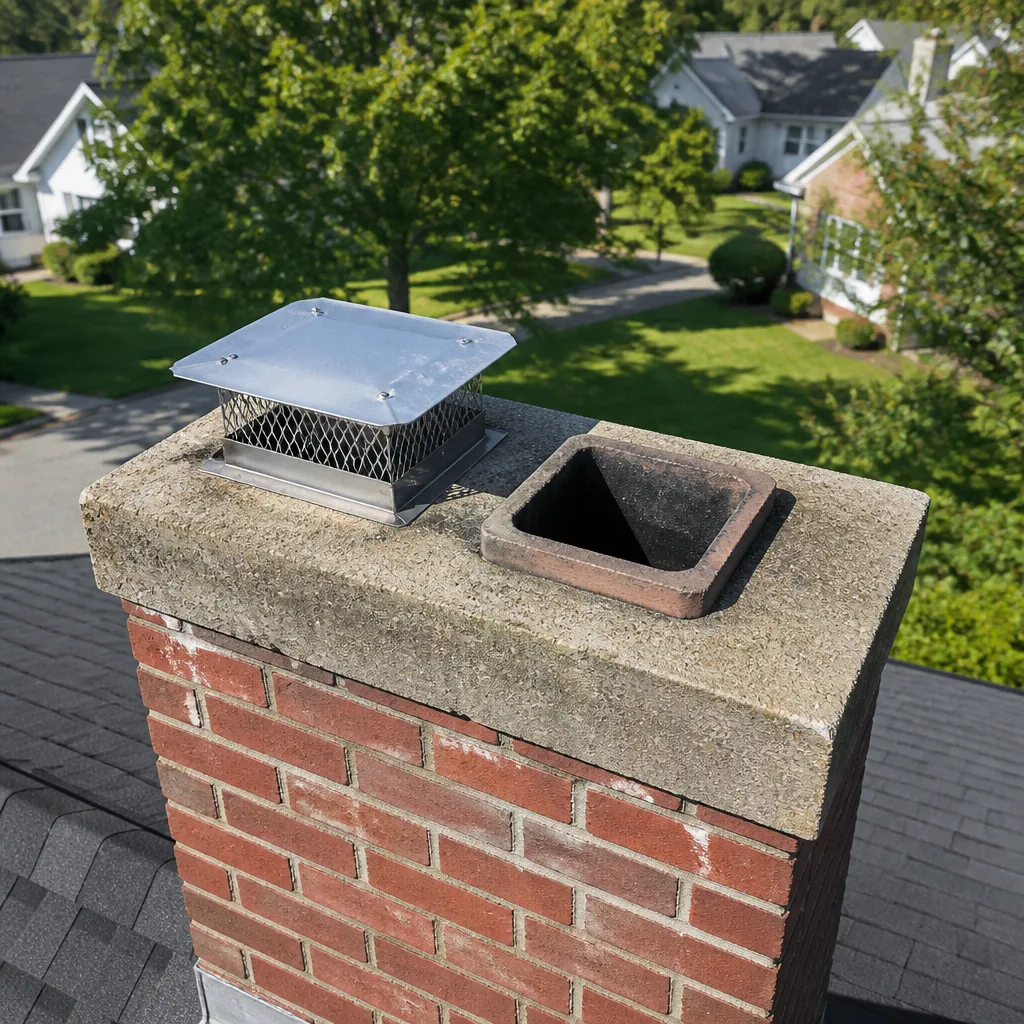
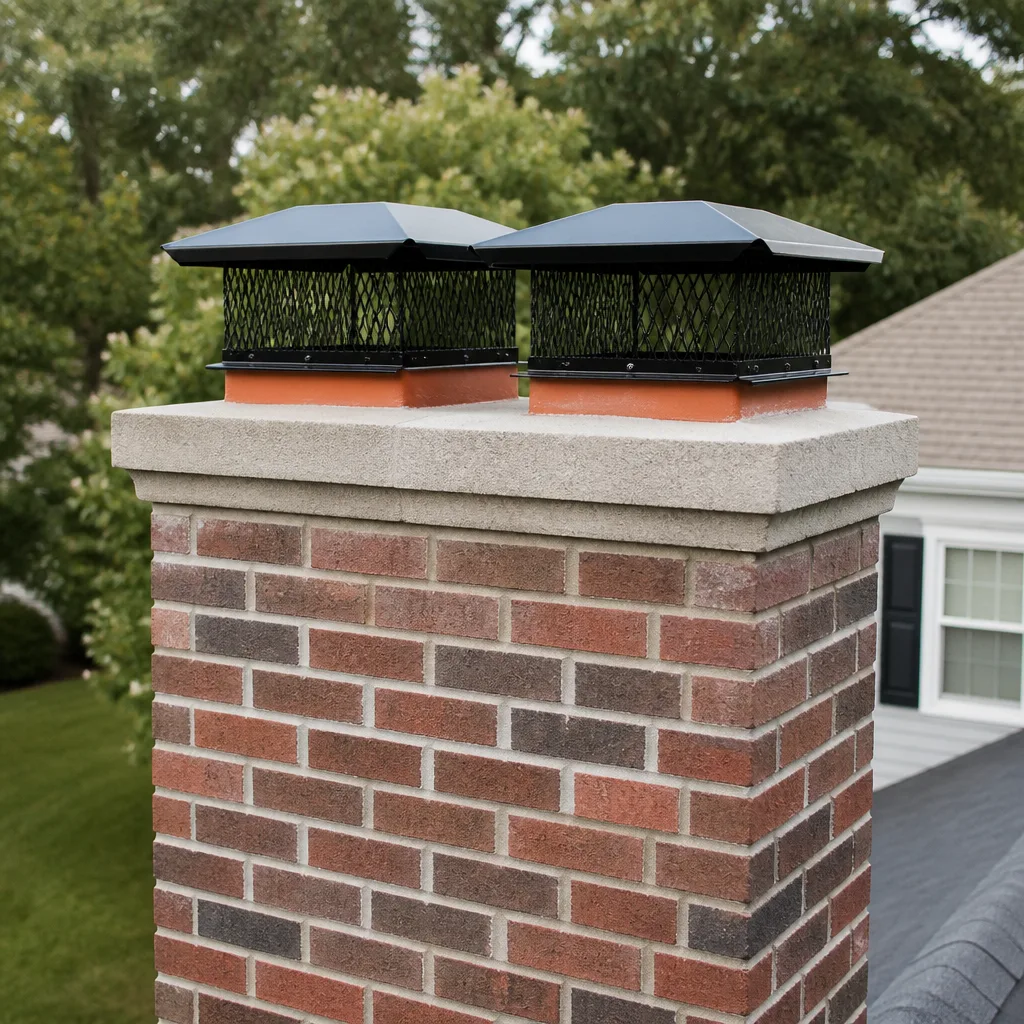
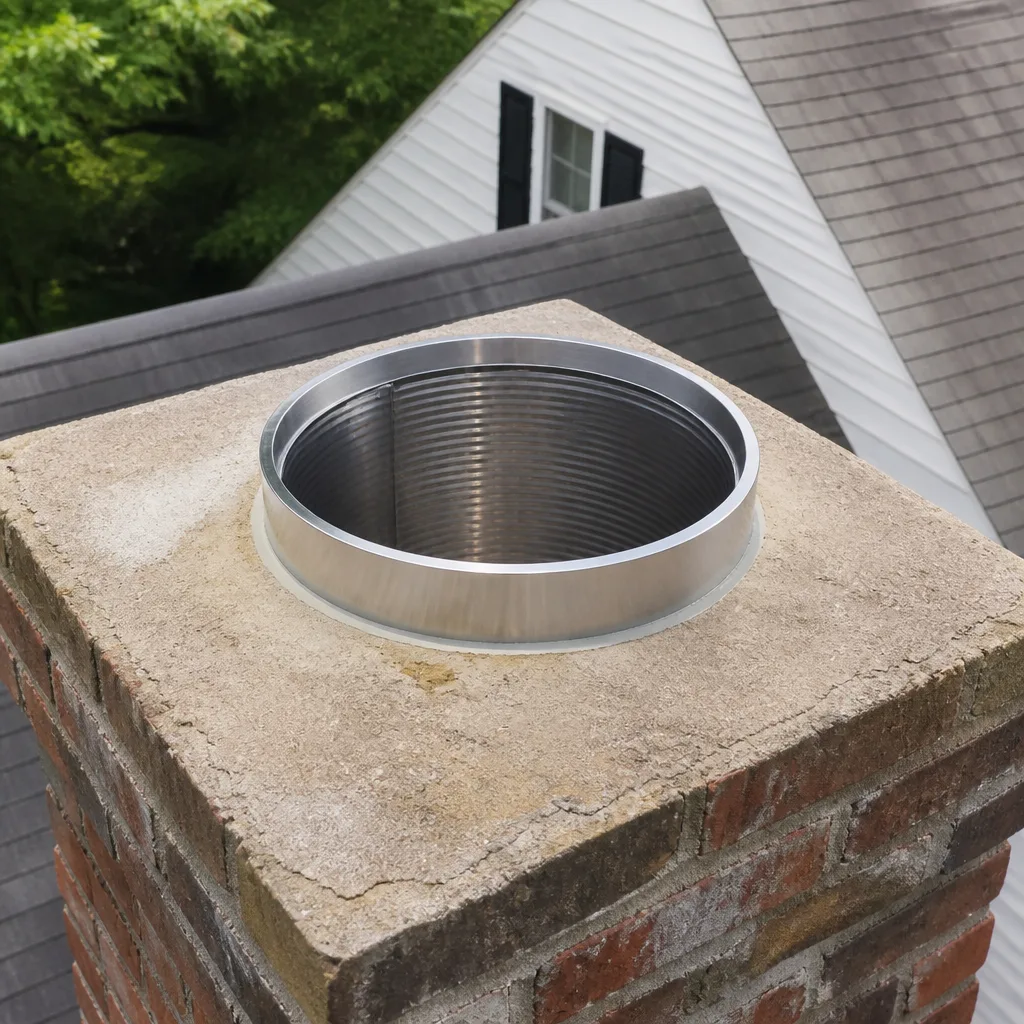
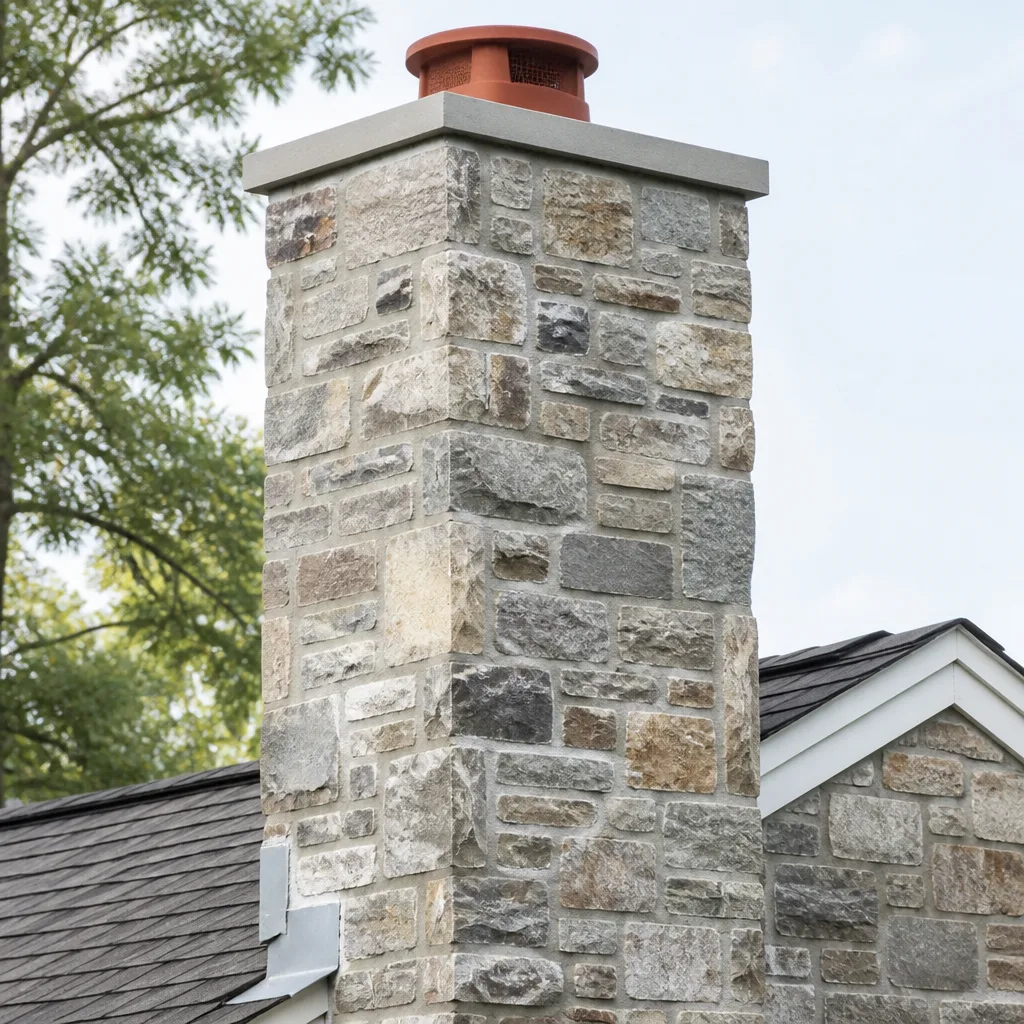
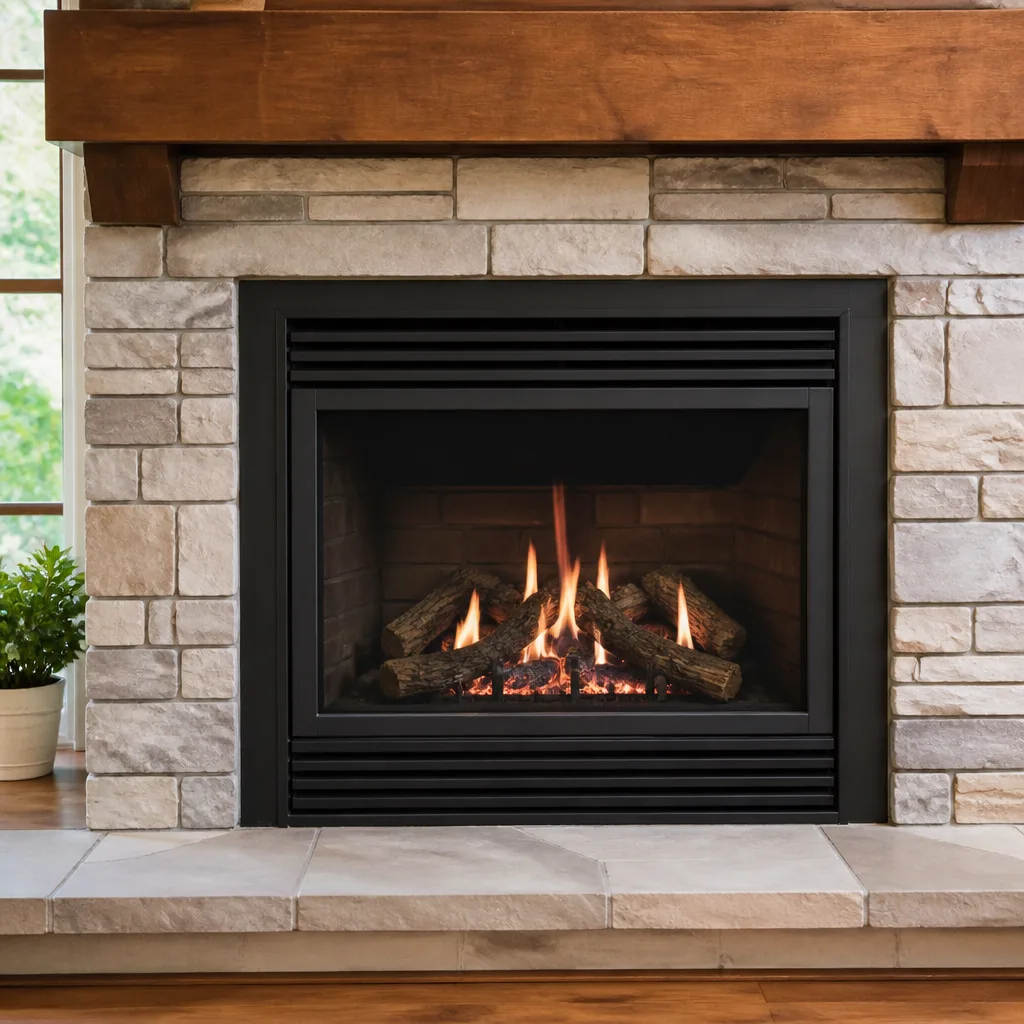
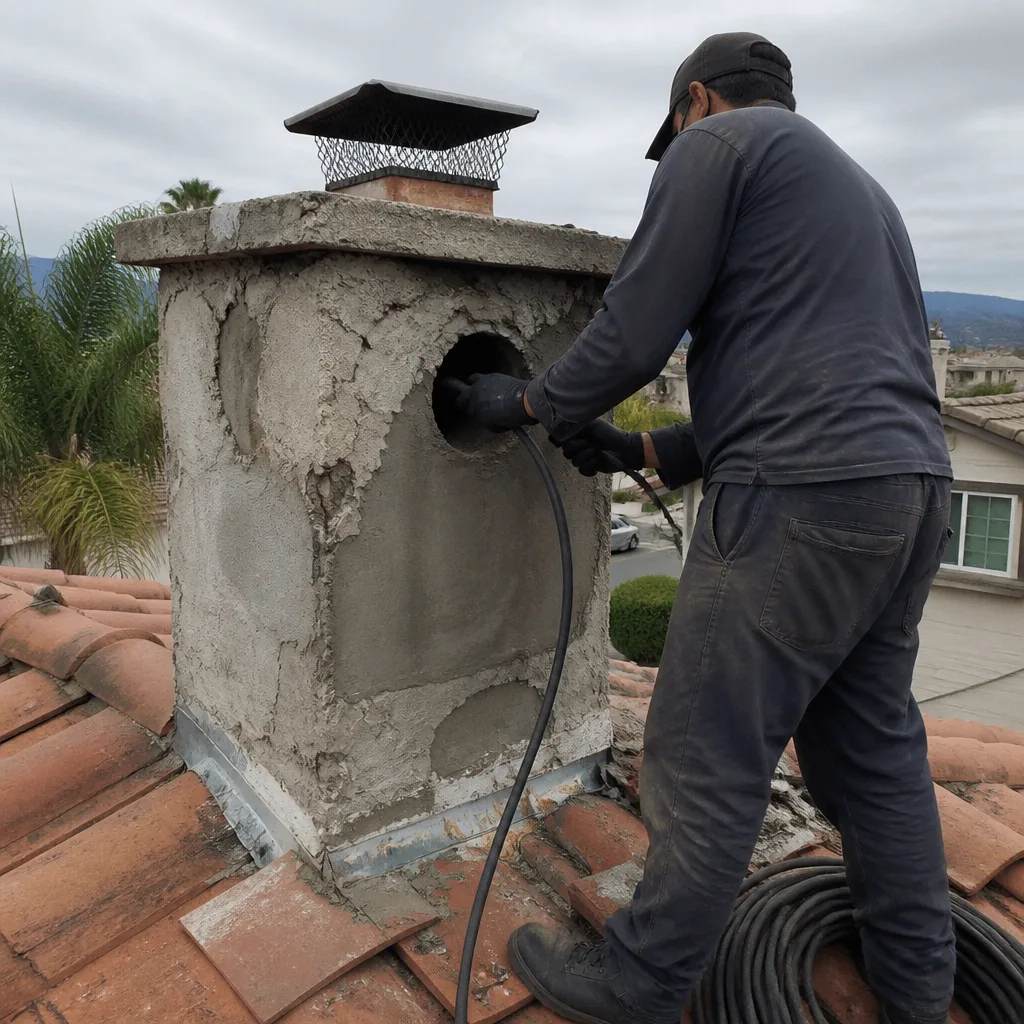 Before
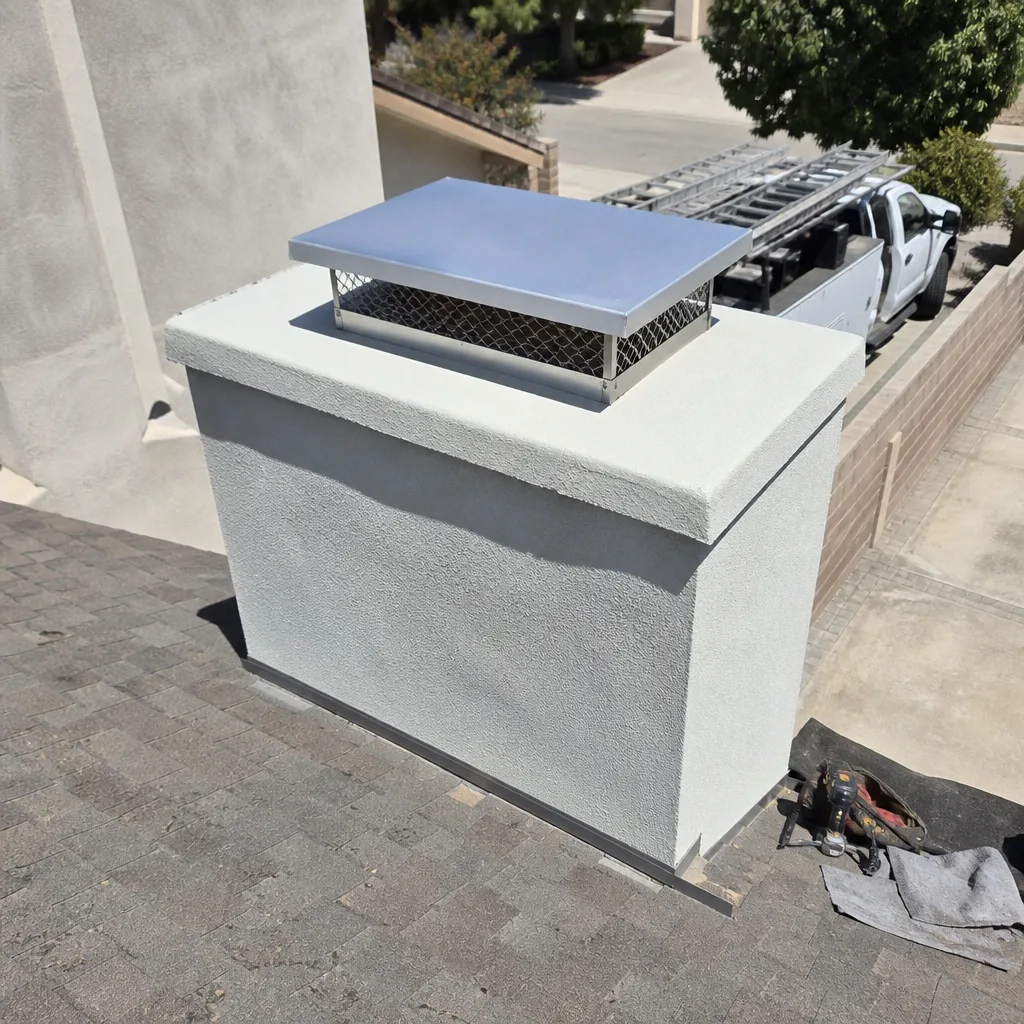 After
After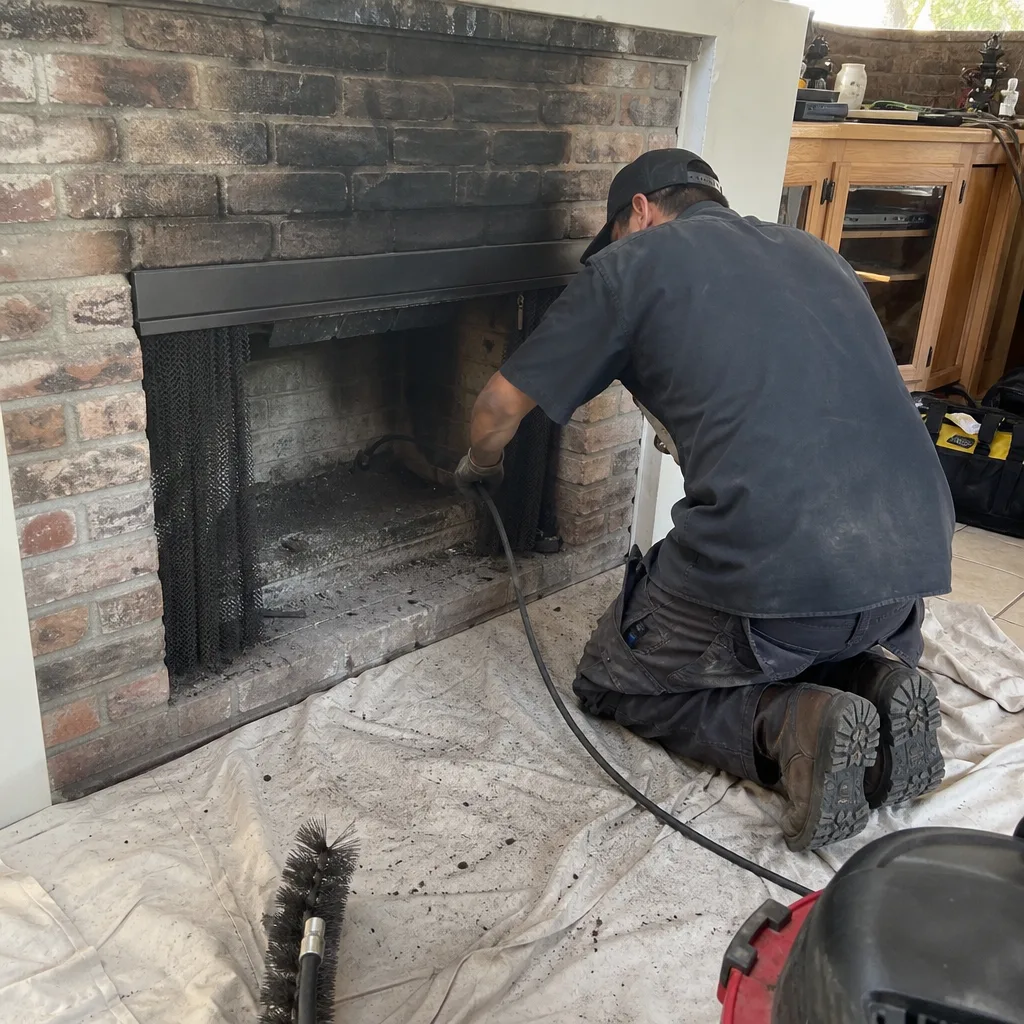 Before
 After
After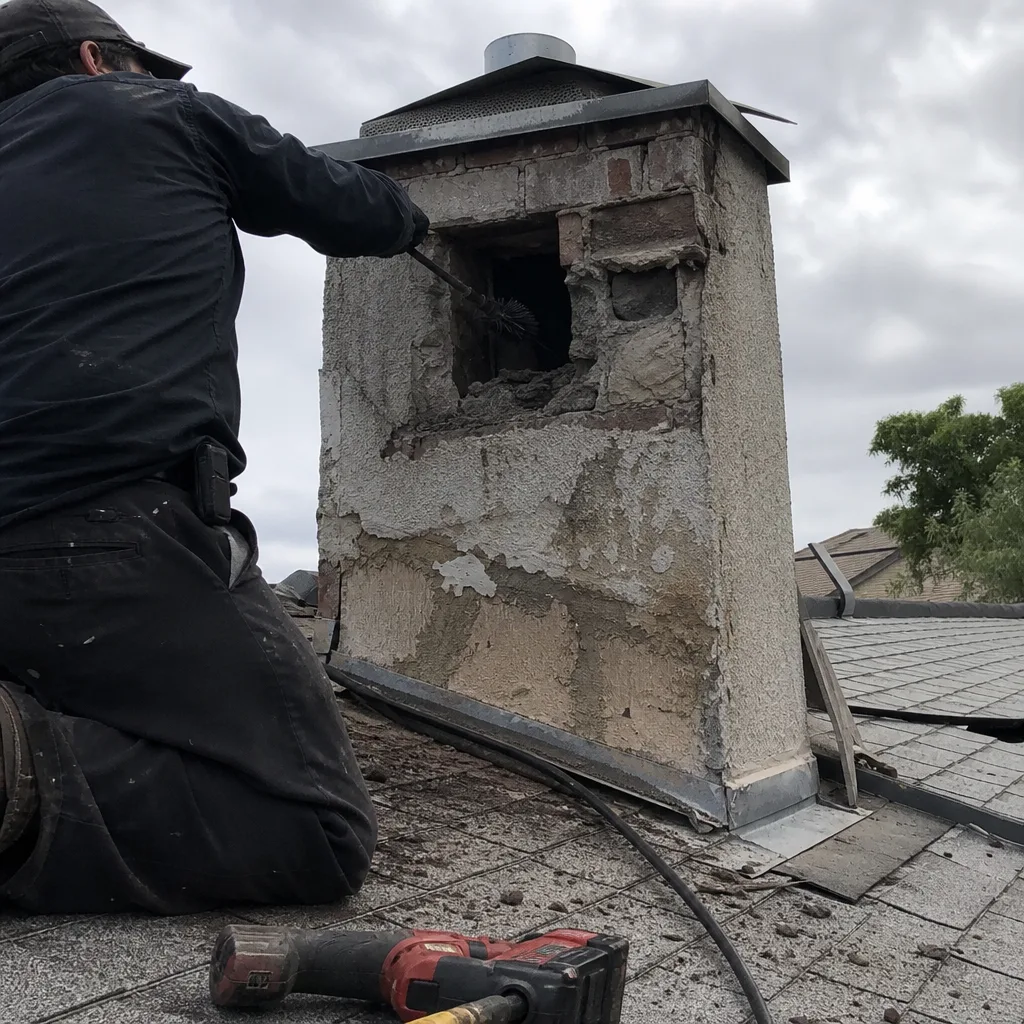 Before
 After
AfterThe Complete Guide to Chimney Cleaning in Rancho Cucamonga
Most chimney fires in Southern California are reported in October and November - the first two months people use a fireplace they haven’t touched since winter ended. That means the cleaning that should have happened in September is already overdue when the damage occurs. In Rancho Cucamonga, where daytime temperatures swing from 95°F in August to 45°F in January, those heat cycles create a creosote problem coastal California homeowners rarely face. This guide maps every step of a proper chimney cleaning, from the moment you book to the documented record you should receive, so you know exactly what you’re paying for and what you’re entitled to see afterward. For more guides & resources, visit our blog.
Quick Answer
A proper chimney cleaning in Rancho Cucamonga costs between $175 and $325 for a standard sweep with Level 1 inspection, or $275 to $450 when a Level 2 camera scan is included. The service should always produce a written scope, a documented photo record, and a written price before any work begins - verbal “all clear” statements carry no weight with insurers or home buyers. See our step-by-step guide on hiring a chimney cleaning contractor in Rancho Cucamonga for what to verify before booking. Rancho Cucamonga’s extreme inland heat cycles, combined with occasional Santa Ana wind events, accelerate flue liner deterioration and creosote buildup differently than coastal climates, making camera documentation especially important for homes built between 1985 and 2005.
Table of Contents
- How Much Does Chimney Cleaning Cost in Rancho Cucamonga?
- What Actually Happens During a Chimney Cleaning
- Level 1 vs. Level 2 Inspection: Which One Do You Need?
- Why Rancho Cucamonga’s Climate Changes Everything
- How to Read Your Chimney Cleaning Invoice Line by Line
- Four Conditions That Stop a Cleaning and Convert to Repair
- What Your Service Record Must Contain
- How Often Should You Clean Your Chimney in Rancho Cucamonga?
BeforeAfterHow Much Does Chimney Cleaning Cost in Rancho Cucamonga?
Chimney cleaning prices in Rancho Cucamonga reflect three variables: the type of inspection included, the condition of the flue, and whether the technician can complete the work in one visit or must return with repair materials.
Here’s what you should expect to see on a written estimate:
| Service | Price Range | What’s Included |
|---|---|---|
| Standard sweep with Level 1 inspection | $175 - $325 | Brush cleaning of flue, visual inspection of accessible components, basic debris removal |
| Level 2 camera-scan sweep | $275 - $450 | Full sweep plus internal camera inspection of flue liner, smoke chamber, and firebox, with photo documentation |
| Class III creosote removal (glazed) | $400 - $700 | Chemical treatment and mechanical removal of hardened creosote deposits, requires return visit |
| Fireplace insert or wood stove sweep | $225 - $375 | Disconnection, sweep, and reconnection of appliance, gasket inspection |
| Chase cover or cap debris clearing | $75 - $150 | Removal of nests, leaves, or blockages; often added to sweep |
Prices at the higher end of these ranges typically apply to homes in the Foothill Corridor or north of 19th Street, where steeper roof pitches and two-story construction add labor time. We’ve also seen higher rates in the Terra Vista and Victoria Arbors areas where zero-clearance fireplaces with complex venting require additional disassembly.
What should never happen: a technician arriving with no written price, performing work, then presenting a bill. Clause 1 of the Haven Standard requires a written price, written scope, and written warranty before anyone starts - not after the tech is already in your home. If you receive a verbal quote over the phone, that is an estimate, not a binding price. The binding price arrives in writing after the technician has assessed what they can see from the roof and hearth.
We offer free second opinions on any competitor’s written estimate. Bring us their scope and price, and we’ll tell you whether the work described matches the condition we find.
What Actually Happens During a Chimney Cleaning
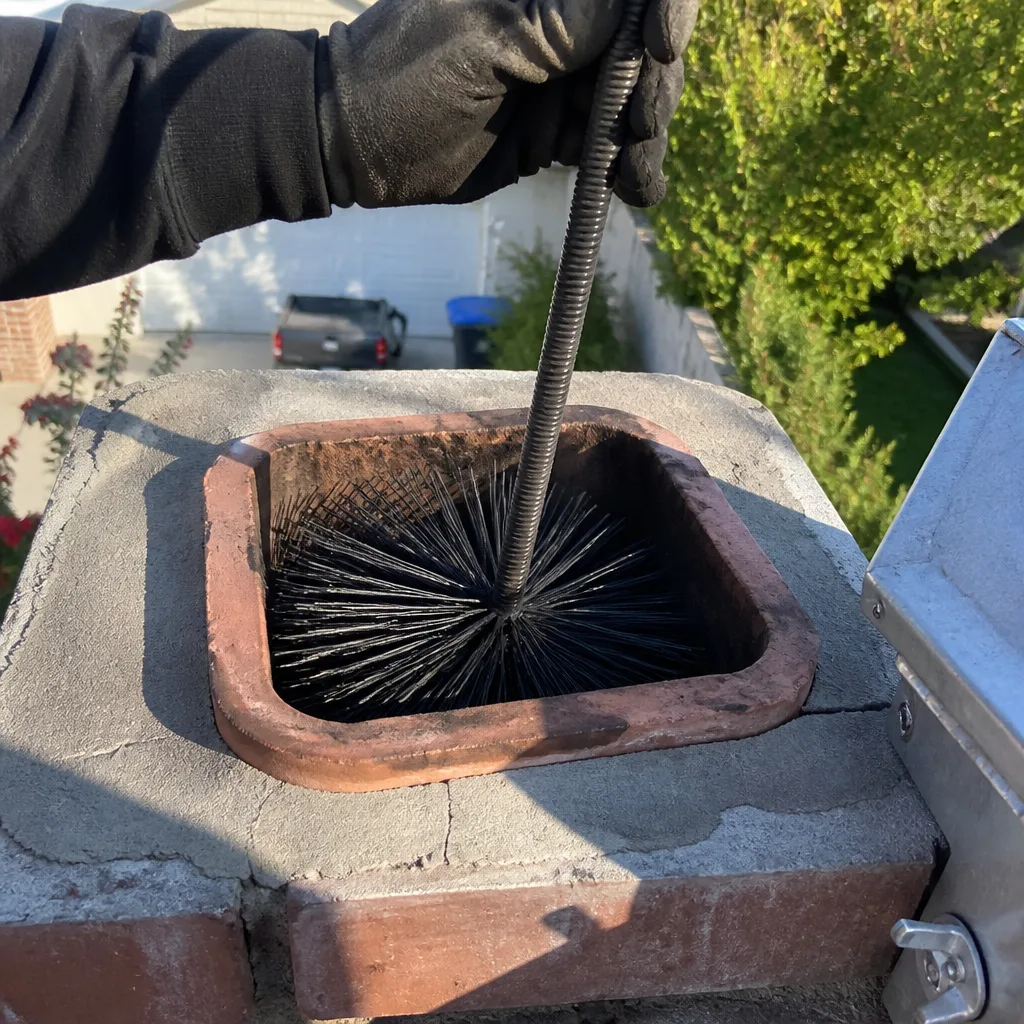
A proper chimney cleaning follows a sequence. Skipping steps or performing them out of order creates blind spots that later become expensive surprises.
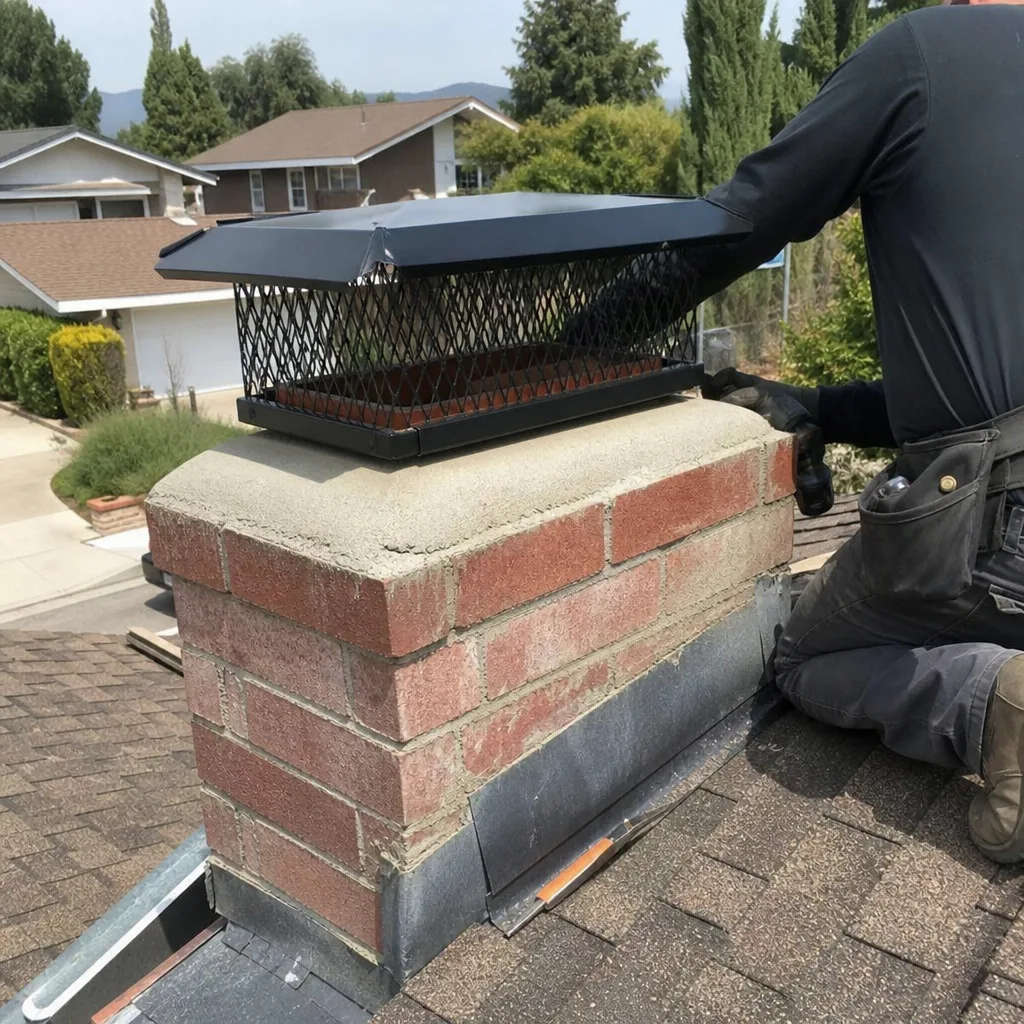
- Pre-work documentation. The technician photographs the exterior crown, cap, and visible flue opening before touching anything. This establishes a baseline. In Rancho Cucamonga, we pay particular attention to crown cracks caused by thermal expansion - the daily 30°F+ temperature swings between summer afternoons and evenings stress masonry differently than in coastal zones.
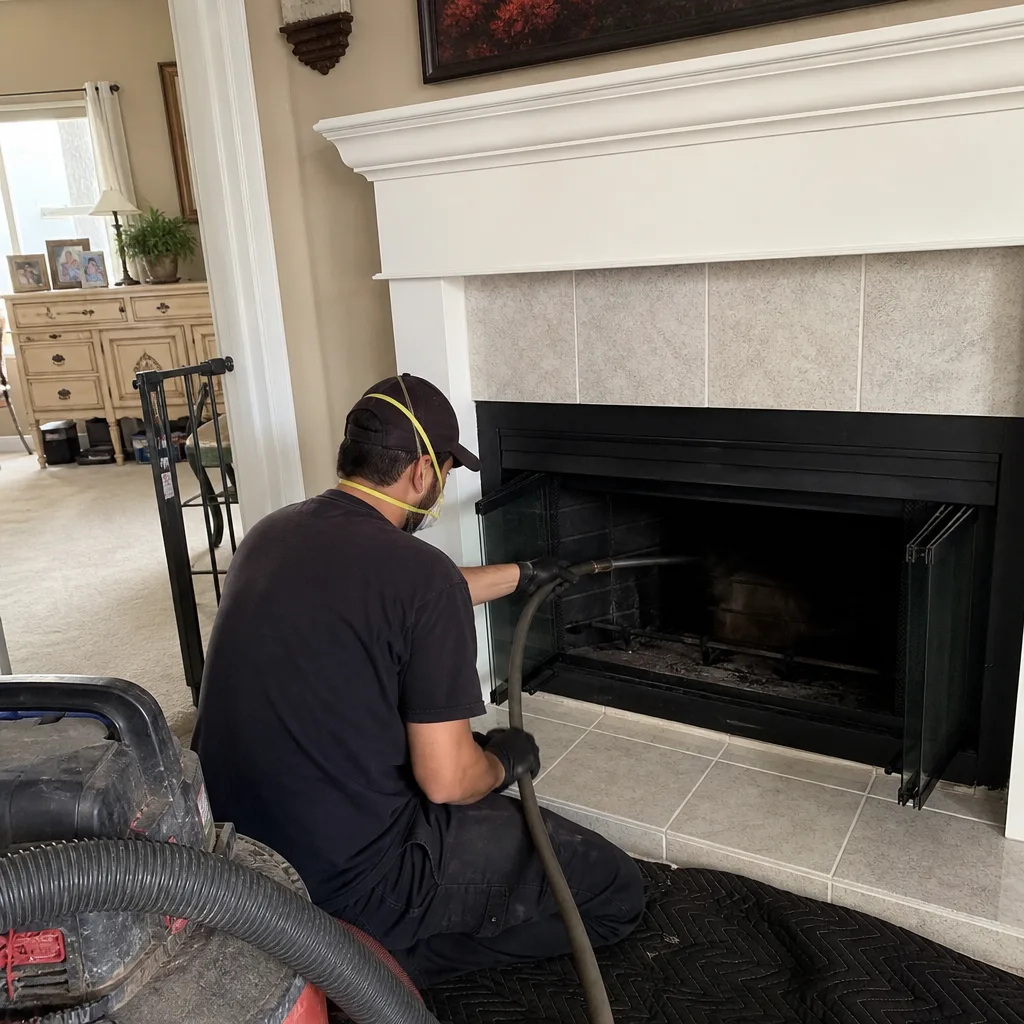
- Interior setup. Drop cloths protect flooring. A HEPA vacuum runs continuously to capture soot and creosote particles. The technician inspects the firebox for damaged bricks, deteriorated mortar, or rusted damper hardware.
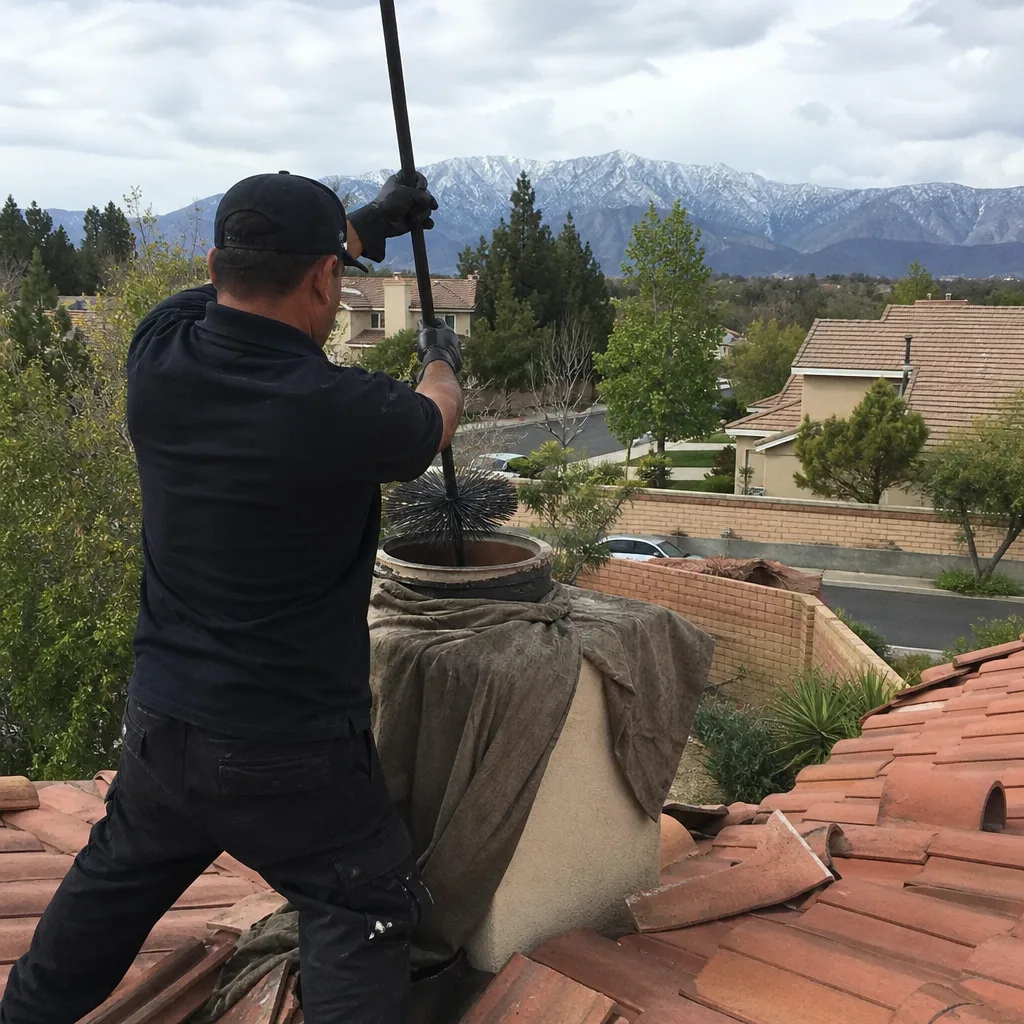
- Flue brushing. Poly or wire brushes sized to the flue diameter are run from top to bottom (or bottom to top, depending on access). The brush dislodges soot, creosote, and debris. In our experience, Rancho Cucamonga homes with gas log sets converted from wood-burning often accumulate ceramic fiber fragments that require specialized extraction - standard brushes alone won’t remove them.
- Smoke chamber and firebox cleaning. The area above the damper and below the flue opening, called the smoke chamber, is hand-scraped. This is where many sweeps stop. We don’t. Clause 4 of the Haven Standard requires photo documentation of this area because it’s where many chimney fires originate.
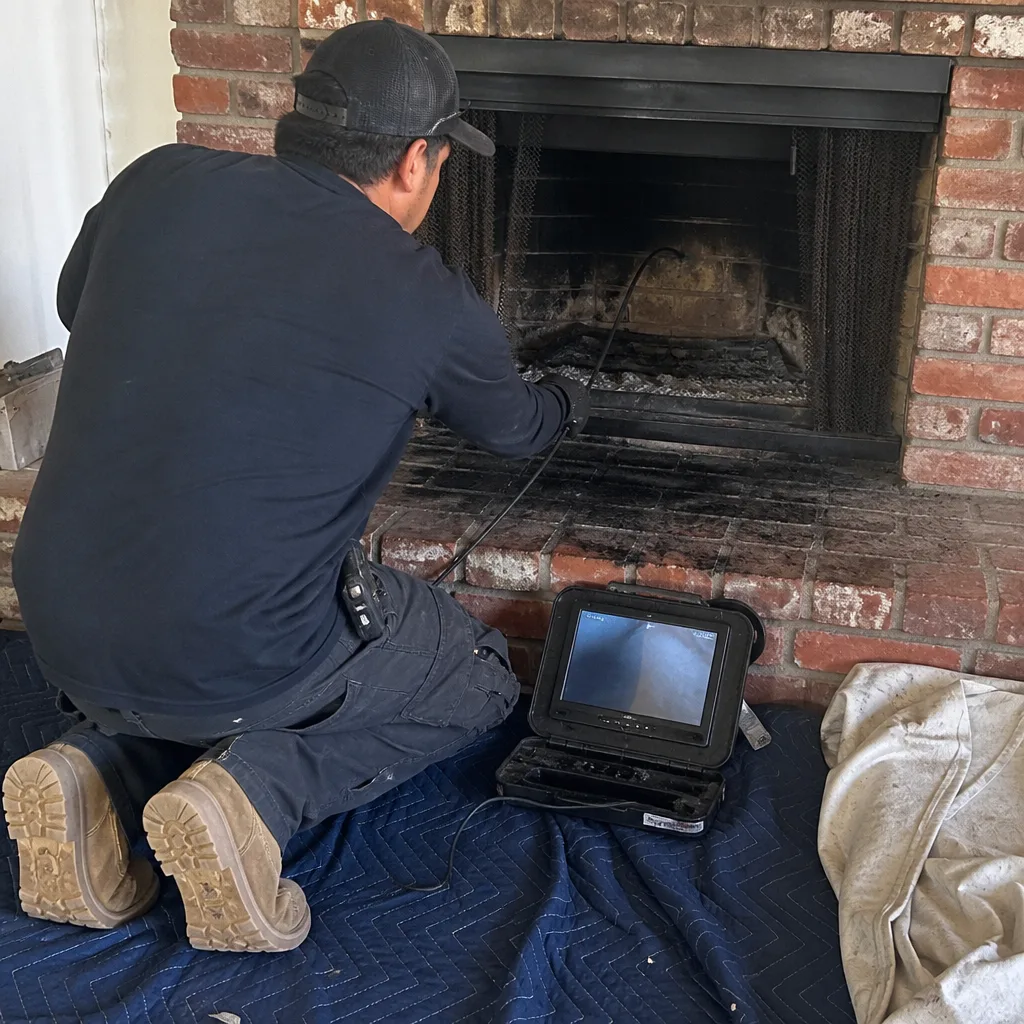
- Camera inspection (Level 2). A high-resolution camera on a flexible rod travels the full length of the flue. The technician narrates findings in real time if you’re present, or records footage for later review. You receive still images of any defects: liner gaps, spalling tile, mortar joints washed out by condensation.
- Final documentation. Written scope of work performed, photo record, and written warranty delivered before the technician leaves. This is your enforceable record - not a verbal summary, not a text message.
The entire process takes 45 to 90 minutes for a standard sweep, 90 to 150 minutes with Level 2 documentation. If your appointment is scheduled for less time, you’re likely receiving a partial service.
Level 1 vs. Level 2 Inspection: Which One Do You Need?
The National Fire Protection Association (NFPA) defines three inspection levels in Standard 211. For Rancho Cucamonga homeowners, only two matter in practice.
Level 1 is a visual inspection of readily accessible portions of the chimney exterior, interior, and connecting appliances. No tools are used to open or remove components. A Level 1 is appropriate when:
- The chimney and appliance haven’t changed
- You’re continuing the same use as previous years
- No problems are known or suspected
Level 2 includes everything in Level 1 plus examination of internal surfaces and flue liners using video scanning or other means of inspection. It requires roof access and may require entry to attics or crawl spaces. A Level 2 is required when:
- The property is being sold or transferred
- The flue liner or appliance has changed
- There’s been a chimney fire, earthquake, or other event that may have caused damage
- You’re experiencing performance problems (smoke backup, odor, poor draft)
Here’s what most competitors won’t tell you: Rancho Cucamonga’s 2019 adoption of updated California Residential Code provisions for fireplace clearances means many homes built between 1985 and 2005 now require Level 2 documentation to verify compliance during real estate transactions. Our DIY vs Professional Chimney Cleaning guide explains why self-inspections fail this requirement. A Level 1 inspection cannot verify internal clearances. If you’re selling in neighborhoods like Alta Loma, Etiwanda, or the newer developments south of Baseline Road, your buyer’s inspector will likely flag this.
We’ve performed Level 2 inspections in Rancho Cucamonga since 2009, and our photo archive - Clause 4 of the Haven Standard - contains more than 38,000 documented flue records. That archive has been referenced in insurance claims, real estate disputes, and code compliance hearings. A verbal “all clear” from a sweep who never ran a camera provides none of that protection.
Why Rancho Cucamonga’s Climate Changes Everything
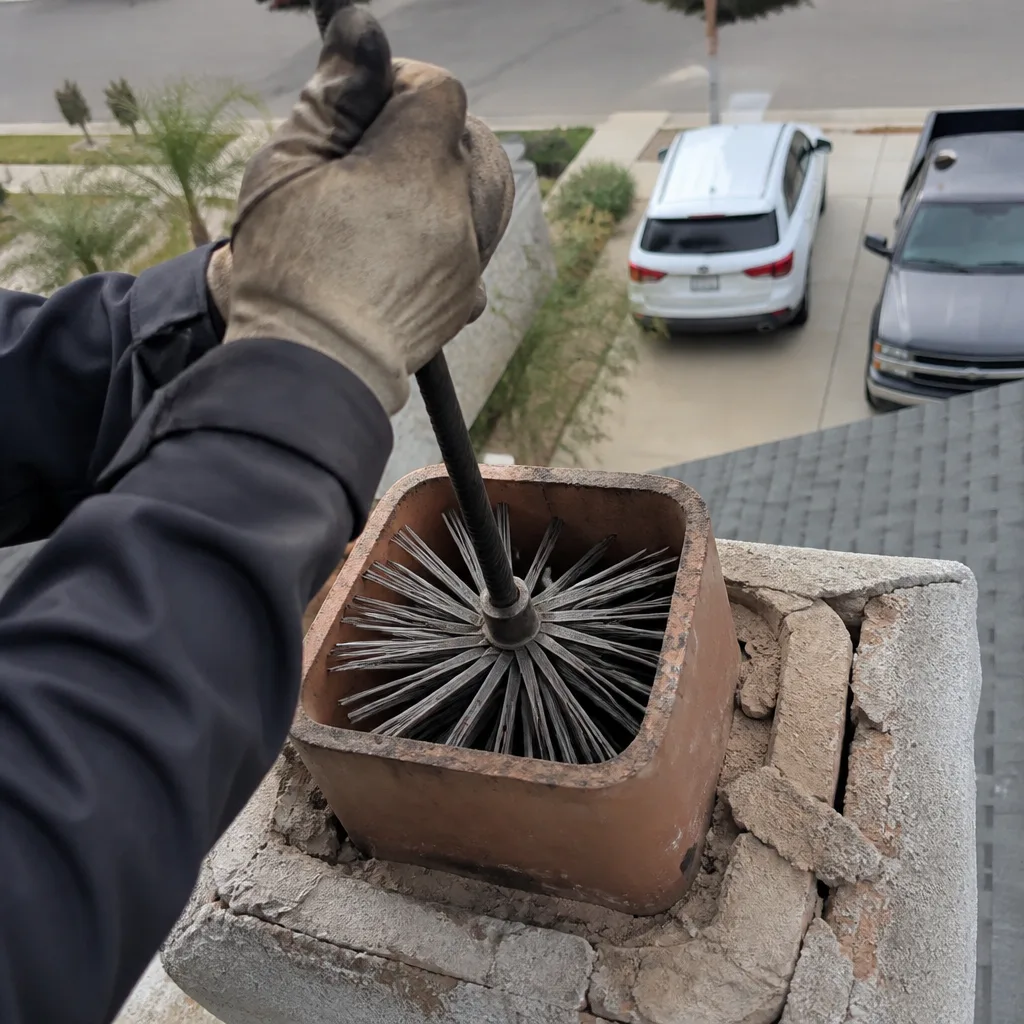
Chimney performance in Rancho Cucamonga is shaped by three local factors that coastal California sweeps rarely encounter.
Inland heat cycles accelerate thermal shock. A flue liner that reaches 400°F during a winter fire and cools to 45°F overnight experiences more expansion-contraction stress than one in Santa Monica where overnight lows rarely drop below 50°F. In the Day Creek and Summit areas, we’ve documented liner tile spalling - surface flaking caused by repeated thermal stress - at rates roughly 40% higher than in comparable Orange County homes of the same vintage.
Santa Ana wind events create reverse draft conditions. When sustained northeast winds push down the Cajon Pass, they can pressurize homes and reverse normal chimney draft. This causes smoke backup, but more insidiously, it deposits moisture and combustion byproducts in the flue that wouldn’t occur with normal upward flow. We’ve found accelerated corrosion of stainless steel liners in homes west of Milliken Avenue that correlate with documented Santa Ana periods.
Low humidity increases creosote adhesion. Rancho Cucamonga’s average relative humidity hovers near 40%, versus 65% in coastal zones. Dry air doesn’t suppress creosote formation - it changes its character. Rather than the flaky, brushable Class I or II creosote common in damp climates, we frequently encounter harder, more adherent deposits that require chemical pretreatment. The brush-and-vacuum approach adequate in San Diego often fails here.
These factors mean a “standard” sweep protocol developed for Los Angeles or San Diego may leave Rancho Cucamonga flues inadequately cleaned. Our technicians carry HeatShield refractory mortar and DuraFlex liner materials specifically because we’ve learned what this climate does to chimney systems.
How to Read Your Chimney Cleaning Invoice Line by Line
An invoice should be a transparent map of labor and materials, not a single lump sum with a company logo. Here’s what each line item should correspond to.
Labor: Sweep and inspection. This covers the technician’s time on site, including setup, brushing, vacuuming, and documentation. In Rancho Cucamonga, expect 1.5 to 2.5 hours for a thorough Level 2 service. If this line shows 30 minutes, question what was actually performed.
Materials: Consumables. Brushes, rods, drop cloths, HEPA filters, cleaning solvents. These are real costs, though modest. A $15-$35 materials charge is reasonable; $100 suggests padding.
Equipment: Camera and documentation. The Level 2 camera system, image storage, and report generation. Some companies treat this as an add-on. We include it as standard - Clause 4 of the Haven Standard requires it, so we don’t unbundle it.
Disposal: Creosote and debris. Creosote is classified as hazardous waste in California. Proper disposal requires manifest documentation. A $25-$50 disposal fee is legitimate; absence of this line may indicate improper disposal.
Travel/zone charge. Common for companies dispatching from outside the Inland Empire. Rancho Cucamonga-based services typically don’t charge this. If you see it, the company likely drove from Corona or Ontario.
Red flags: “Miscellaneous” or “Service fee” without breakdown. Bundled “cleaning and inspection” with no time or scope specified. Any charge for “consultation” when you already booked a paid service.
Our invoices list every minute and every material. The written price you received before work started matches the final invoice unless we discovered a condition that required stopping work - in which case you receive a revised written scope before anything proceeds.
Four Conditions That Stop a Cleaning and Convert to Repair
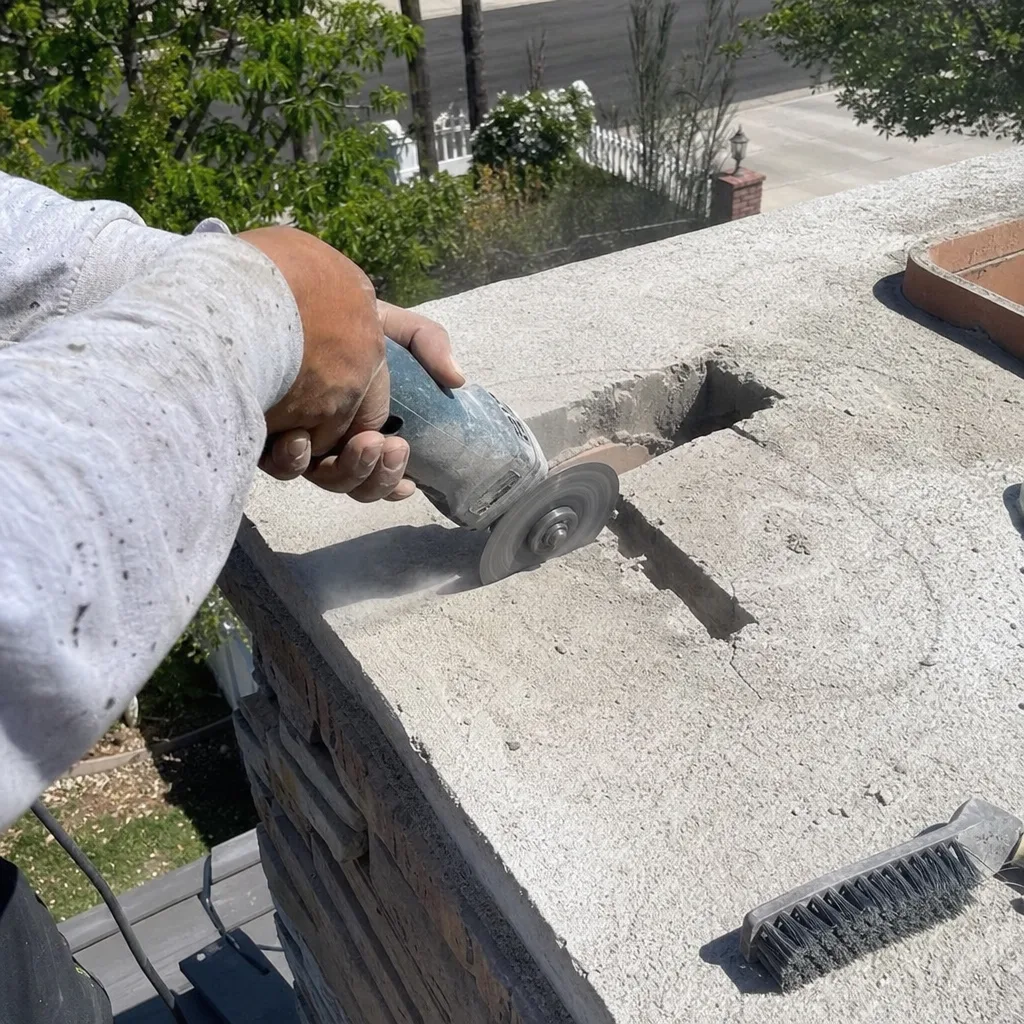
A technician who continues brushing despite discovering structural damage is creating liability for you and for themselves. These four conditions require work to halt until a repair scope is written and agreed upon.
1. Compromised flue liner with visible gaps or separations. Brushing a damaged clay tile liner can dislodge fragments that obstruct the flue or fall into the firebox. In Rancho Cucamonga’s heat-cycled systems, we’ve seen tile shards wedge in smoke chamber shoulders, creating blockages that weren’t there before the “cleaning” began. The correct response: stop, document with camera, present repair options.
2. Deteriorated mortar joints in the smoke chamber or firebox. Known as “spalling” when the brick face flakes, or simply “washed” joints when mortar has eroded. Brushing dislodges more material and can expose structural steel or combustible framing. HeatShield refractory mortar or similar repair is required before safe use continues.
3. Crown cracks allowing water intrusion. A cracked crown funnels water into the chimney structure. Cleaning the flue without addressing the crown guarantees repeat contamination. In Rancho Cucamonga’s freeze-thaw cycle - yes, it freezes here, particularly in the foothill neighborhoods above 1,200 feet - water in crown cracks expands and worsens the damage between seasons.
4. Animal nesting or blockages requiring removal beyond standard brushing. Birds, squirrels, and occasionally roof rats establish residences in uncapped flues. Standard brushes don’t remove nesting material, and attempting to do so can compact blockages or drive animals into living spaces. Specialized extraction and often a new cap installation are required.
In each case, you should receive: camera documentation of the condition, a written repair scope with price, and a clear statement of what happens if you delay. No pressure to decide immediately. No “I can fix it right now for cash” offers. The Haven Standard requires written price before work starts - that applies to repairs discovered mid-service just as it does to scheduled appointments.
What Your Service Record Must Contain
The document you receive after a chimney cleaning is a legal record. It should contain specific elements that protect you in three scenarios: insurance claims after a fire, home sale disclosures, and warranty disputes with the sweep company.
Required elements:
- Date and property address. Not just “Rancho Cucamonga” - the full street address.
- Technician name and license number. California requires C-29 or C-61/D-49 licensing for chimney work. The license number should appear on every document.
- Scope of work performed. Specific, not generic: “Swept 8″ x 12″ clay tile flue from roof to smoke chamber using poly brushes and HEPA vacuum” rather than “chimney cleaned.”
- Inspection level and findings. Whether Level 1 or 2, with notation of any defects found or “no defects observed.”
- Photo record. Date-stamped images of the flue interior, crown, firebox, and any defects. Clause 4 of the Haven Standard requires these be retained by the company and provided to you.
- Written warranty. What is guaranteed, for how long, and what triggers it. Our 365-Day Done Right Promise covers workmanship defects and re-cleaning if creosote buildup exceeds NFPA thresholds within the warranty period.
- Clear statement of conditions requiring follow-up. If the technician observed crown cracking or minor spalling not yet requiring repair, this should be noted with recommended monitoring interval.
Verbal summaries, text messages, or invoice-only documentation fail in all three protection scenarios. We’ve testified in insurance subrogation cases where the absence of written scope cost homeowners their claims. The extra five minutes to generate proper documentation is what separates professional service from a cash transaction.
How Often Should You Clean Your Chimney in Rancho Cucamonga?
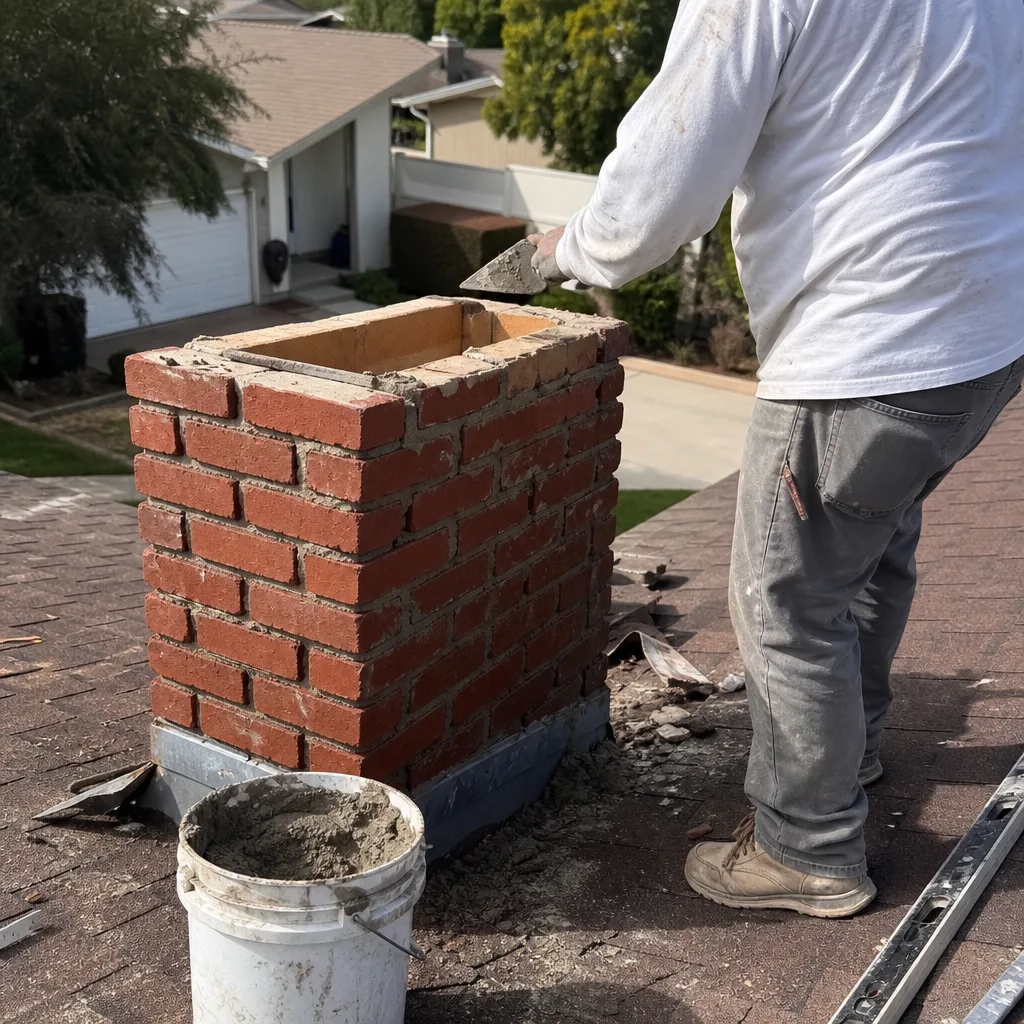
NFPA 211 recommends annual inspection and cleaning as needed. “As needed” depends on use, fuel type, and local conditions specific to Rancho Cucamonga.
For wood-burning fireplaces: After every cord of seasoned hardwood burned, or annually, whichever comes first. In practice, Rancho Cucamonga homeowners who use their fireplaces 20-30 evenings per winter typically need cleaning every 12-18 months. Those in the wind-exposed foothill areas may need more frequent service due to draft irregularities causing incomplete combustion.
For gas log sets: Every 2-3 years for inspection, with cleaning as indicated by debris accumulation. The ceramic fiber logs degrade and shed material. We’ve found significant fiber buildup in 15-year-old installations in the older neighborhoods near Route 66 - material that standard gas service calls don’t address.
For pellet stoves: Annually, with particular attention to venting clearances. Rancho Cucamonga’s dry climate increases static electricity in pellet exhaust, which can affect electronic components.
For unused chimneys: Every 2-3 years to check for animal intrusion, water damage, and structural deterioration. An unused chimney isn’t a maintenance-free chimney.
The definitive test is the Level 2 camera scan, not the calendar. We’ve cleaned chimneys that appeared fine from the hearth but contained dangerous Class III creosote glazing visible only on camera. We’ve also cleared chimneys that hadn’t been used in three years and were clean enough to skip service. The camera removes guesswork.
Common Mistakes to Avoid
- Booking a “cheap sweep” from a coupon mailer without verifying inspection level. In Rancho Cucamonga, we’ve followed behind $99 specials that never accessed the roof, never ran a camera, and never opened the damper. The homeowner received a receipt and a false sense of security.
- Assuming gas fireplaces need no chimney maintenance. Gas combustion produces water vapor and acidic condensate that deteriorates flue liners. We’ve replaced liners in gas-only chimneys in the Victoria Gardens area where years of assumed “no maintenance needed” led to structural failure.
- Ignoring crown cracks until water stains appear inside. By the time interior drywall shows damage, the chimney structure has absorbed significant moisture. Rancho Cucamonga’s summer monsoon bursts and winter rains exploit crown cracks that developed during prior heat cycles.
- Accepting verbal estimates for repair work discovered during cleaning. California contractors must provide written contracts for jobs exceeding $500. A technician pressuring for immediate verbal agreement is operating outside legal requirements and Haven Standard protocols.
- Failing to request documentation for insurance purposes. Homeowner policies increasingly require proof of maintenance for chimney-related claims. A photo record from a documented Level 2 inspection satisfies this; a handwritten receipt does not.
- Using the chimney as a vent for a new appliance without professional evaluation. We’ve seen furnace and water heater venting improperly routed into fireplace flues in Etiwanda ranch homes, creating dangerous cross-contamination. Each appliance requires its own properly sized vent or a certified combination system.
When to Call a Professional
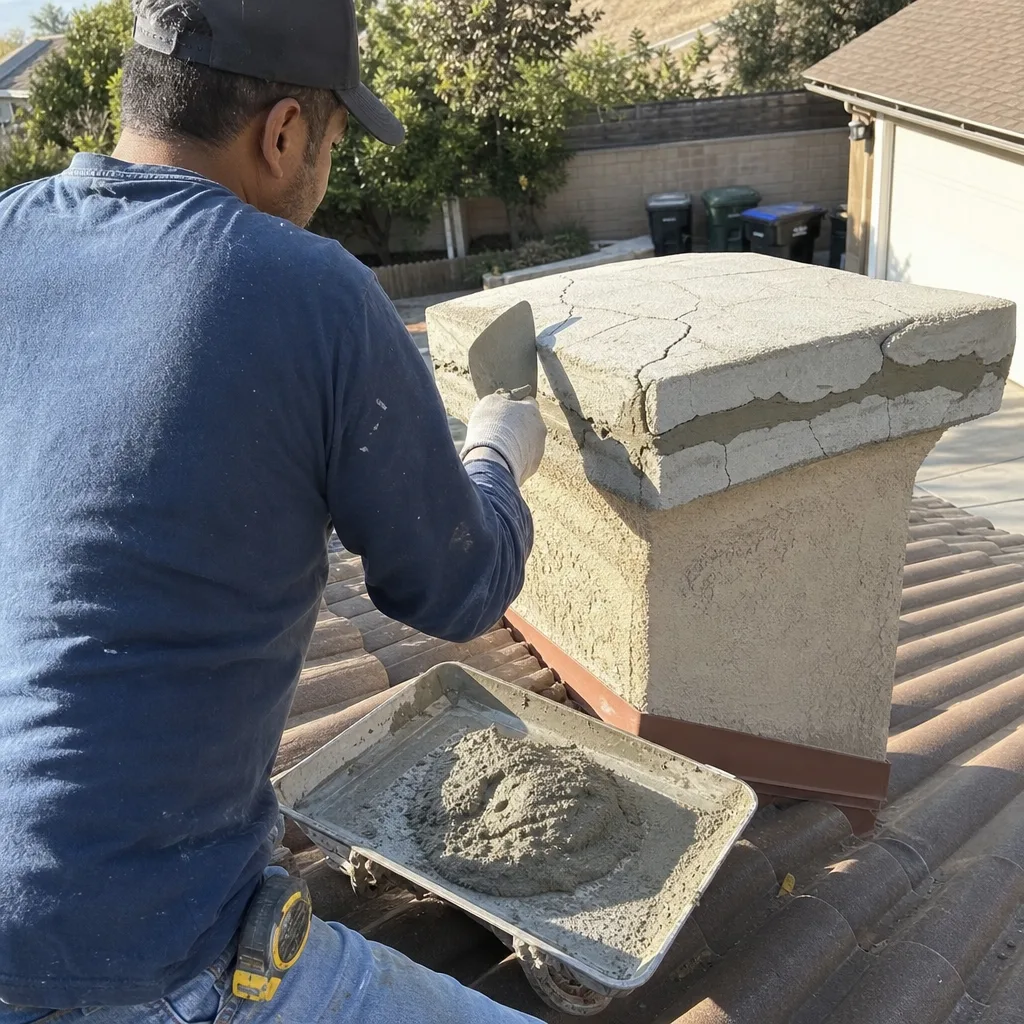
Call for service before the first fire of the season, not after smoke fills the room. Specific triggers: visible soot or creosote flakes in the firebox, a persistent smoky odor when the fireplace isn’t in use, draft problems that cause smoke to enter the living space, or any event - earthquake, lightning strike, chimney fire - that may have damaged the structure.
If you’re buying a home in Rancho Cucamonga, require a Level 2 inspection as a contingency. Seller-provided “cleaning receipts” from unknown companies are not substitutes for documented camera inspection.
Chimney Cleaning & Sweep in Rancho Cucamonga from Emberly Chimney Cleaners Rancho Cucamonga includes NFPA 211 Level 2 camera inspection as standard, with written price before work starts and documented photo record on completion. We offer free estimates in Rancho Cucamonga - call (909) 430-9243.
Frequently Asked Questions
A standard chimney sweep with Level 1 inspection in Rancho Cucamonga typically runs $175 to $325, while a Level 2 camera-scan sweep ranges from $275 to $450. Class III creosote removal or fireplace insert service costs more due to additional labor and chemical treatment. We provide written pricing before any work begins - call (909) 430-9243 for an exact quote; estimates are free.
You need a new liner when the existing one is damaged, improperly sized, or missing - conditions we verify with camera inspection, not visual guesswork. In Rancho Cucamonga, we frequently find clay tile liners cracked by thermal shock in homes built 1985-2005, and unlined brick chimneys in pre-1980 construction that no longer meet code. We recommend nothing without camera evidence you can see for yourself, and we’ll tell you plainly when a repair can safely wait. Call (909) 430-9243 for a free second opinion on any liner replacement quote.
Wood-burning chimneys should be inspected annually and cleaned after every cord of seasoned wood or when creosote exceeds 1/8-inch buildup - whichever comes first. Rancho Cucamonga’s dry climate and temperature swings often produce harder, more adherent creosote than coastal areas, so “annual” shouldn’t stretch to 18 months without camera verification. Gas and pellet systems have different intervals; call (909) 430-9243 to discuss your specific setup.
Skipped cleaning allows creosote accumulation, which ignites at approximately 451°F and burns at temperatures exceeding 2,000°F - hot enough to crack flue liners and ignite adjacent framing. Carbon monoxide, a colorless, odorless combustion byproduct, can leak through liner gaps into living spaces. In Rancho Cucamonga, where many homes have attached garages and tightly sealed construction, CO infiltration poses particular risk. The NFPA reports that failure to clean chimneys is a leading contributor to home heating fires. Camera inspection removes the uncertainty of “is it bad enough yet?”
A sweep is the physical cleaning of soot and creosote from the flue and firebox. An inspection is the evaluation of the chimney’s condition, structure, and clearances. They often occur together but are distinct services - you can inspect a clean chimney or sweep a chimney that then fails inspection. Emberly Chimney Cleaners Rancho Cucamonga performs both as an integrated service, with camera documentation of findings under Haven Standard Clause 4.
Homeowners can perform basic firebox cleaning and ash removal, but flue brushing requires roof access, proper brush sizing, and - critically - the ability to evaluate what the camera reveals. Rancho Cucamonga’s municipal code requires permits for structural chimney modifications, and homeowner insurance policies may deny claims for fire damage following DIY maintenance. For the flue itself, we recommend professional service; the safety risks of working on steep roofs and handling creosote without proper extraction equipment outweigh any cost savings. We document our work so you have a record your insurer will accept.
The Bottom Line
A chimney cleaning in Rancho Cucamonga is a sequence of documented decisions, not a single transaction. It starts with understanding whether you need Level 1 or Level 2 inspection, continues with transparent pricing and proper procedure, and ends with a written record you can use for insurance, resale, or warranty claims. The inland climate here creates conditions - thermal shock, dry-air creosote, Santa Ana draft reversal - that make camera documentation especially valuable. Anything less leaves you with a receipt and a hope.
Emberly Chimney Cleaners Rancho Cucamonga has operated under the Haven Standard since 2009, completing more than 38,000 chimney inspections and cleanings with written price before work starts, documented photo records on every visit, and the 365-Day Done Right Promise. Our materials come through Haven’s buying network from DuraFlex, HeatShield, Gelco, Olympia Chimney, Famco, and Copperfield - sourced to keep customer prices honest. Calls are answered live, 24 hours a day.
Call (909) 430-9243 for a free estimate, or bring us any competitor’s written quote for a free second opinion.
Written by Corrine Halstead, Owner at Emberly Chimney Cleaners Rancho Cucamonga, serving Rancho Cucamonga since 2009.