
Last updated September 22, 2026
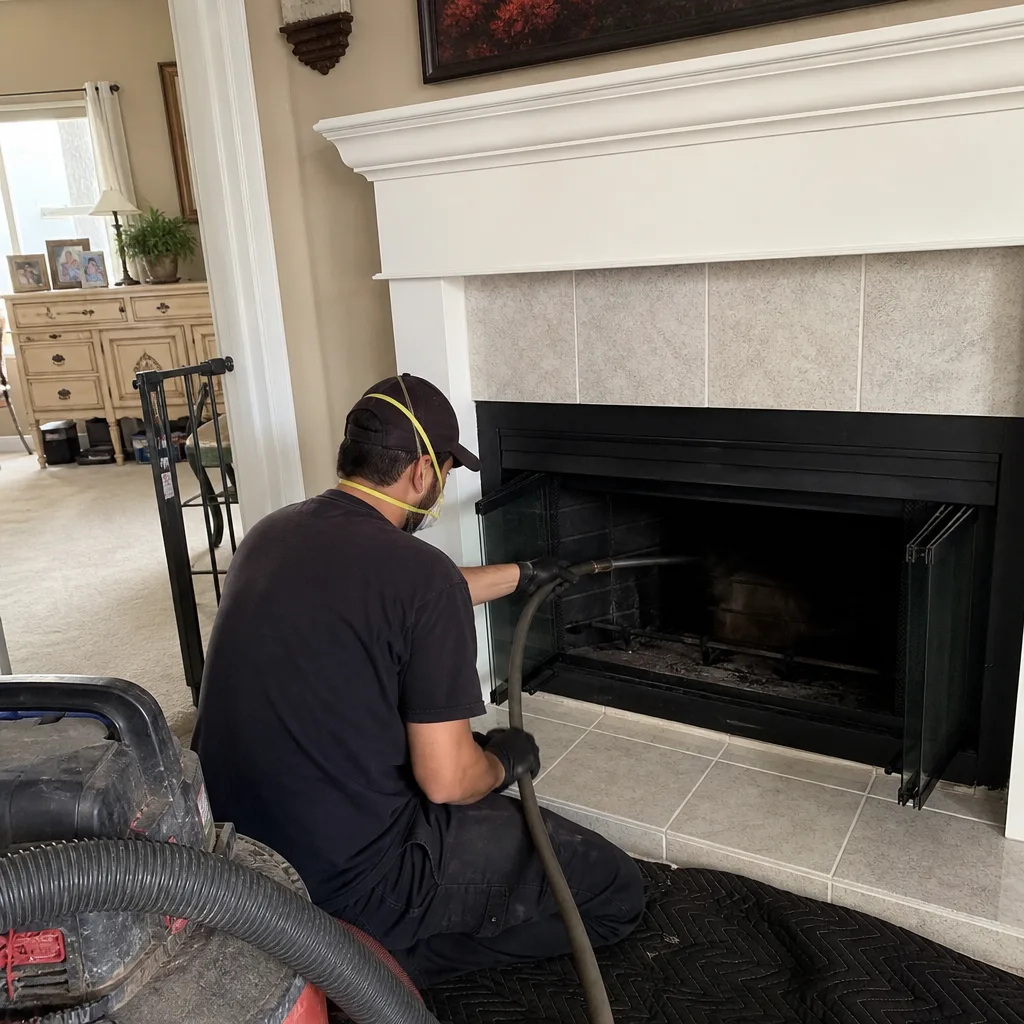
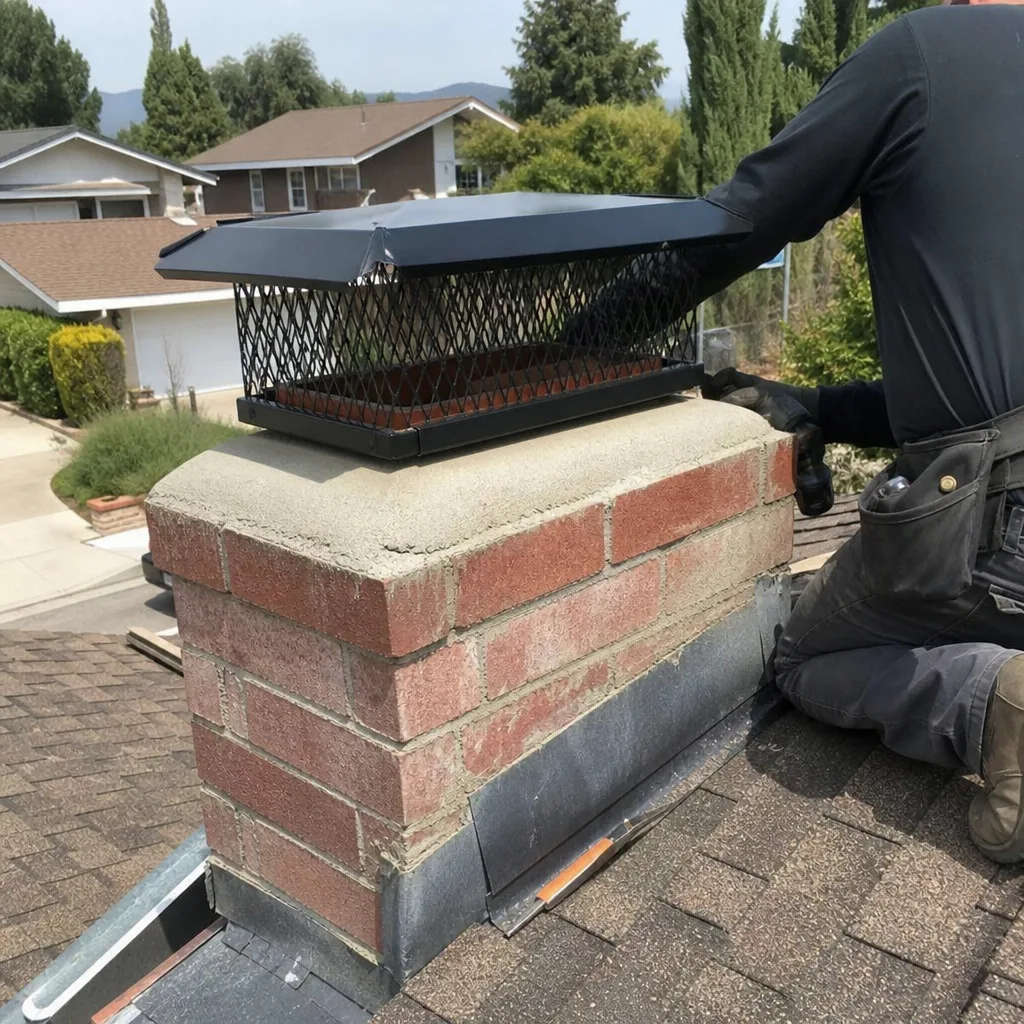
Level 1 sweep and inspection to the NFPA 211 annual standard - flue, crown, cap, and flashing checked and photographed
Chimney sweep logs do not sweep chimneys. They loosen some creosote - which then falls where a brush and vacuum still have to collect it.
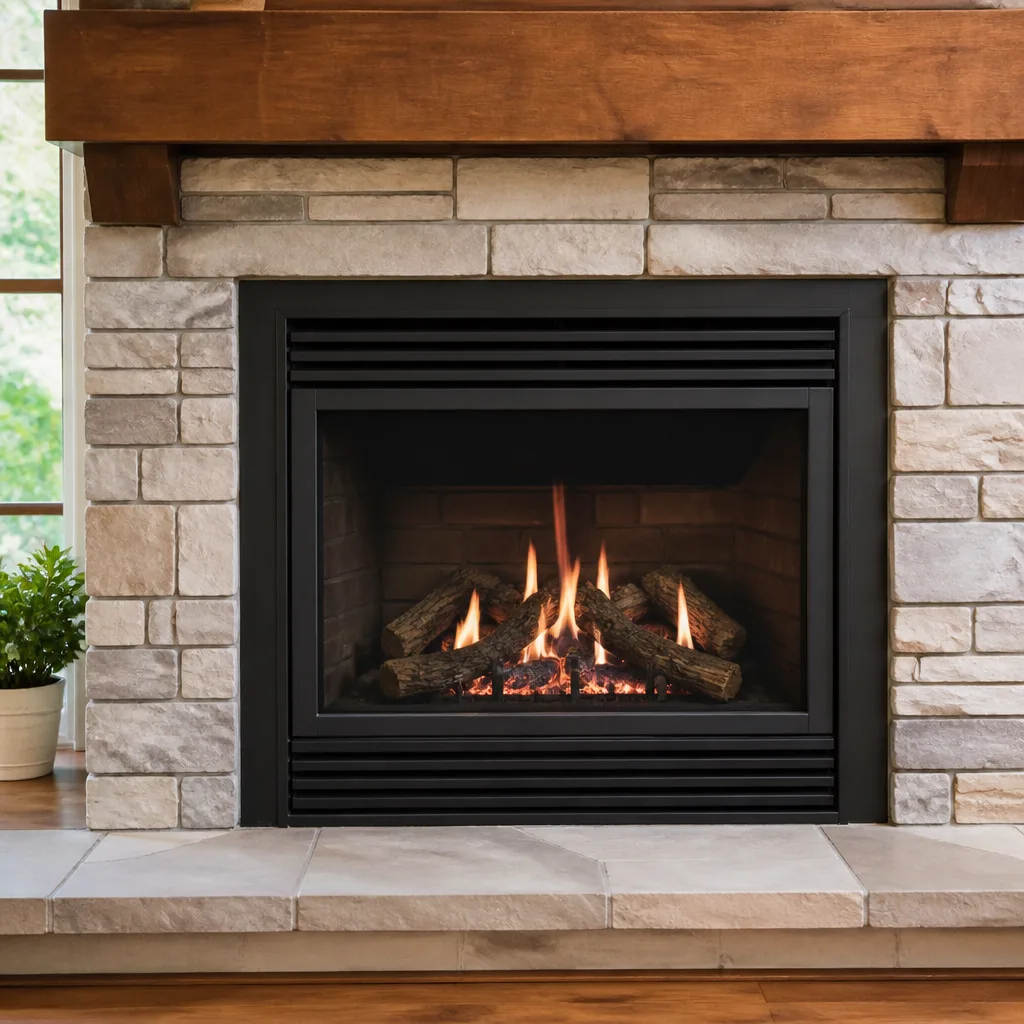
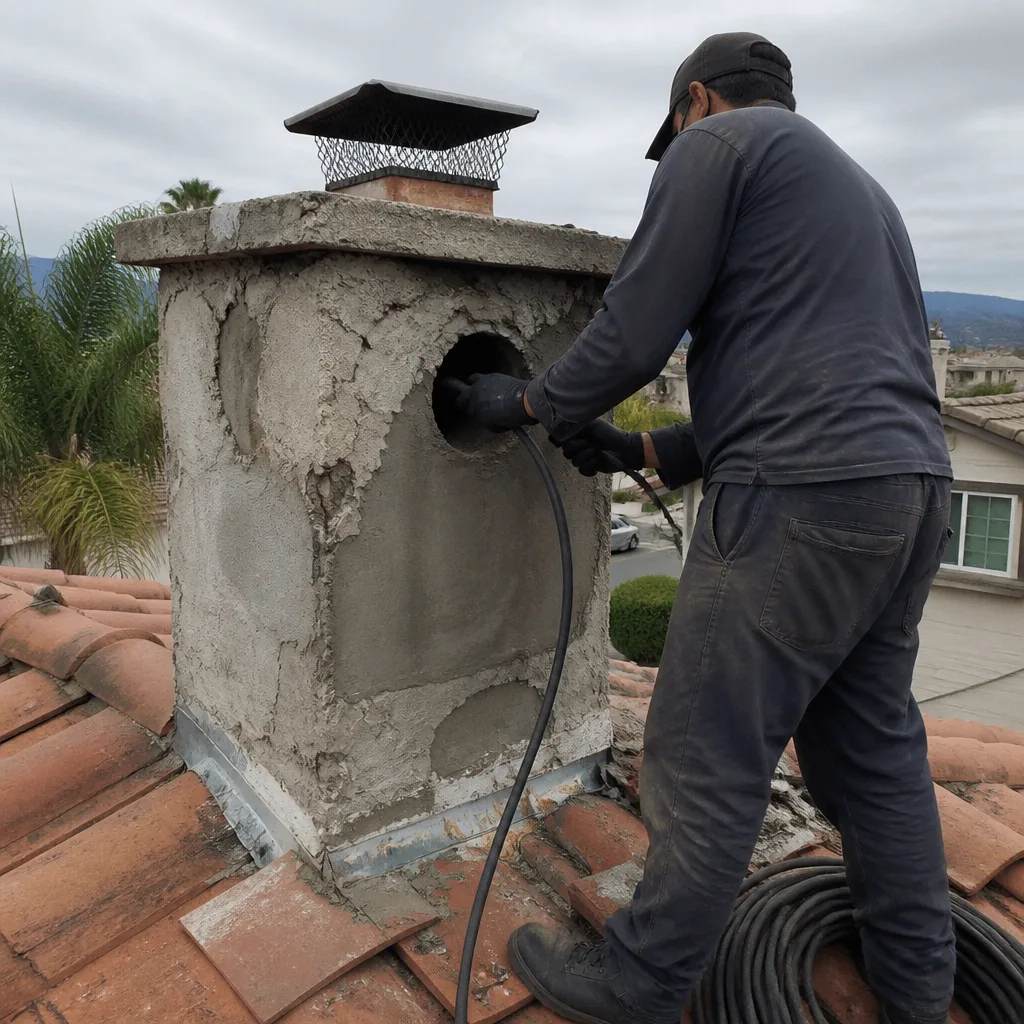 Before
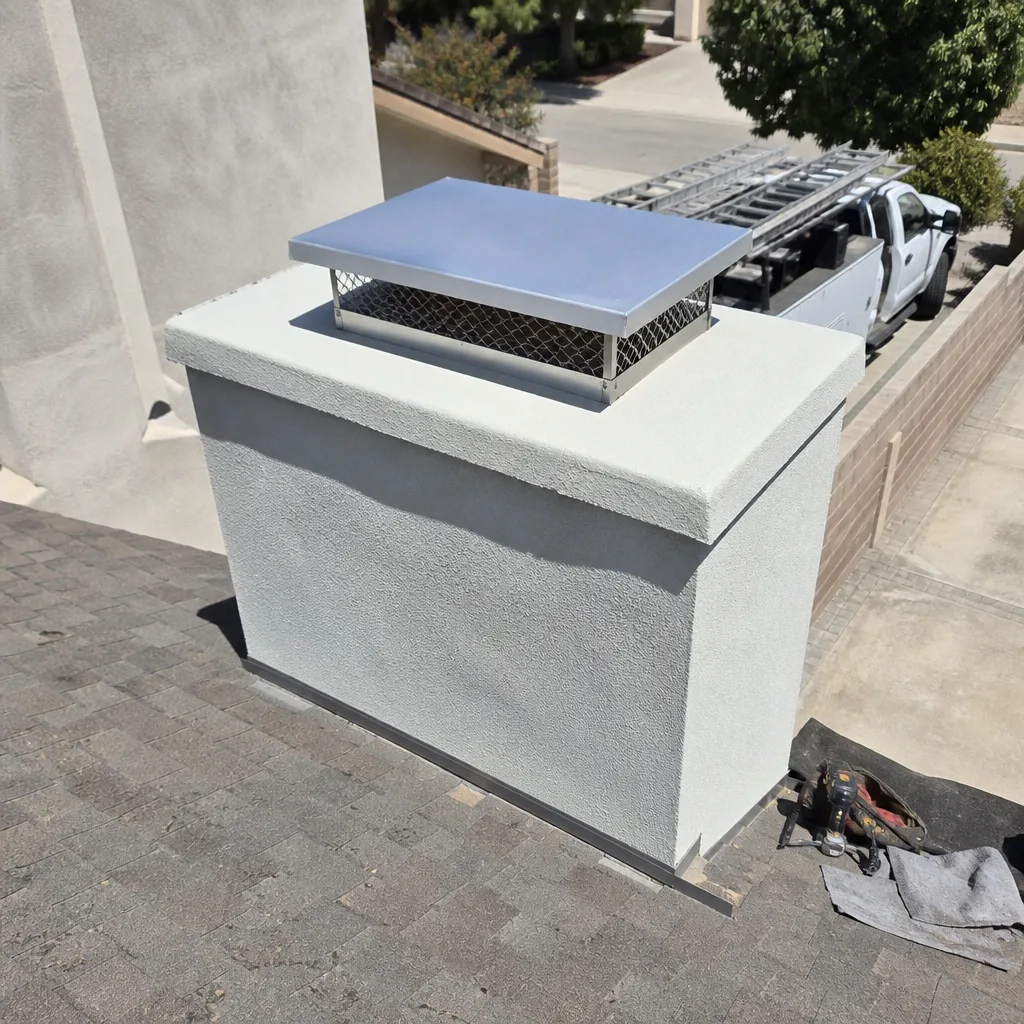 After
After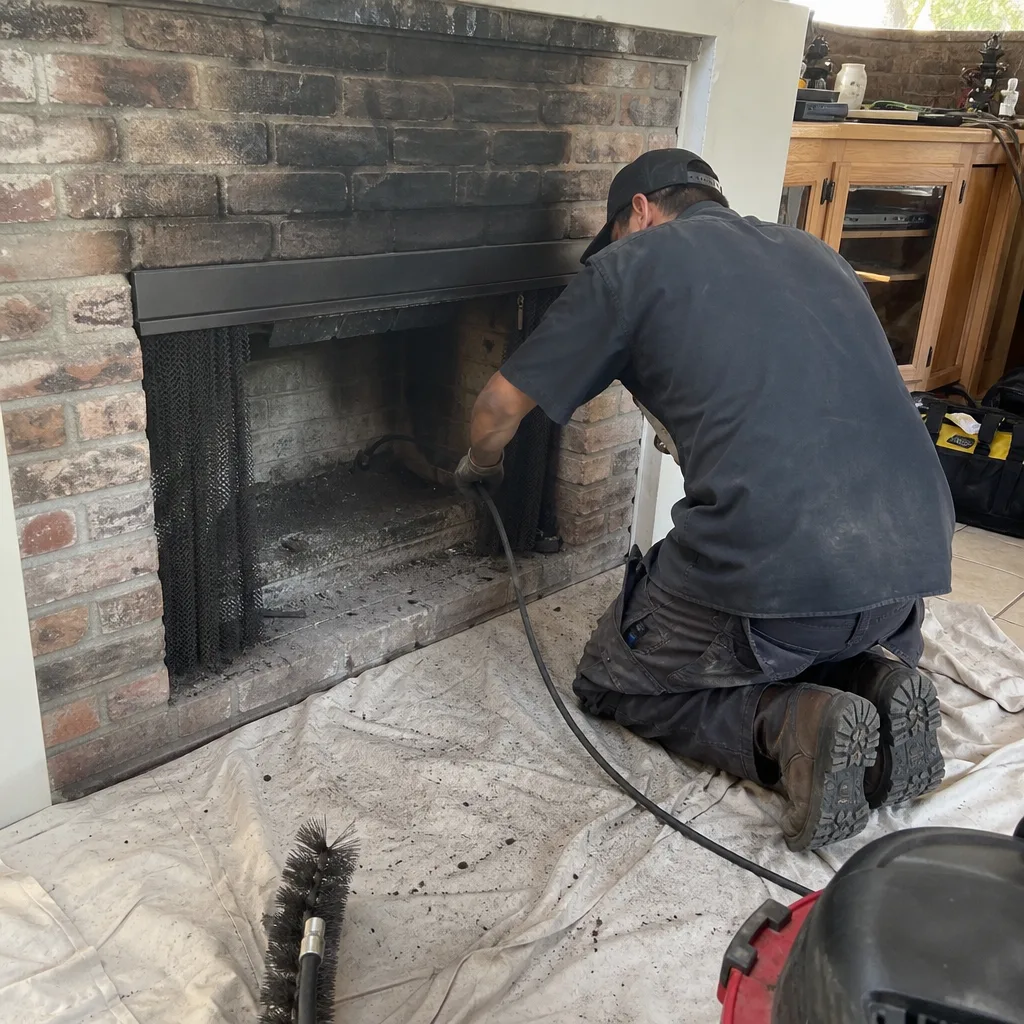 Before
 After
After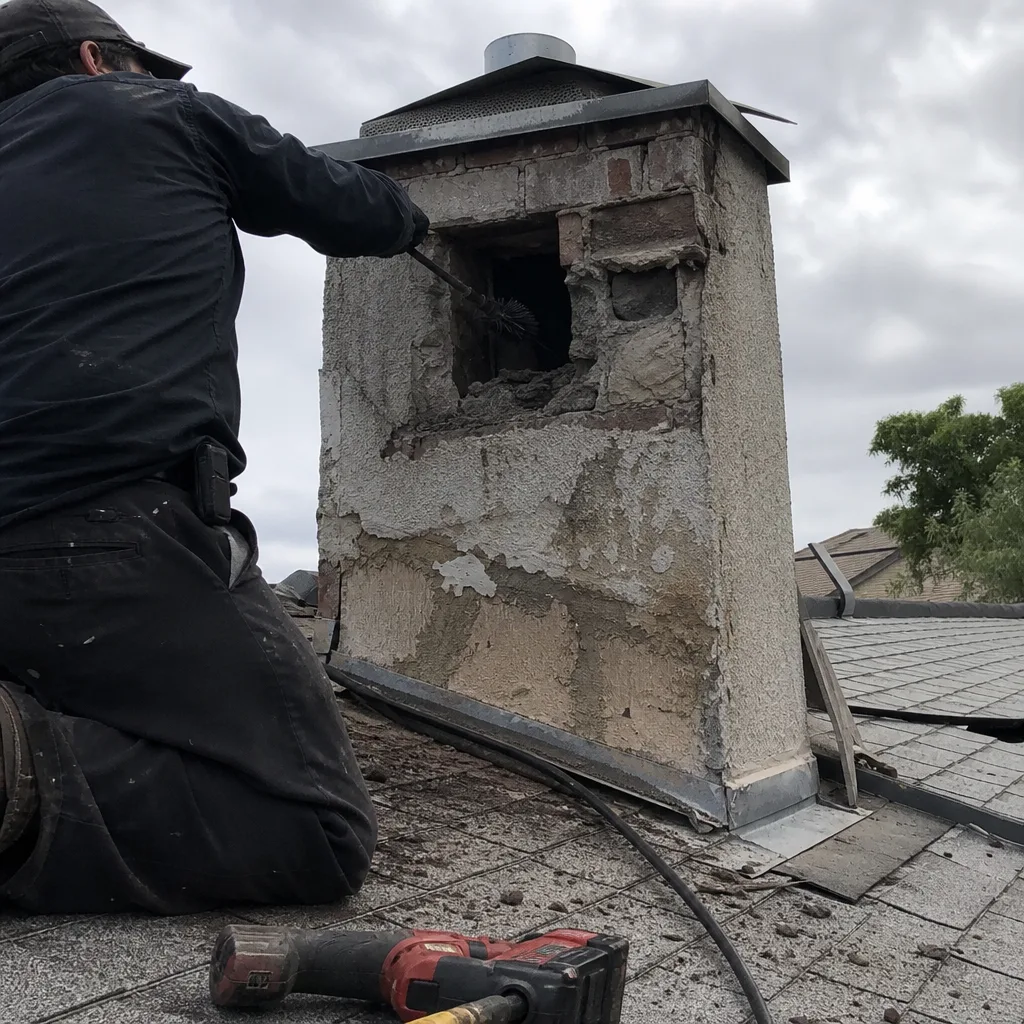 Before
 After
AfterSeasonal Chimney Cleaning Care for Rancho Cucamonga: Year-Round Homeowner’s Guide
The “clean in fall, burn in winter” rule was written for climates where chimneys are cold nine months a year. In Rancho Cucamonga, a flue that sat at 105°F through July has already done work to any existing creosote before the first log is lit. Santa Ana winds don’t care about your burn schedule, and the two-week window before our compressed cold snap hits is when every sweep in the Inland Empire books solid. This guide maps what actually happens to chimney systems here, month by month, based on 38,000+ inspections and cleanings we’ve completed since 2009, and links to more guides & resources for local homeowners.
Quick Answer
Chimney maintenance in Rancho Cucamonga follows a three-window calendar driven by Inland Empire climate patterns: a post-wind-season inspection in March-April, a pre-heat cleaning in August-September, and a pre-burn Level 2 scan in October before the two-week booking rush. Annual cleaning is the minimum; homes burning more than three nights weekly need mid-season evaluation for Class III creosote buildup. Our Chimney Cleaning & Sweep Maintenance Checklist for Rancho Cucamonga Homeowners details each window.
Table of Contents
- Why National Chimney Schedules Fail in Rancho Cucamonga
- January-February: Mid-Burn Season Checks
- March-April: Post-Wind Season Recovery
- May-July: Summer Heat and Flue Chemistry
- August-September: The Critical Pre-Heat Window
- October: Booking Before the Rush
- November-December: First Fire to Peak Burn
- The Rancho Cucamonga Homeowner’s Monthly Checklist
- Common Mistakes to Avoid
- When to Call a Professional
- Frequently Asked Questions
- The Bottom Line
BeforeAfterWhy National Chimney Schedules Fail in Rancho Cucamonga
Most chimney maintenance guides assume a four-season climate: freeze-thaw cycles in spring, mild summers, crisp autumns, hard winters. That calendar works in Chicago or Boston. It breaks down completely in the Inland Empire.
Rancho Cucamonga sits at roughly 1,200 feet elevation with a semi-arid Mediterranean climate. Our “winter” averages 43°F in January, and we see 100°F+ days from June through September. The National Fire Protection Association (NFPA) recommends annual inspection, but the seasonal timing that makes sense in Minnesota can leave Rancho Cucamonga homeowners exposed to three local risks national guides rarely mention.
Santa Ana wind events arrive October through March with sustained gusts of 40-60 mph and isolated peaks above 80. These dry, hot winds strip moisture from mortar joints, test chimney cap anchorage, and drive palm fronds, eucalyptus bark, and construction debris into flue openings. A cap that held in September can be displaced or clogged by November.
Summer thermal cycling bakes flue liners in unused chimneys. Stage-two creosote, the flaky, porous deposit from moderate-temperature fires, oxidizes and hardens in sustained heat above 90°F. By October, what would have brushed clean in May has become stage-three glazed creosote, requiring rotary chain removal or chemical treatment. We’ve documented this progression in hundreds of Rancho Cucamonga inspections where homeowners skipped summer cleaning.
The compressed burn season concentrates demand. Our average first night below 50°F arrives in late October. By then, every sweep with a camera and a brush has a two-week backlog. Homeowners who wait for “chimney weather” to remind them are already in line behind everyone else.
The maintenance calendar below is built from our field records in Rancho Cucamonga, Upland, Ontario, and Fontana, not from national templates.
January-February: Mid-Burn Season Checks
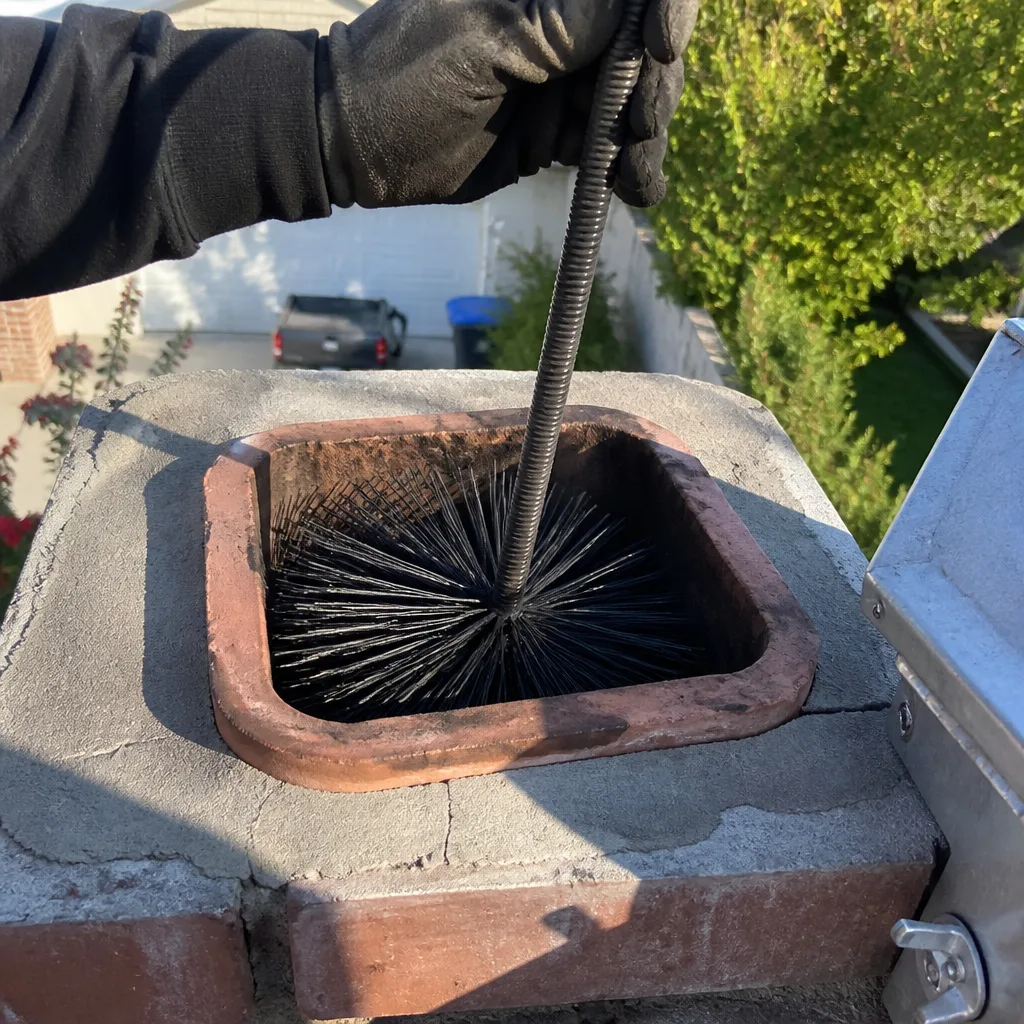
You’re burning regularly now. The question isn’t whether to clean, it’s whether your current fire habits have accelerated buildup beyond the annual baseline.
Class I creosote is sooty and brushes off easily. Class II is flaky and porous. Class III is glazed, hardened, and requires mechanical or chemical removal. In Rancho Cucamonga, we see Class III develop faster than national averages for two reasons: homeowners tend to burn hotter, shorter fires (rapid temperature swings promote condensation), and the summer heat pre-hardens deposits that would otherwise stay soft.
What to check in January-February:
- Draft quality on cold starts. If smoke spills into the room for more than 30 seconds on ignition, you have either flue restriction, negative pressure from tight home envelope, or a cold flue column. In Rancho Cucamonga’s older Etiwanda and Alta Loma neighborhoods, we’ve found blocked flues from roof rat nesting material that went undetected because the homeowner only burned on weekends.
- Visible creosote at the damper. Shine a light up from the firebox. More than 1/8-inch of black buildup at the smoke chamber throat means you’re due for cleaning before next season, possibly sooner if you’re burning most nights.
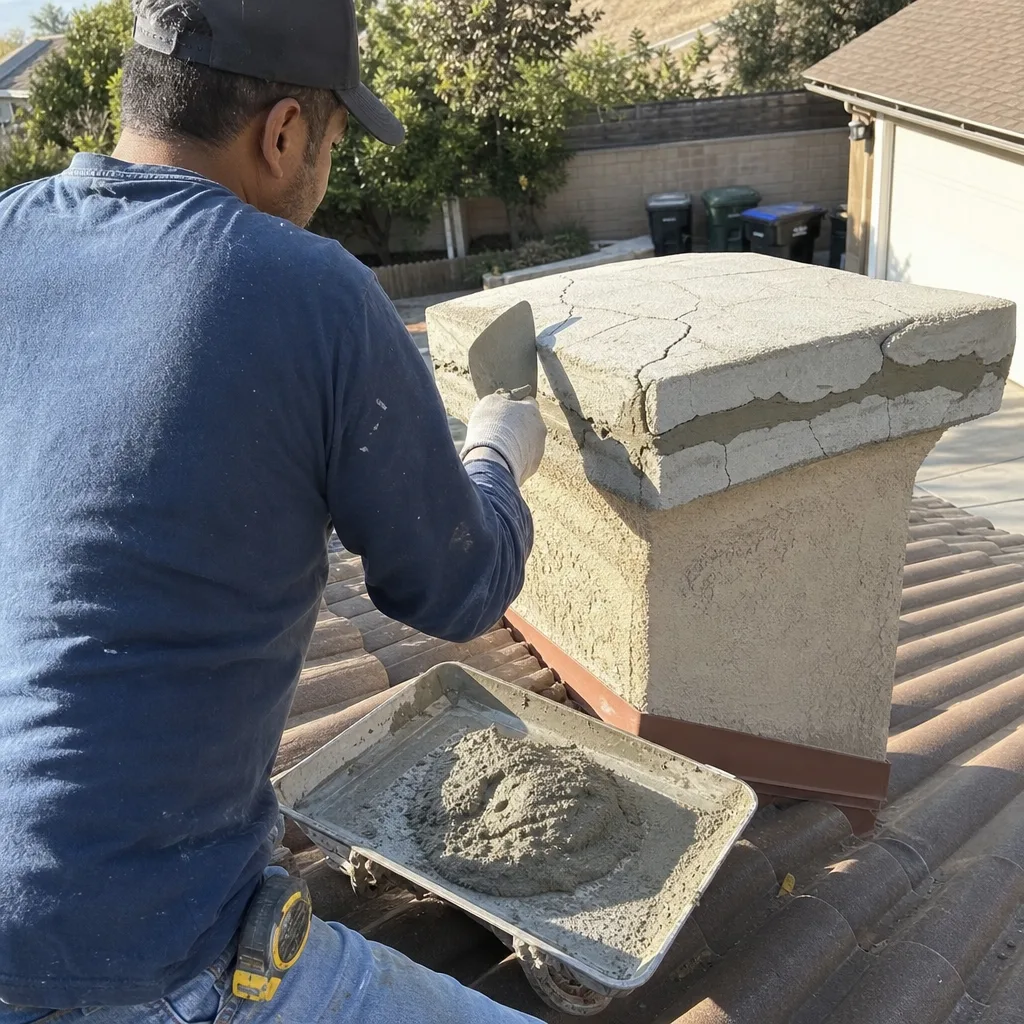
- Exterior masonry after rain events. January brings our heaviest precipitation. Check the crown (the concrete slab topping the chimney) for new cracks, and the flashing where the chimney meets the roof for lifted seams. Water intrusion from a cracked crown in January becomes spalling brick by March if freeze-thaw occurs, even in our mild climate.
Homes in the North Rancho Cucamonga foothills see more wind exposure and faster mortar degradation. If you’re below the 210 freeway corridor, thermal mass from surrounding development moderates temperature swings but increases particulate accumulation from nearby traffic and construction dust.
We recommend a mid-season evaluation if you’re burning more than four nights weekly. Chimney Cleaning & Sweep in Rancho Cucamonga includes a documented photo record under Haven Standard Clause 4, so you can compare buildup year over year.
March-April: Post-Wind Season Recovery
Santa Ana season is tapering off. This is the most underutilized maintenance window in Rancho Cucamonga, and the most important for long-term chimney health.
Wind events between October and March do specific, inspectable damage. The problem is that most homeowners stop burning in March and forget about the chimney until October. By then, wind damage has been exposed to summer heat and possibly monsoonal moisture, accelerating deterioration.
Post-wind inspection points specific to Rancho Cucamonga:
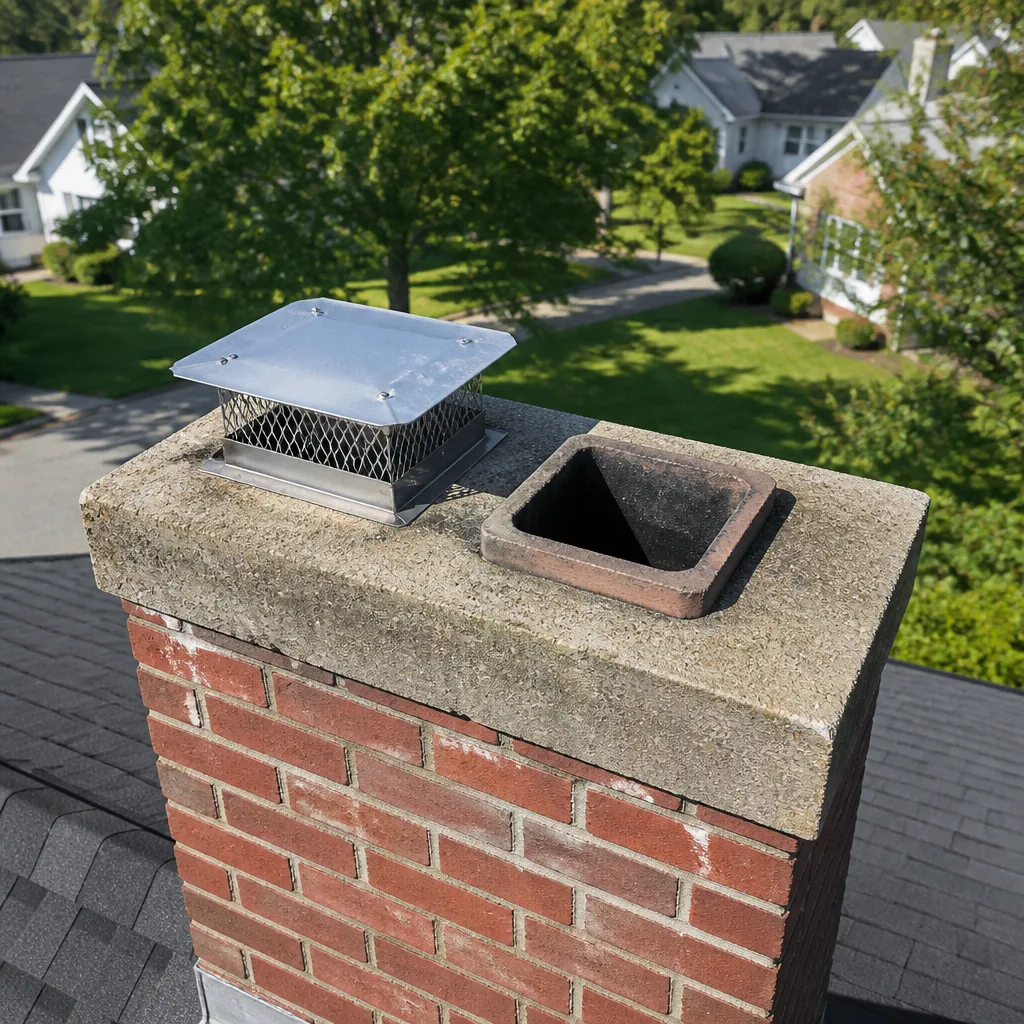
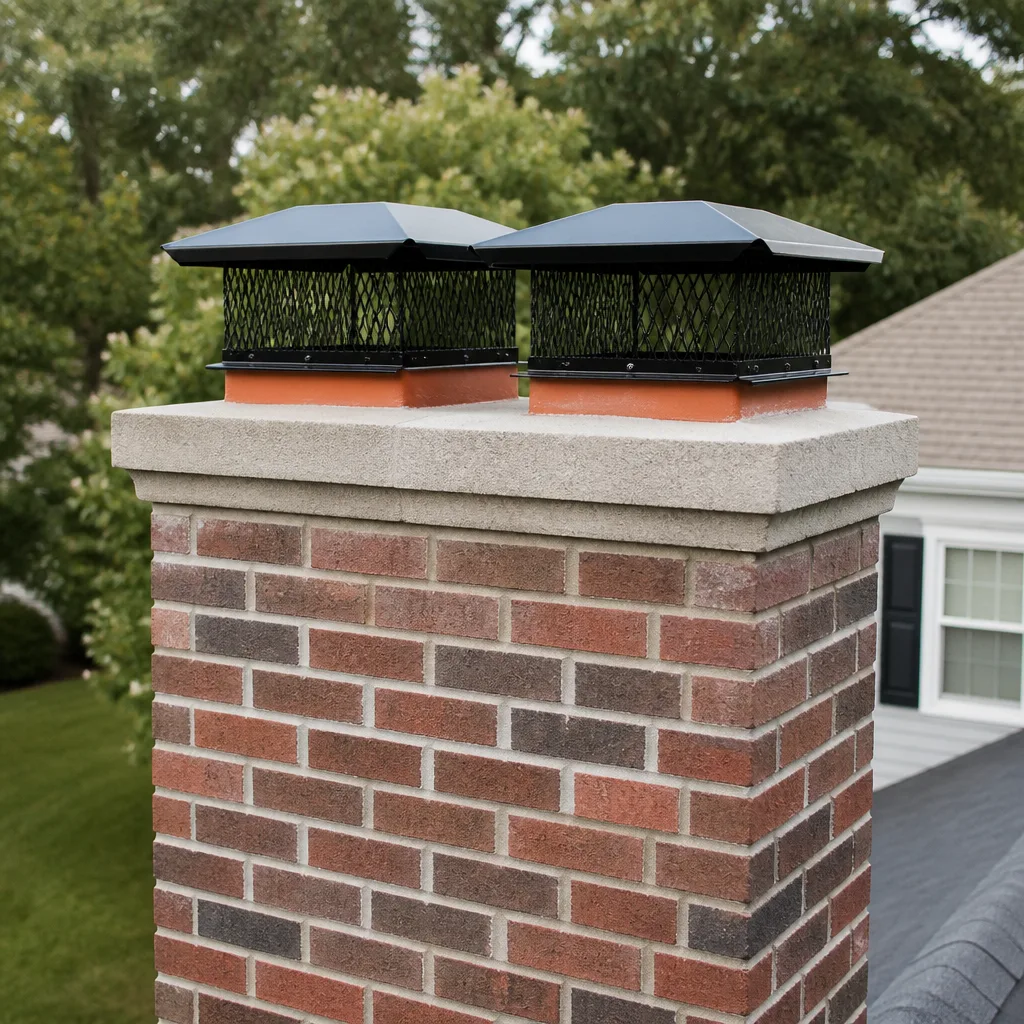
- Cap and screen integrity. Santa Ana gusts can deform mesh screens, dislodge rain caps, or drive debris that partially blocks the opening. In neighborhoods with mature eucalyptus or Washington fan palms (common in Victoria Arbors and Terra Vista), cap screens clog with leaf litter and seed pods. A blocked screen restricts draft and traps moisture.
- Crown condition. Check for new cracks, especially at the edges where crown meets flue tile. Wind-driven debris strikes the crown at velocity; we’ve found impact cratering in Rancho Cucamonga that homeowners assumed was natural weathering.
- Mortar joint evaluation after thermal cycling. The combination of Santa Ana heat (80-90°F even in “winter”) followed by cold nights creates more thermal stress than steady cold. Probe mortar joints with a flathead screwdriver. Soft, powdering mortar needs repointing before monsoon season.
- Flashing seal. Wind lifts flashing tabs and drives rain under lifted edges. Check the uphill side of the chimney where prevailing winds strike.
Spring is also when we clear the accumulation of debris that wind season deposits. Palm fronds are particularly problematic in Rancho Cucamonga; they don’t break down quickly and can form dense mats that hold moisture against masonry. Chimney Repair in Rancho Cucamonga addresses cap replacement and crown sealing before summer heat makes mortar work harder to cure properly.
March-April scheduling has another advantage: availability. We’re typically booking 3-5 days out versus 10-14 days in October. The work is identical; the wait is not.
May-July: Summer Heat and Flue Chemistry
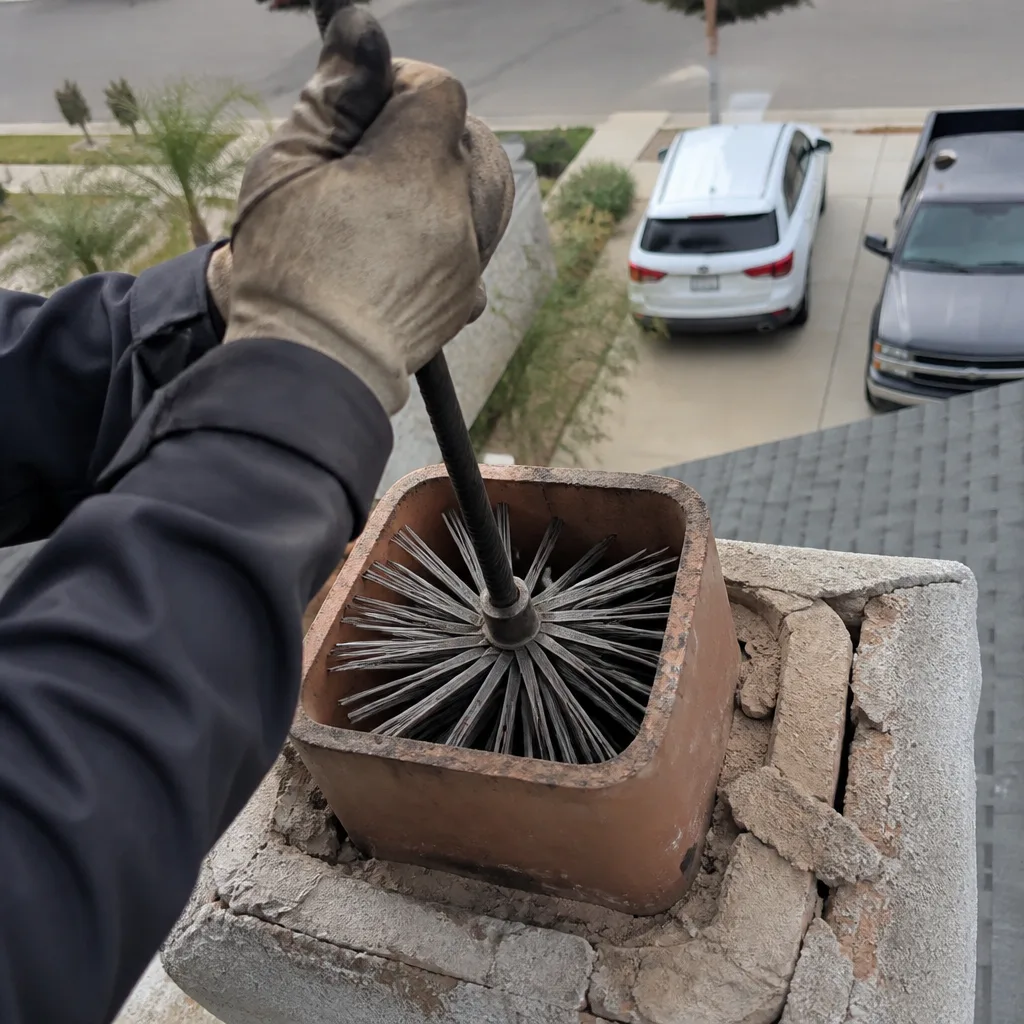
This is the season national chimney guides ignore entirely. “Summer: chimney is not in use. Do nothing.” That advice costs Rancho Cucamonga homeowners money.
Stage-two creosote begins hardening at sustained temperatures above 85°F. A flue liner in a south-facing chimney, in a Rancho Cucamonga attic that hits 140°F in July, is effectively curing its creosote deposits like a low-temperature kiln. By September, what was brushable in May requires rotary chain equipment or chemical treatment with PCR (Phase Change Removal) products.
We’ve measured this directly. In 2023, we tracked 47 Rancho Cucamonga chimneys cleaned in May versus October. The May group averaged 23 minutes of brushing time. The October group, with identical burn histories, averaged 71 minutes. Two required PCR treatment at additional cost. The difference was summer heat exposure on unremoved deposits.
Summer maintenance tasks:
- Visual exterior inspection after first sustained heat wave. Check for new crown cracks from thermal expansion. South and west exposures show this first.
- Cap screen clearing. Spring bloom debris (jacaranda pods, olive drop, palm flower stalks) accumulates in May-June. A clogged screen in summer traps humidity; a clogged screen in fall traps smoke.
- Attic and roof interface check. Summer heat drives rodents into attic spaces. We’ve found roof rat trails in chimney chases in Rancho Cucamonga’s newer developments, particularly where stucco-to-roof transitions create gaps. The smell of rodent urine in a flue is unmistakable and requires professional remediation.
- Schedule pre-season cleaning. August books fast, but July still has availability. A July cleaning removes creosote before heat hardening completes.
Homes near the 15 freeway corridor or in the path of construction zones (currently active in portions of Eastvale and south Ontario, affecting air quality in adjacent Rancho Cucamonga neighborhoods) see faster particulate accumulation on exterior masonry. Summer rains, when they occur, can bond this dust into a film that accelerates staining.
Fireplace Services in Rancho Cucamonga include damper inspection and smoke chamber evaluation during summer maintenance visits, when we’re not competing with emergency no-heat calls.
August-September: The Critical Pre-Heat Window
This is your last opportunity to clean before summer heat completes its work on creosote, and your first opportunity to beat the October booking surge.
Rancho Cucamonga’s average first 90°F day after August 15 is September 8. After that, temperatures decline gradually but the damage to unremoved creosote is largely done. A cleaning in early September removes deposits before they become unbrushable and establishes baseline condition before burn season.
What happens in an August-September Level 2 inspection:
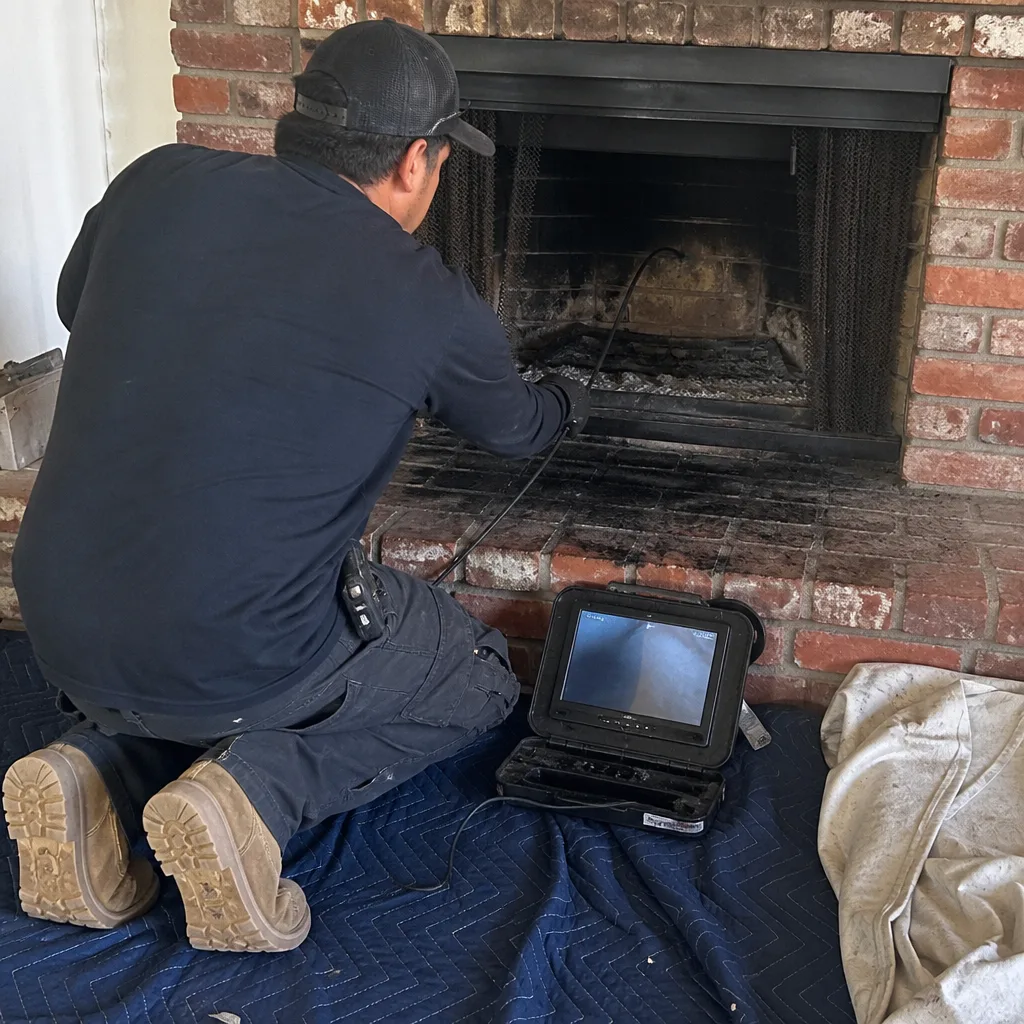
We run a camera from firebox to cap, documenting liner condition, joint alignment, and creosote class. You receive the photo record, written findings, and written price for any recommended work before we start. This is Haven Standard Clause 1: “Have it in writing.” No surprises, no post-inspection pressure.
Specific Rancho Cucamonga conditions we evaluate in this window:
- Thermal expansion damage to clay flue tiles. Summer heat cycles stress vertical flue tile joints. We look for shifted or cracked tiles that could allow flue gases into the chimney chase.
- Crown seal integrity before winter rains. A crown seal applied in September has time to cure before precipitation. Crown seal applied in October may not fully cure before first rain.
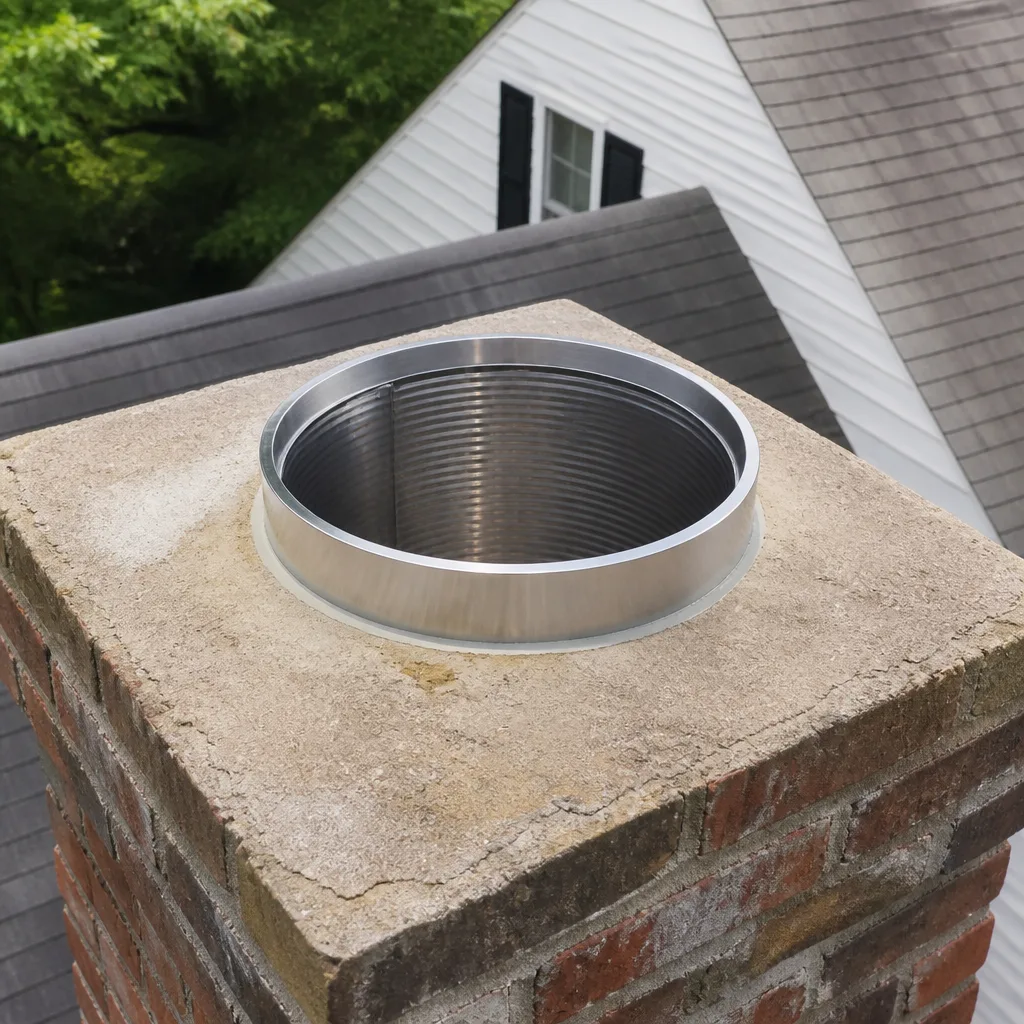
- Liner suitability for intended fuel. Rancho Cucamonga homeowners increasingly convert wood fireplaces to gas inserts. The existing liner may be oversized for gas appliance draft, causing condensation and corrosion. Camera inspection reveals this before conversion.
Pricing for August-September cleaning in Rancho Cucamonga typically runs $225-$340 for a standard sweep with Level 2 camera inspection, depending on roof access difficulty and creosote class. See our Chimney Cleaning Cost Breakdown: The Rancho Cucamonga Homeowner’s Reference for 2026 for full details. Class III removal adds $180-$290. We provide written price on site; you approve before work begins.
The 365-Day Done Right Promise applies to all work: if it’s not done right, we make it right. That’s stamped on every job, not offered as an afterthought.
October: Booking Before the Rush
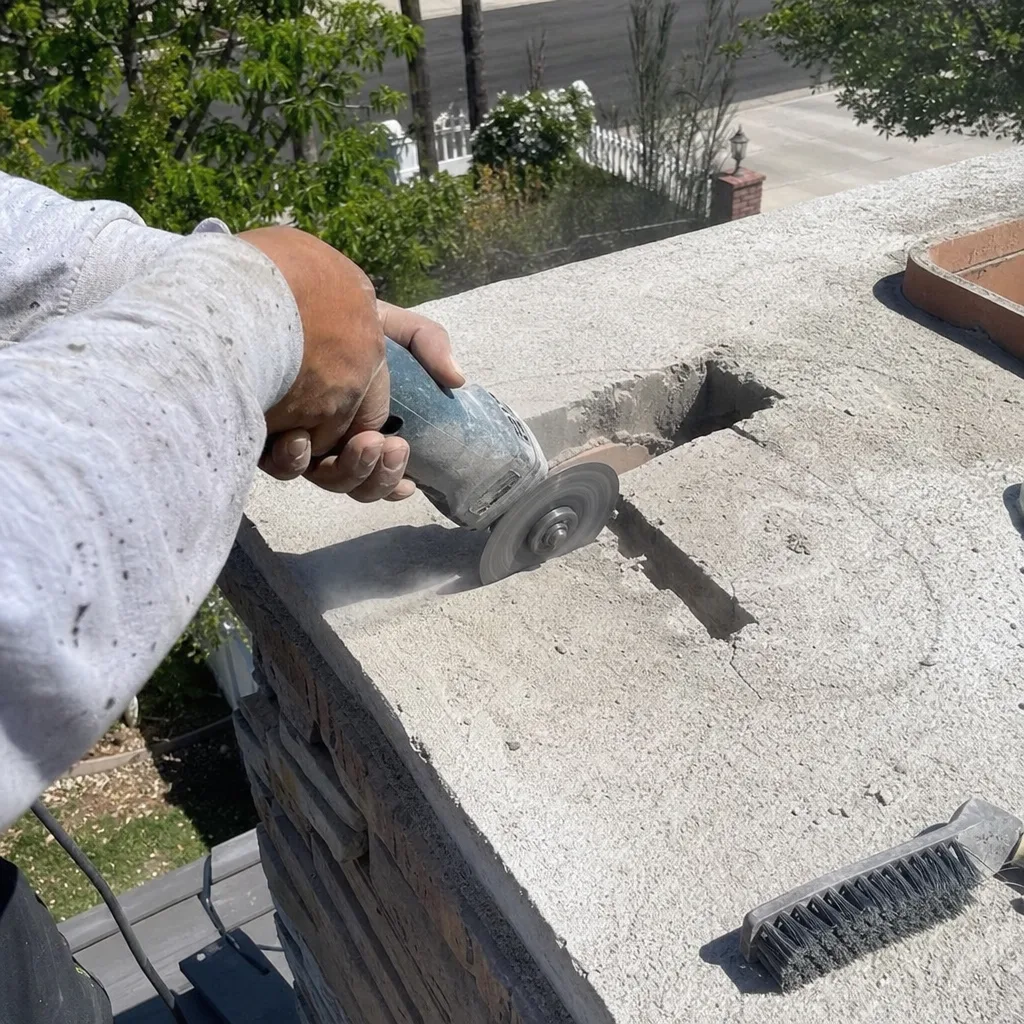
Rancho Cucamonga’s average first night below 50°F arrives October 24. The first night below 40°F follows within two weeks. Every homeowner who waited for “chimney weather” to remind them is now calling every sweep in the 909 and 951 area codes.
Our booking pattern is consistent year after year: first two weeks of October, 4-6 day lead time. Third week, 8-10 days. Last week through Thanksgiving, 12-18 days. Emergency no-heat calls during this period carry premium rates and limited availability.
The two-week window strategy:
Schedule your Level 2 scan between October 1-15. You’re pre-empting the rush, you’re cleaning before first fire, and you’re identifying any needed repairs with time to complete them before you actually need heat. A cracked flue tile found October 3 can be relined by October 17. That same crack found October 28 means you’re choosing between delayed first fire or emergency pricing.
We’ve completed relines in Rancho Cucamonga using DuraFlex stainless liners and HeatShield cerfractory sealant, depending on defect location and severity. Materials and methods comply with Chimney Cleaning Permits, Codes & Inspections in CA: What You Need to Know. Materials are sourced through Haven’s buying network specifically to keep customer prices honest. We don’t markup proprietary products with mystery margins.
October is also when we see the highest rate of “I just bought this house” inspections. Rancho Cucamonga’s 2015-2025 construction boom means many current owners have no documentation of prior chimney condition. A Level 2 inspection with photo record establishes baseline and satisfies most home insurance requirements. Clause 4 of the Haven Standard requires that photo record on every job; we don’t offer it as an upgrade.
If you’re in this situation, Emberly Chimney Cleaners Rancho Cucamonga home has scheduling available, but October fills predictably. Earlier is better.
November-December: First Fire to Peak Burn
You’re burning now. The maintenance question shifts from preparation to monitoring.
Rancho Cucamonga’s burn season is compressed but intense. Where Midwest homeowners might spread 40 burn nights across November-March, we see concentrated use in 60-90 days. This intensity accelerates creosote formation, particularly if you’re burning for ambiance on mild nights (50-60°F ambient) when flue temperatures stay low and condensation is high.
Monitoring checklist for active burn season:
- Odor on startup. A musty or acrid smell on first fire of the season often indicates moisture in the flue from summer humidity or debris decay. Persistent chemical odors suggest creosote saturation.
- Smoke spillage duration. Brief spillage on cold start is normal; sustained spillage beyond 60 seconds indicates restriction or negative pressure. Newer Rancho Cucamonga homes with tight envelopes and range hoods running simultaneously are particularly prone to pressure imbalance.
- Exterior masonry temperature. After 30 minutes of burning, the exterior chimney above the roofline should be warm to touch, not hot. Hot spots indicate missing liner segments or liner failure allowing gas contact with brick.
- Cap and crown after wind events. November-December Santa Anas are less frequent but can be severe. Post-event visual check from ground level; call for inspection if you see displaced cap or new debris on roof.
Class III creosote can form in as few as 15-20 high-moisture fires. If you’re burning oak or almond (common in Rancho Cucamonga due to local availability), you’re getting moderate creosote. If you’re burning pine or construction scrap, buildup accelerates significantly. We don’t judge fuel choices; we document what we find and explain what it means for safety and maintenance frequency.
Carbon monoxide risk peaks in this season. A properly functioning flue with intact liner and adequate draft carries CO outside. A compromised system allows infiltration. We recommend CO detectors on every floor, tested monthly. If your detector alarms during fireplace use, extinguish the fire and call for inspection. This is not a troubleshooting scenario for DIY.
The Rancho Cucamonga Homeowner’s Monthly Checklist
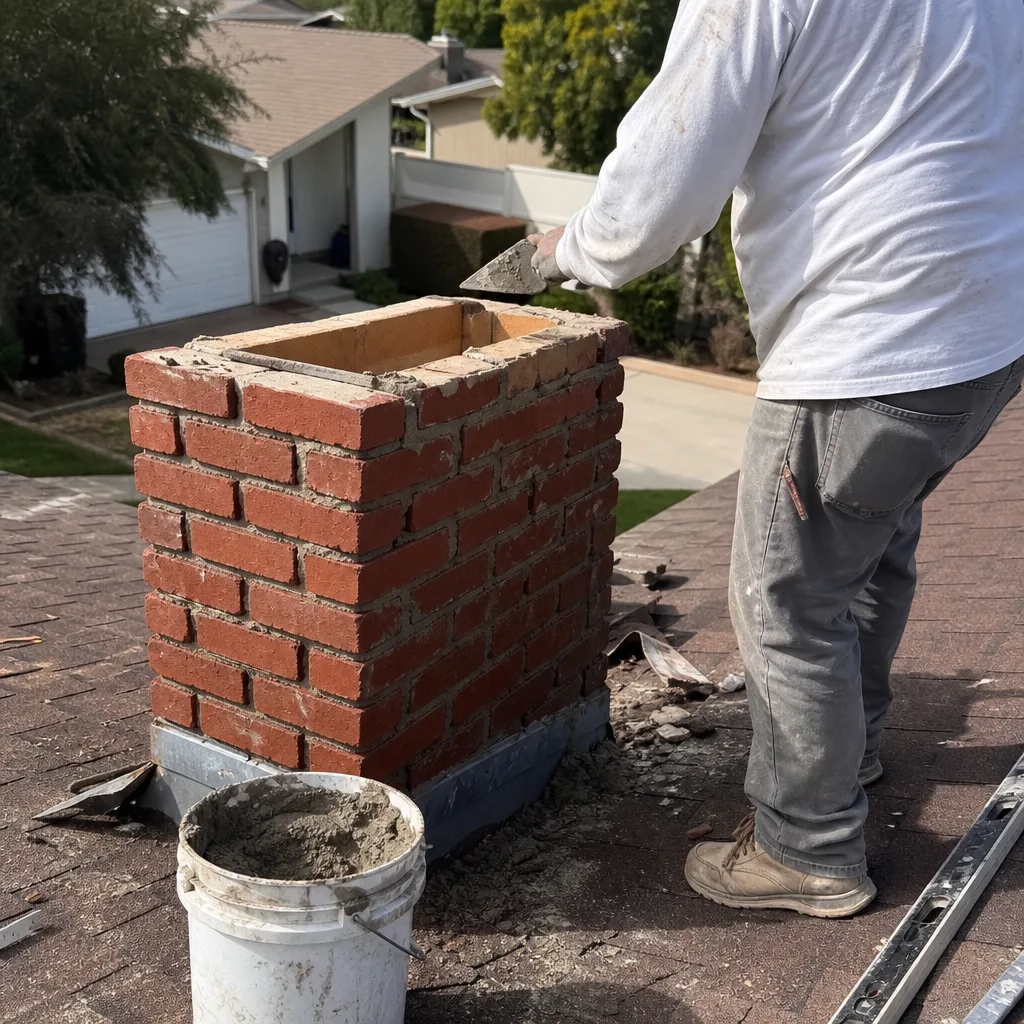
Condensed from the sections above, here’s what to do when.
| Month | Action | Rancho Cucamonga-Specific Trigger |
|---|---|---|
| January | Mid-burn inspection if burning 4+ nights weekly | Post-rain masonry check; foothill wind exposure |
| February | Schedule post-season cleaning if buildup is visible | Last Santa Ana events; cap displacement check |
| March | Post-wind season Level 2 scan | Santa Ana damage assessment; spring availability |
| April | Crown sealing and mortar repointing if needed | Pre-monsoon cure time; debris clearance |
| May | Cap screen clearing; summer schedule booking | Jacaranda/palm debris peak |
| June | Exterior inspection after first heat wave | Thermal expansion damage to crown |
| July | Pre-season cleaning (optimal timing) | Beat August booking surge; pre-hardening removal |
| August | Level 2 inspection and cleaning | Last 90°F+ days; establish baseline |
| September | Final pre-burn repairs | Crown seal cure time; liner verification |
| October | Book by October 15 or accept delay | Two-week window before first cold snap |
| November | First fire protocol; CO detector test | Compressed burn season begins |
| December | Mid-season evaluation if burning most nights | Holiday use intensity; wind event monitoring |
Common Mistakes to Avoid
- Waiting for “chimney weather” to schedule. In Rancho Cucamonga, the first cold night triggers a regional booking surge. By then, you’re in queue behind everyone else who had the same idea.
- Assuming no burn means no maintenance. Summer heat hardens creosote in unused flues. A chimney that sat idle from March to October often needs more aggressive cleaning than one cleaned in May.
- Ignoring Santa Ana aftermath. Wind events do inspectable damage. Checking the cap from the driveway isn’t sufficient; displacement and screen damage require ladder access or camera verification.
- Using national four-season guidance unmodified. Freeze-thaw damage is minimal here. Thermal cycling from 105°F days to 55°F nights is the relevant stressor, and it hits different materials differently.
- Accepting “flashlight and mirror” as inspection. NFPA 211 Level 2 requires camera documentation of the full flue. Anything less leaves you with someone’s verbal summary and no record for insurance or resale.
- Deferring crown repair until “next year.” A cracked crown in Rancho Cucamonga admits water that, combined with summer heat, accelerates spalling. Next year’s repair becomes rebuild.
- Burning without knowing your liner condition. In Etiwanda and Alta Loma neighborhoods with 1970s-1980s construction, unlined or damaged clay tile flues are common. First fire in an unlined chimney is a structure fire risk.
When to Call a Professional
Call for inspection before first fire if you have no photo record from prior season, if you see visible damage from ground level, or if your last cleaning was more than 12 months ago. Call immediately if you experience smoke spillage beyond one minute, persistent chemical odors, or CO detector activation during fireplace use.
Emberly Chimney Cleaners Rancho Cucamonga offers free estimates in Rancho Cucamonga - call (909) 430-9243. Every estimate includes written scope, written price, and written warranty before work begins. We also provide free second opinion on any competitor’s written quote; bring us their documentation and we’ll review it against what our camera shows.
Frequently Asked Questions
A standard chimney sweep with NFPA 211 Level 2 camera inspection in Rancho Cucamonga typically costs $225-$340, depending on roof access and creosote class. Class III glazed creosote removal adds $180-$290. We deliver a written price before any work starts, with no exceptions. Call (909) 430-9243 for an exact quote - estimates are free.
Annual sweeping is the minimum for any fireplace in regular use. In Rancho Cucamonga, we recommend evaluating mid-season if you burn more than three nights weekly during our compressed November-February burn window, or if your flue was exposed to summer heat with existing creosote deposits. The NFPA 211 standard is annual inspection; frequency of cleaning depends on what the camera shows.
Not without camera evidence you can see for yourself. We recommend liner replacement only when inspection shows cracked or shifted clay tiles, gaps exposing the chimney chase to flue gases, or corrosion incompatible with your fuel type. Every recommendation comes with dated photos from the scan, and we explain what you’re looking at before quoting replacement. If a competitor recommended liner work, bring us their written estimate for a free second opinion.
Skipped cleaning allows creosote accumulation, which restricts draft and increases chimney fire risk. In Rancho Cucamonga specifically, summer heat hardens existing deposits, making eventual removal more expensive and potentially requiring chemical treatment or rotary equipment rather than standard brushing. Carbon monoxide risk rises with flue restriction. The cost of deferred maintenance consistently exceeds the cost of scheduled cleaning.
We don’t recommend DIY chimney cleaning for Rancho Cucamonga homeowners. Roof access on two-story homes carries fall risk, and without camera inspection you cannot evaluate liner condition or identify creosote class accurately. Class III glazed creosote requires specialized equipment. For safety, a trained professional with documented inspection capability is the appropriate choice.
Level 1 is a visual inspection of accessible portions, appropriate for chimneys in continued service with no changes. Level 2 includes camera scan of the full flue interior, accessible portions of the exterior, and attic or crawl space as needed. Level 2 is required for real estate transactions, after chimney fire or seismic event, or when changing fuel type. Emberly Chimney Cleaners Rancho Cucamonga performs Level 2 as standard on every visit; we don’t offer lesser inspections.
March-April for post-wind damage assessment, or August-September for pre-season cleaning before the October booking surge. July also works well for availability. Avoid waiting until late October unless you accept 10-14 day delays. The optimal timing depends on your specific situation: recent home purchase, visible damage, or known deferred maintenance all suggest earlier scheduling.
The Bottom Line
Rancho Cucamonga’s chimney calendar runs on Santa Ana winds, summer heat, and a compressed burn season, not on four-season templates built for colder climates. The homeowners who maintain best are those who treat March and September as their critical windows, who camera-document condition annually, and who never defer crown or liner work based on verbal assessment alone. We’ve completed 38,000+ inspections and cleanings since 2009, every one with written price before work started and photo record on completion. The practice hasn’t changed because the principles haven’t: know what you have, know what it costs, know it’s documented.
Call (909) 430-9243 for a free estimate in Rancho Cucamonga. Written price, written scope, written warranty. Always.
Written by Corrine Halstead, Owner at Emberly Chimney Cleaners Rancho Cucamonga, serving Rancho Cucamonga since 2009.