
Last updated September 22, 2026
Level 1 sweep and inspection to the NFPA 211 annual standard - flue, crown, cap, and flashing checked and photographed
Chimney sweep logs do not sweep chimneys. They loosen some creosote - which then falls where a brush and vacuum still have to collect it.
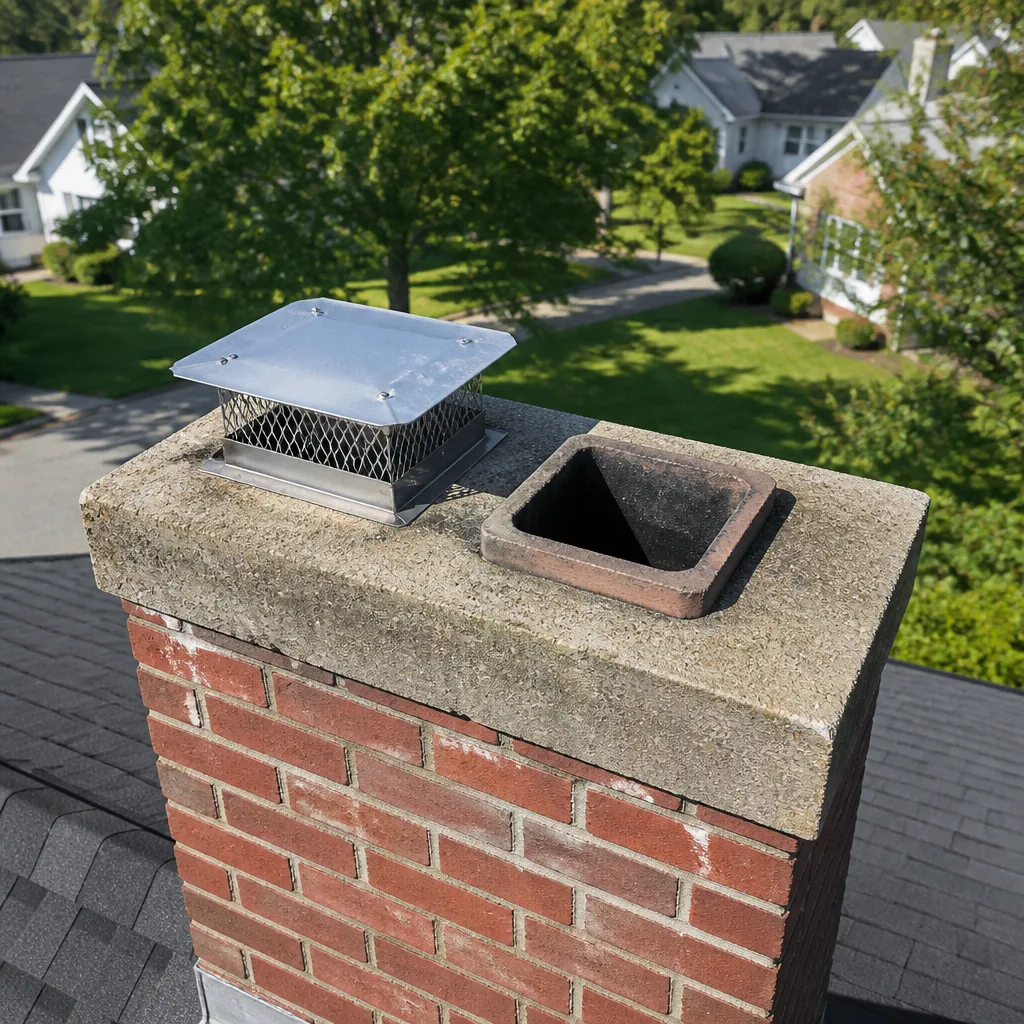
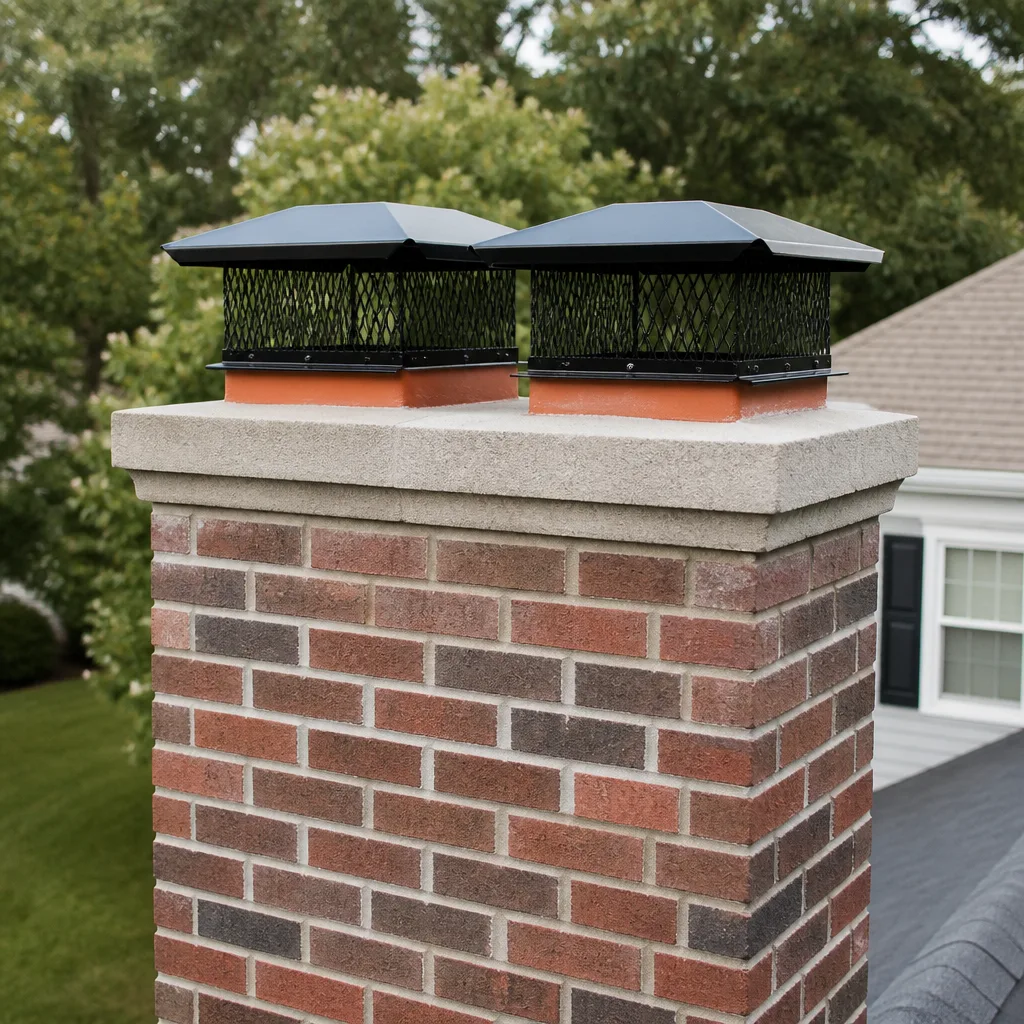
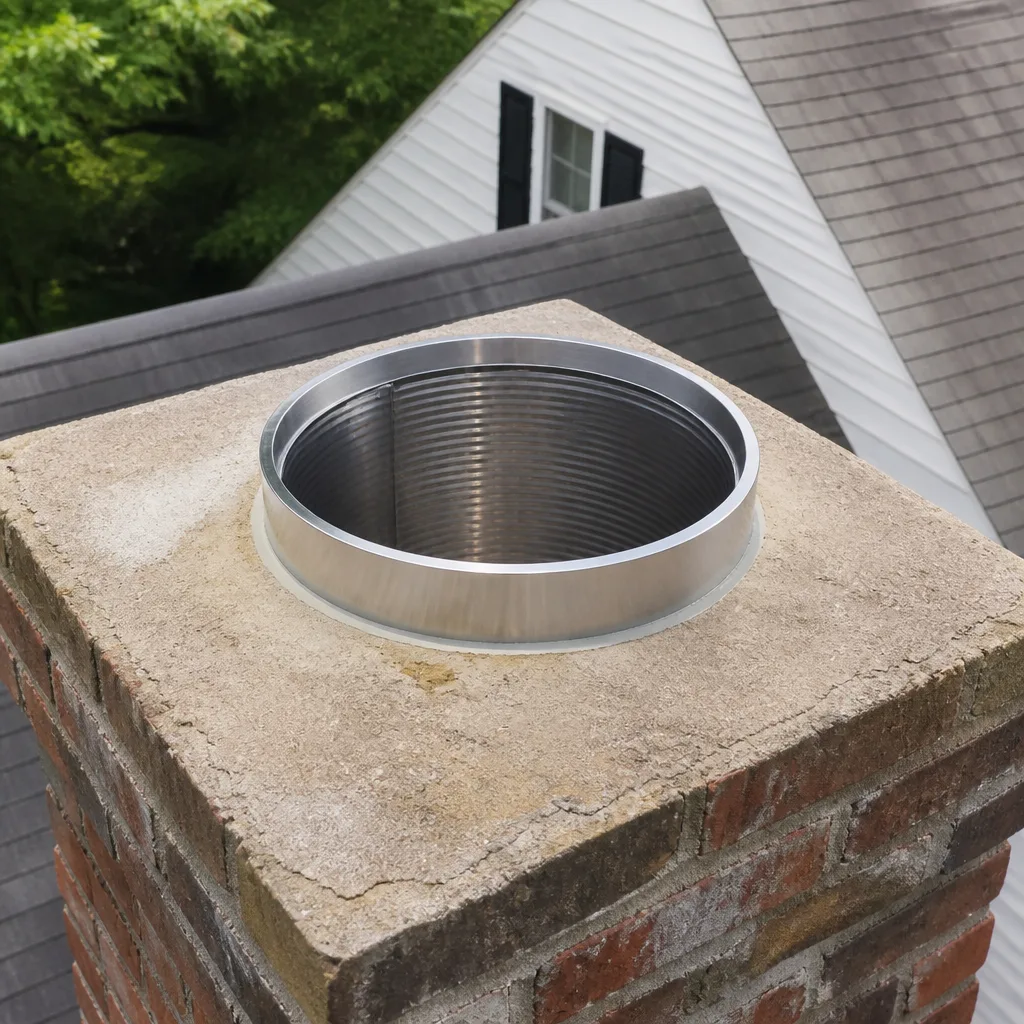
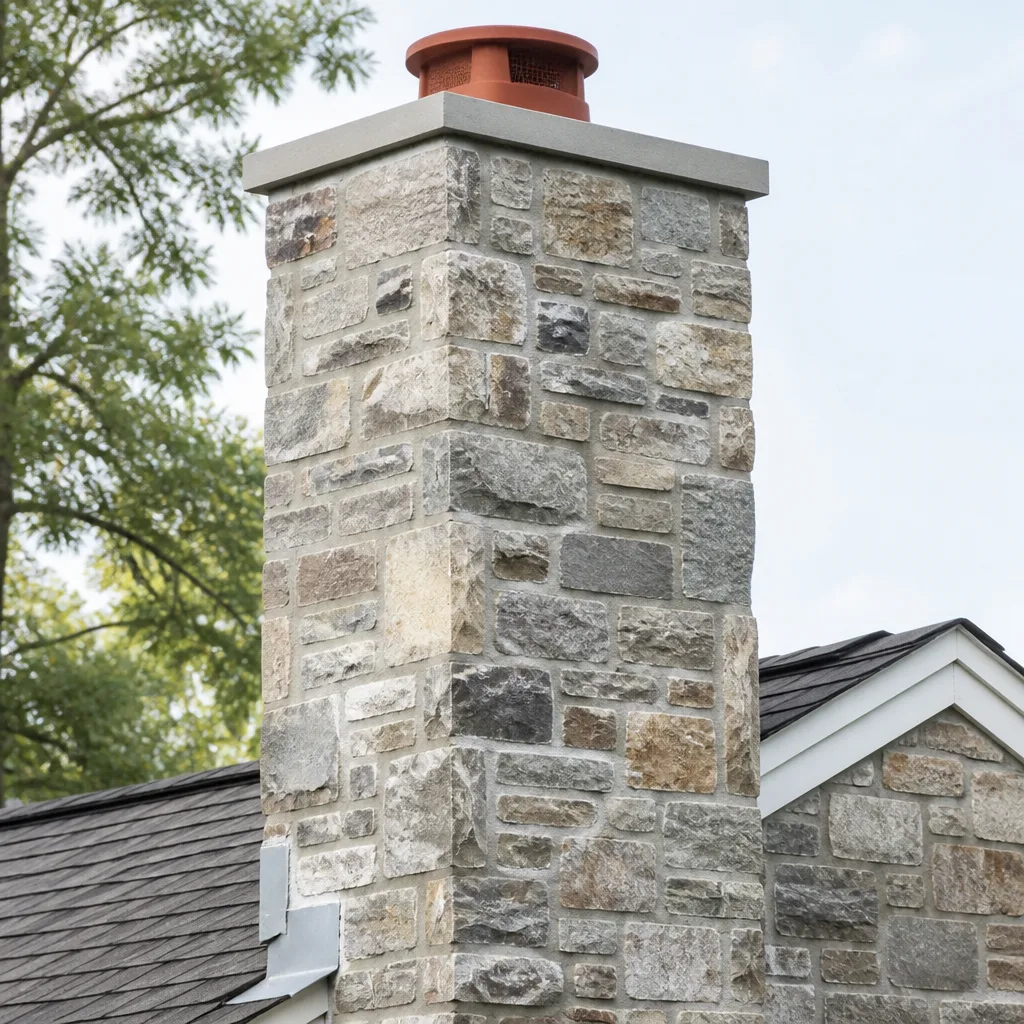
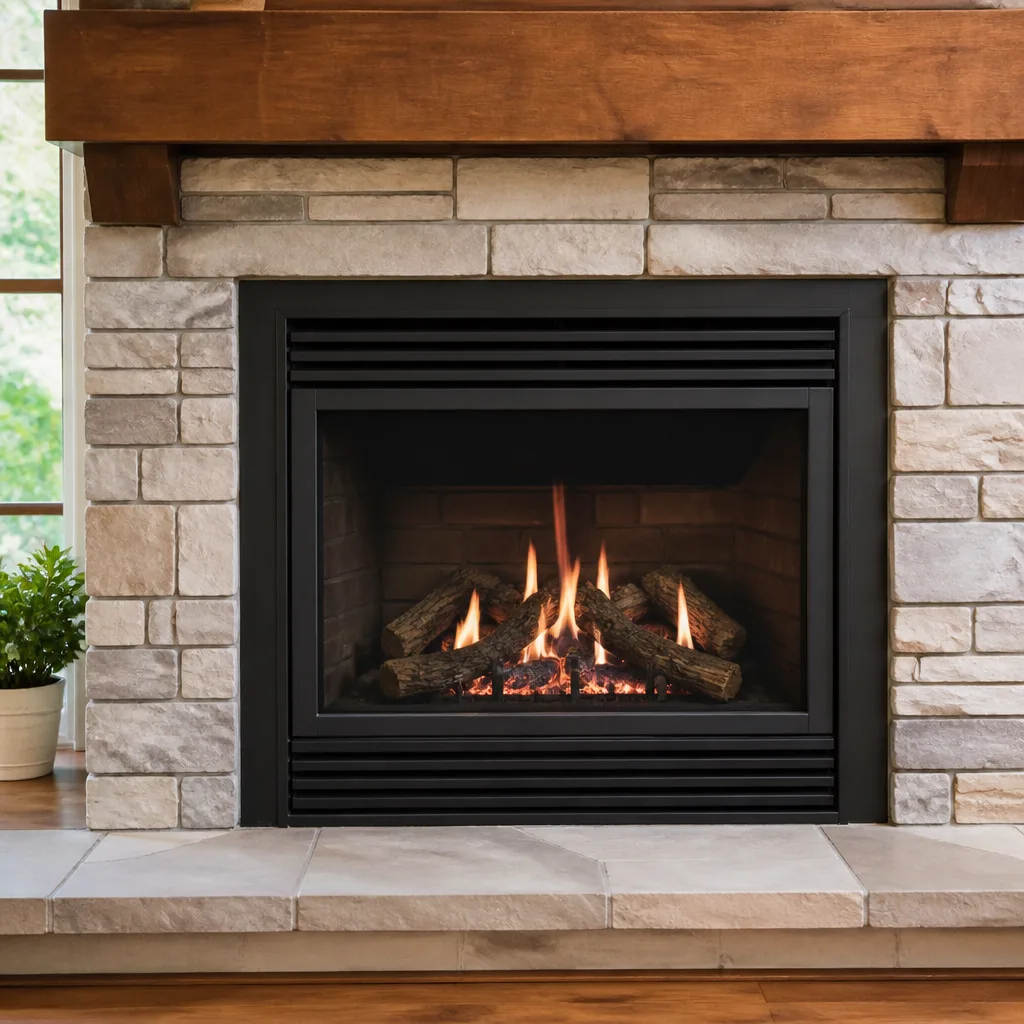
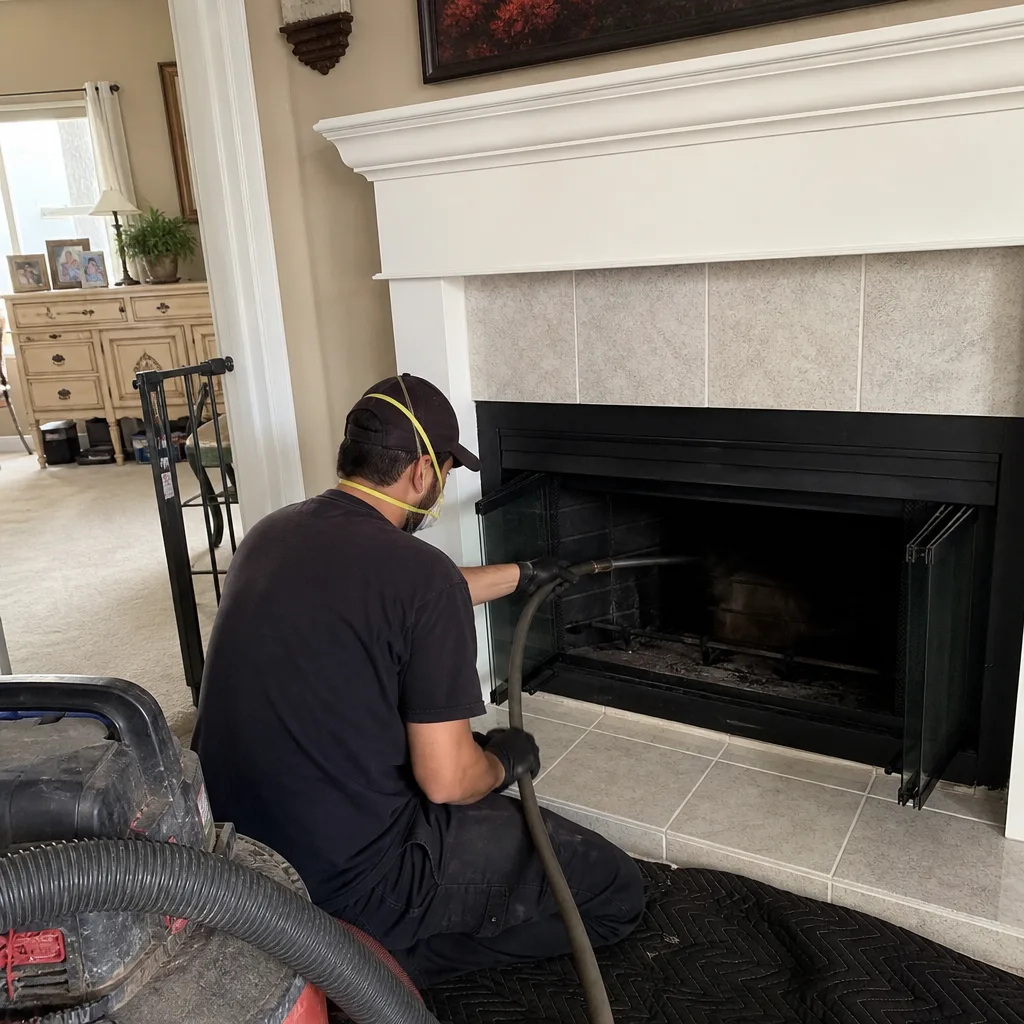
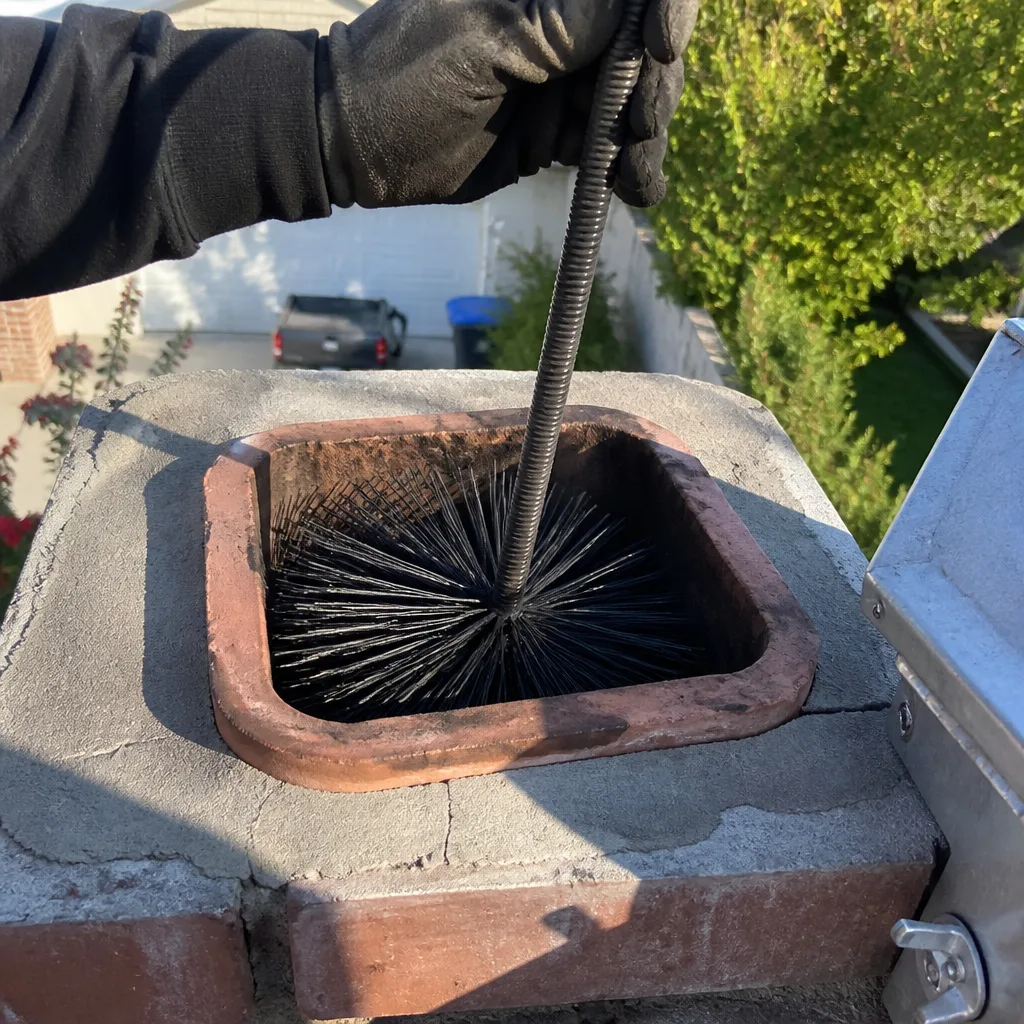
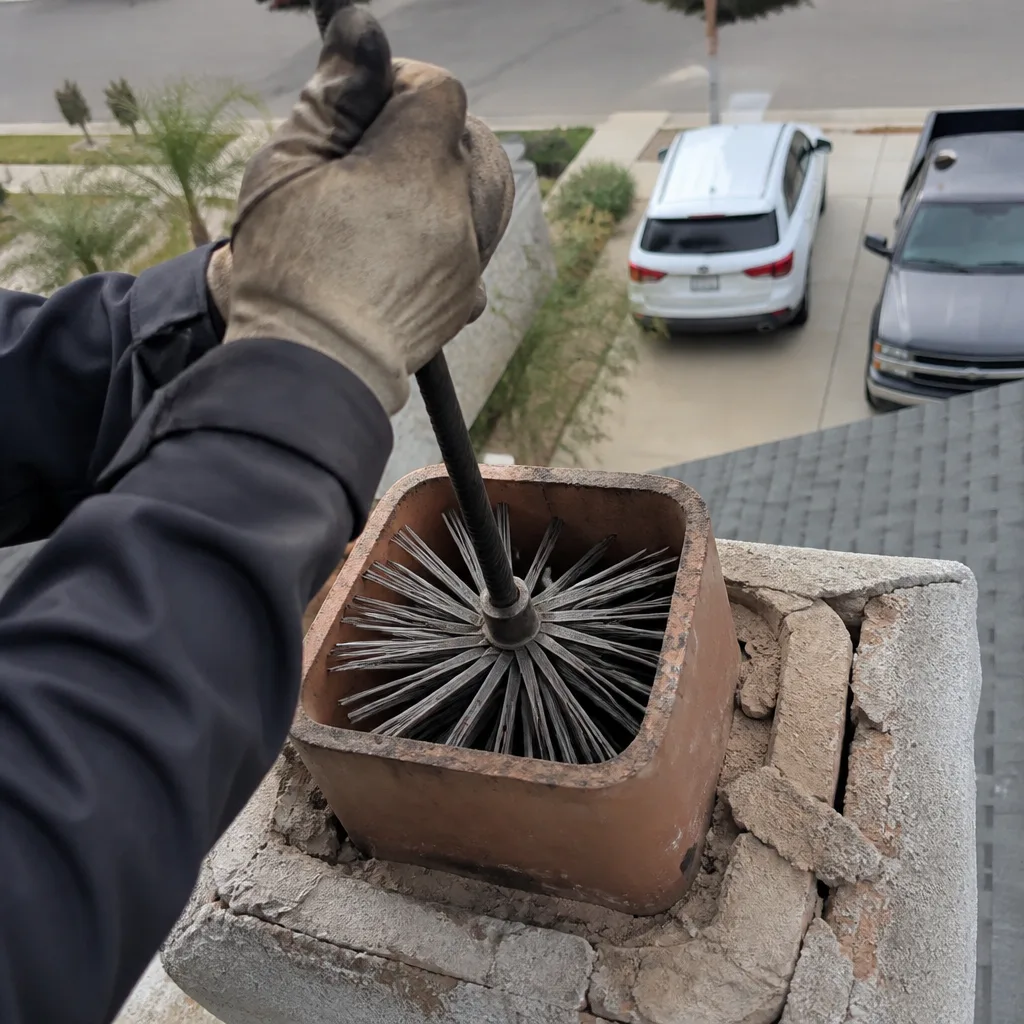
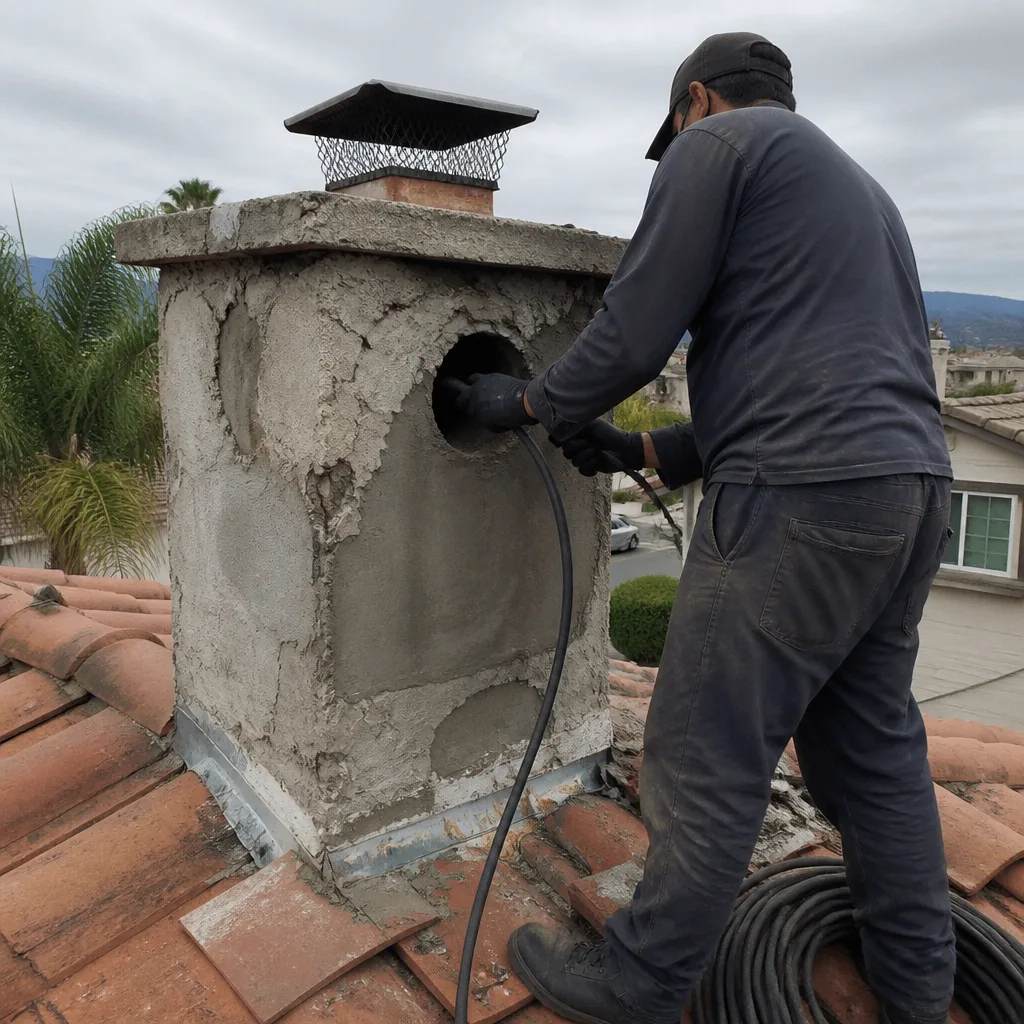 Before
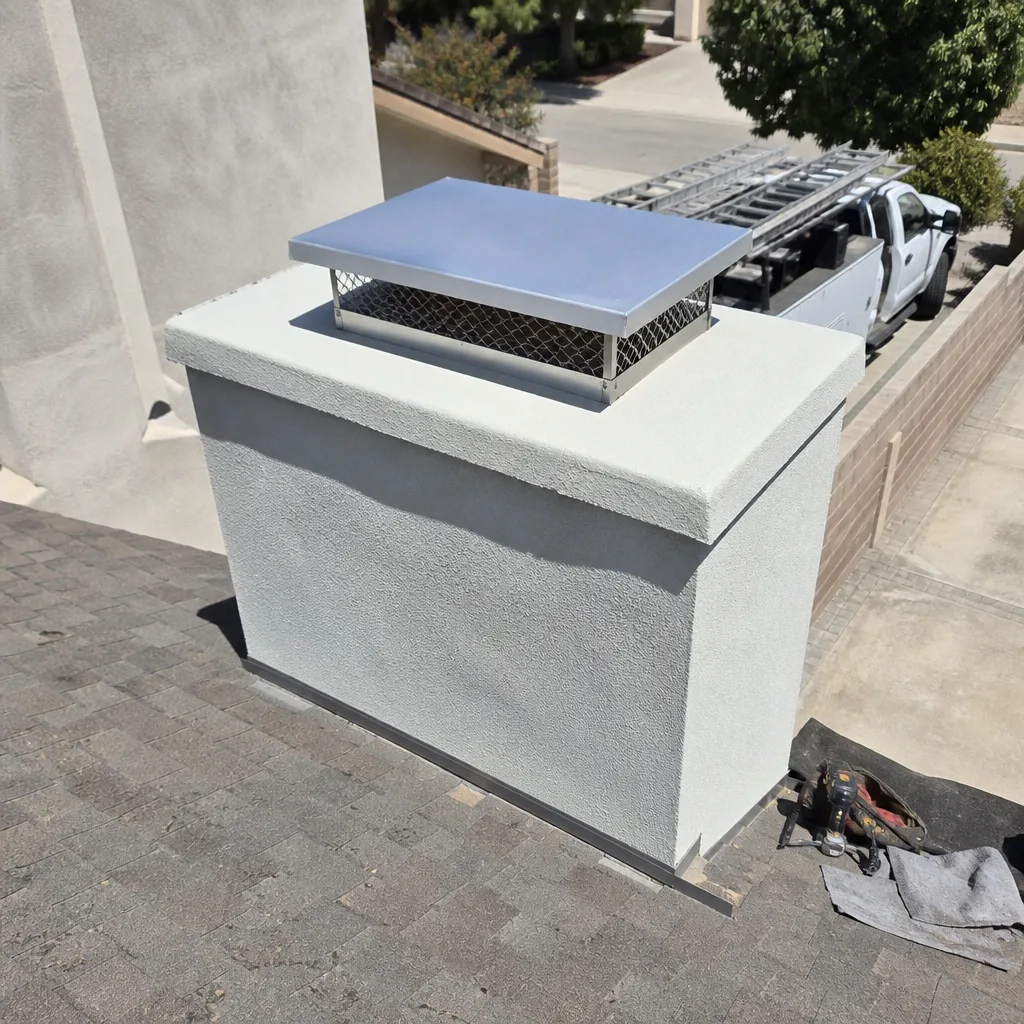 After
After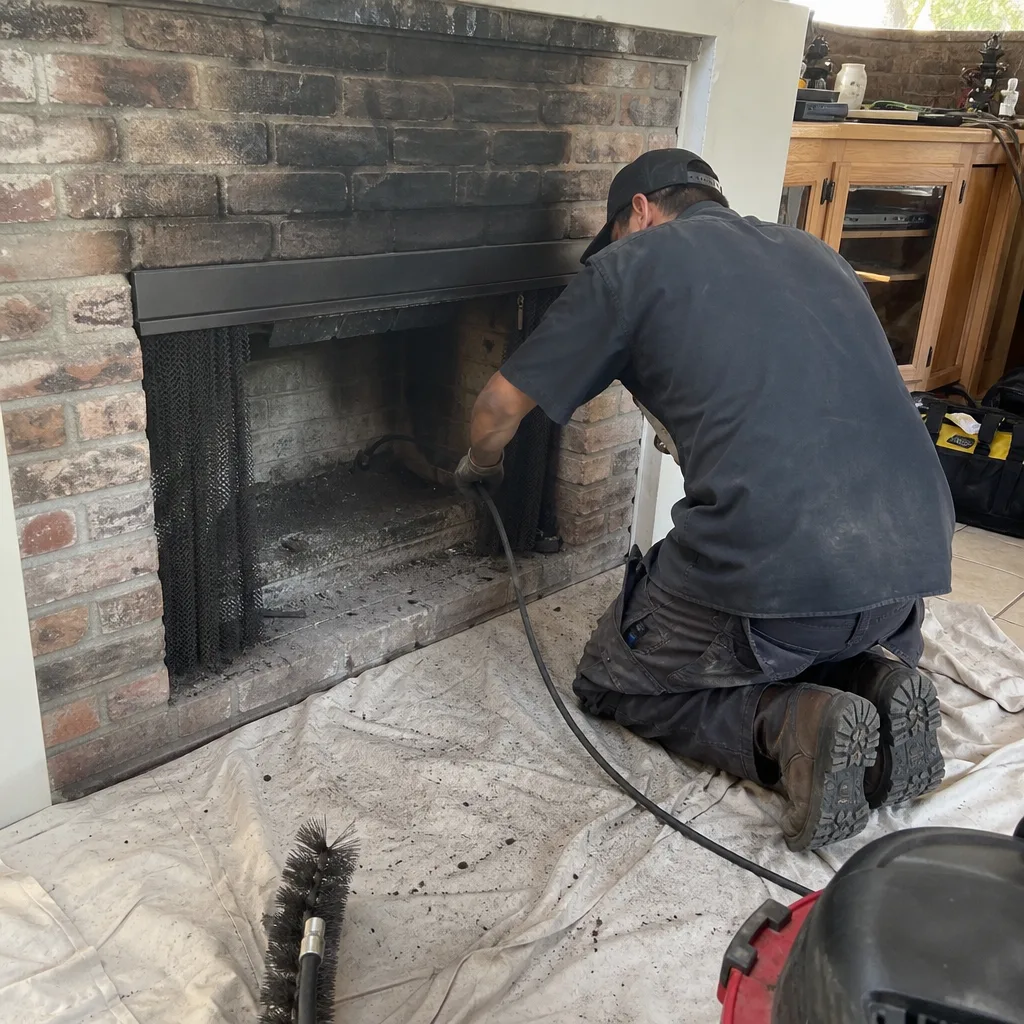 Before
 After
After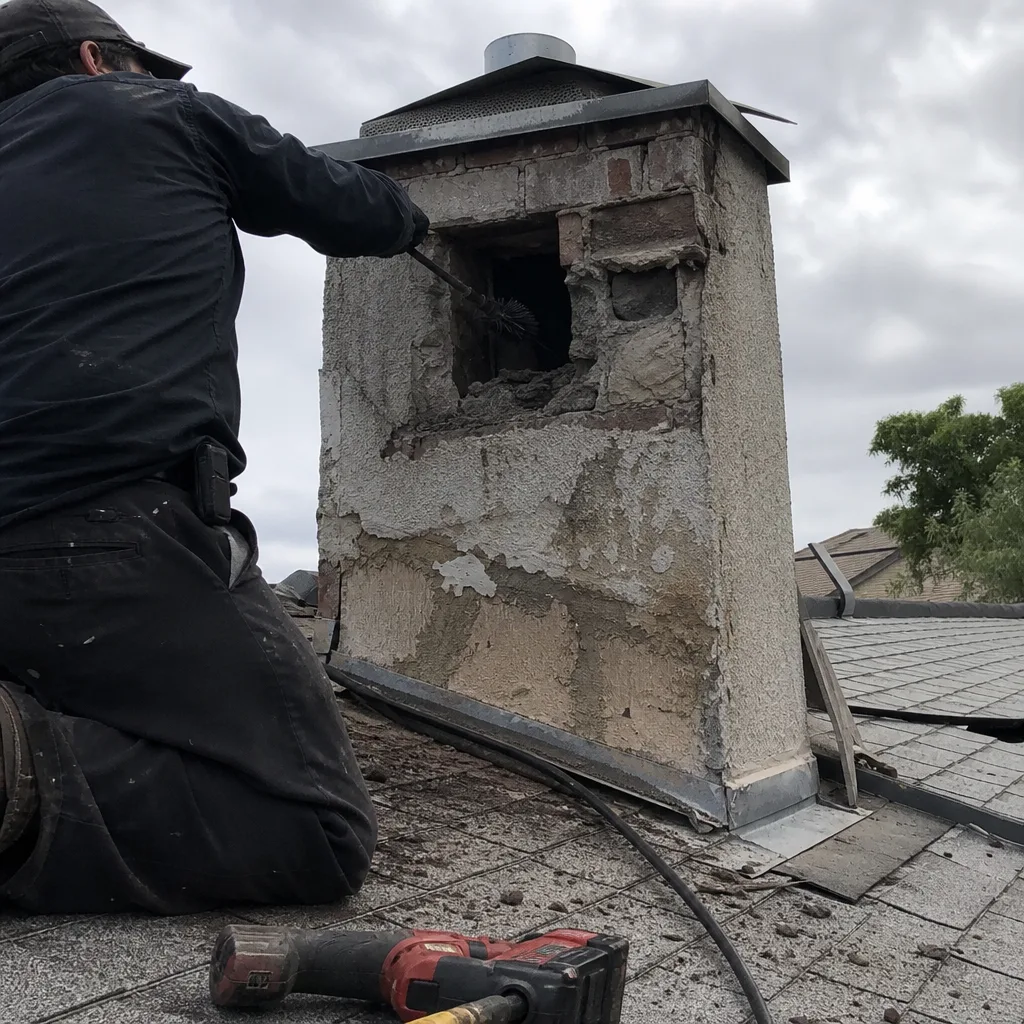 Before
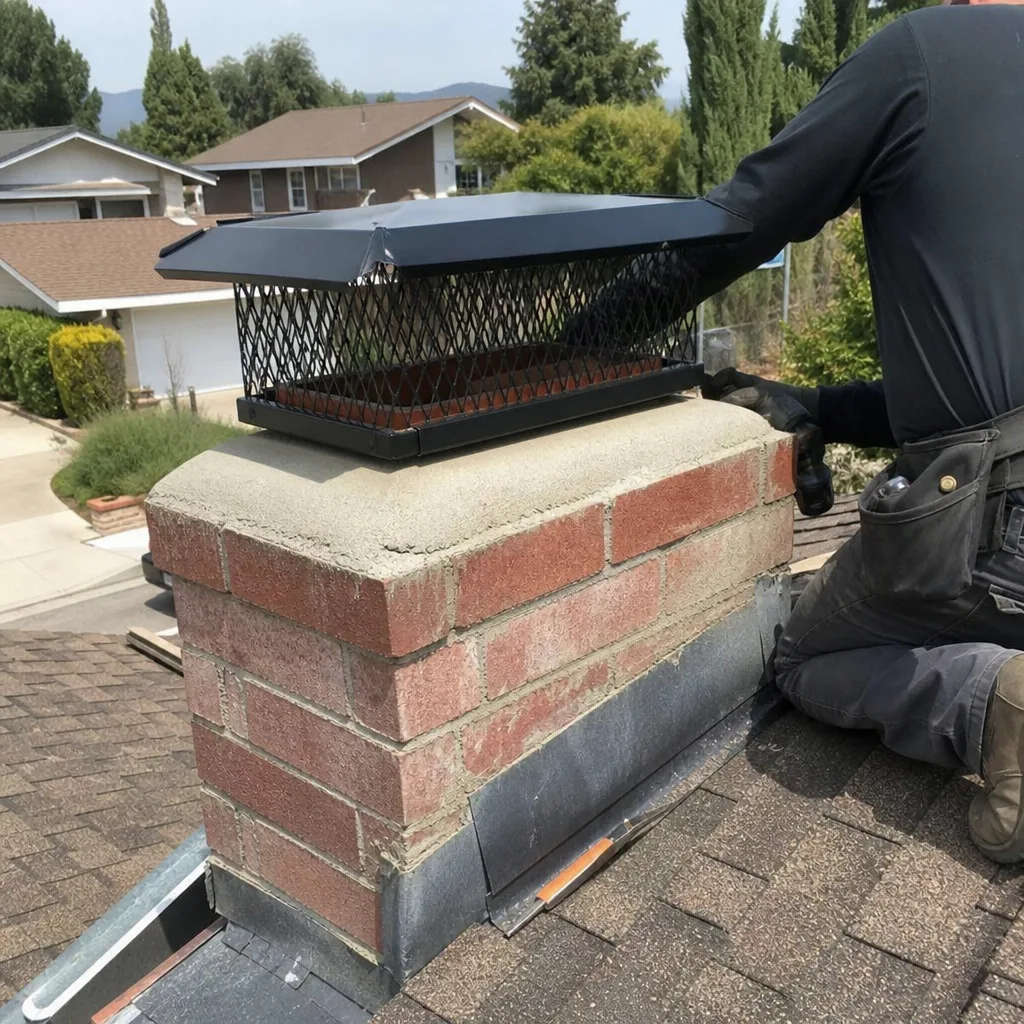 After
AfterDIY vs Professional Chimney Cleaning: The Rancho Cucamonga Homeowner’s Decision Guide
A homeowner who brushes their own flue has a clean chimney. A homeowner who pays a certified sweep for a Level 2 scan has a clean chimney and a dated, signed record that satisfies California’s real estate disclosure requirements under Civil Code 1102. Those are not the same asset. In Rancho Cucamonga, where Santa Ana winds drive creosote buildup faster than coastal climates and where home sales in neighborhoods like Alta Loma and Etiwanda routinely trigger disclosure disputes, the documentation gap between DIY and professional cleaning carries real financial weight. This guide breaks down exactly which tasks you can legally and safely handle yourself, which require professional certification to hold any value with insurers or buyers, and how to make the decision based on your actual situation - not generic advice from a more guides & resources page.
Quick Answer
Most Rancho Cucamonga homeowners can safely remove firebox ash, brush accessible damper plates, and vacuum loose soot from the smoke chamber themselves. However, only a certified chimney sweep with NFPA 211 Level 2 inspection credentials can produce the documented, photo-backed report that California insurers and real estate transactions recognize as valid proof of chimney condition. For a detailed look at pricing, see our Chimney Cleaning Cost Breakdown: The Rancho Cucamonga Homeowner’s Reference for 2026. The cost difference between DIY and professional cleaning is typically $140-$280 annually, but the professional route includes liability protection and transferable documentation that DIY cannot replicate.
Table of Contents
- What DIY Chimney Cleaning Actually Covers (and Where It Stops)
- California Legal and Insurance Documentation Requirements
- How Rancho Cucamonga’s Climate Affects Creosote Buildup
- Real Cost and Time Comparison: DIY vs. Professional Over 10 Years
- Three Scenarios Where DIY Cleaning Is the Right Choice
- Three Scenarios Where DIY Creates More Liability Than It Eliminates
- What a Professional Level 2 Inspection and Cleaning Actually Includes
- Common Mistakes to Avoid
- When to Call a Professional
- Frequently Asked Questions
BeforeAfterWhat DIY Chimney Cleaning Actually Covers (and Where It Stops)
Let’s be specific about what “DIY chimney cleaning” means in practice. We’re not talking about rebuilding a firebox or replacing a flue liner. We’re talking about the tasks a motivated homeowner with a fireplace tool set, a wire brush, and a shop vacuum can reasonably complete in an afternoon.
Tasks most homeowners can handle safely:
- Firebox ash and debris removal. Scooping cooled ash into a metal container, brushing down the firebrick, and checking for visible cracks or spalling (surface flaking caused by heat cycling). This is straightforward maintenance and carries minimal risk if the ash is fully cooled - we recommend 72 hours minimum.
- Damper cleaning and operation check. The throat damper sits above the firebox and regulates draft. Brushing off soot buildup, checking that it opens fully and seats closed, and applying a light lubricant to the hinge pin. A stuck damper is a common cause of smoke backup into the room.
- Smoke chamber brushing (limited reach). The smoke chamber is the area above the damper that funnels smoke into the flue. A homeowner with a basic chimney brush on extension rods can reach the lower portion. What you cannot reach - and cannot see - is the chamber slope and the area where it narrows into the flue throat. That’s where the most dangerous creosote deposits often form.
- Exterior visual inspection from ground level. Looking for obvious crown cracks, missing cap, or damaged brickwork. In Rancho Cucamonga’s freeze-thaw cycle (yes, it happens - December nights drop below 40°F regularly), spalling brick and deteriorating mortar are common. You can spot the problem. You cannot assess whether it has compromised the flue liner.
Where DIY stops - hard limits:
- Flue liner inspection. The flue liner is the critical safety barrier between combustion gases and your home’s structure. A homeowner cannot see its full length, cannot identify hairline cracks or tile joint gaps, and cannot assess whether it is rated for the appliance connected to it. A cracked liner in a Rancho Cucamonga home built during the 1980s-1990s construction boom is not rare - we’ve documented hundreds.
- Class III creosote removal. This is glazed, tar-like creosote that requires rotary chains or chemical treatment. It is also the most combustible form. Attempting to brush it out with a standard wire brush can polish it into a harder, more dangerous glaze - or knock it loose in chunks that obstruct the flue.
- Chimney cap, crown, or flashing work. Any work at roof height on a sloped surface. In our experience, falls from single-story Rancho Cucamonga roofs during “quick” chimney maintenance are more common than fireplace injuries.
- Gas appliance venting inspection. If your fireplace is gas-log equipped or you have a gas furnace water heater venting through the chimney, combustion analysis and draft testing require calibrated equipment.
The safety caveat: if your chimney has a metal or clay flue liner, do not attempt to remove buildup beyond what a standard brush can reach. A damaged liner can allow carbon monoxide into wall cavities or accelerate a chimney fire. When in doubt, a professional inspection is the conservative choice.
California Legal and Insurance Documentation Requirements
This is where the DIY vs. professional question shifts from “can I?” to “does it count?” In California, the answer is often no - DIY cleaning does not count where it matters most.
Homeowner’s insurance and the “professional inspection” clause:
San Bernardino County homeowner’s insurance policies, including those written for Rancho Cucamonga properties, typically contain language in the fire damage section that limits or excludes coverage for chimney-related fires unless the chimney has been “professionally inspected and maintained” within a specified period - usually 12 or 24 months. The critical term is “professional.”
In the claims context, “professional” does not mean “competent homeowner.” It means a person or company with:
- Active business licensing in California (C-29 masonry or C-61 specialty contractor classification, or equivalent)
- Liability insurance specific to chimney and fireplace work
- Documentation of inspection methodology, typically referencing NFPA 211 standards
- A written report with date, findings, and signature
A self-cleaned flue with no documentation, or with a personal logbook entry, does not satisfy this requirement. We have reviewed denied claims where the homeowner had cleaned the chimney annually for a decade but could not produce a professional inspection record. The insurer’s position: without third-party documentation, the condition of the chimney at the time of loss is unverifiable.
California Civil Code 1102 and real estate disclosure:
Sellers of residential property in California must disclose known material defects, including chimney condition, on the Transfer Disclosure Statement (TDS). A chimney with active leaks, visible damage, or a history of problems must be disclosed. But what about a chimney that appears fine?
Here’s where documentation becomes protective. A seller with a current NFPA 211 Level 2 inspection report can:
- Disclose the report date and findings transparently
- Demonstrate due diligence with a third-party professional assessment
- Shift liability for undiscovered latent defects to the inspection company (within the limits of their errors and omissions coverage)
A seller with only DIY cleaning records has none of this protection. For step-by-step guidance on hiring the right professional, see our How to Hire a Chimney Cleaning Contractor in Rancho Cucamonga: A Step-by-Step Guide. In Rancho Cucamonga’s competitive market, where Etiwanda and Alta Loma sales often involve buyer inspections that uncover issues the seller genuinely didn’t know about, a Level 2 report from a recognized sweep is a defensive document. Clause 4 of the Haven Standard requires a photo record on every job - that archive has resolved more than one post-sale dispute by showing exactly what the flue looked like on the date of inspection.
What a DIY record cannot satisfy:
- Insurance “professional inspection” requirements
- Buyer demands for third-party chimney assessment in purchase negotiations
- Legal standards of care in negligence claims following a fire or CO incident
- Lender requirements for certain mortgage products (notably FHA 203(k) and some jumbo products)
How Rancho Cucamonga’s Climate Affects Creosote Buildup
The Inland Empire’s climate is not neutral to chimney performance. It actively shapes how quickly creosote accumulates and what type forms.
Rancho Cucamonga sits at roughly 1,200 feet elevation with a semi-arid climate. Summer temperatures exceed 100°F regularly; winter nights drop into the 30s. This temperature swing creates thermal stress on chimney materials, but more significantly for cleaning frequency, the Santa Ana wind patterns affect combustion behavior.
When Santa Ana conditions blow - typically October through March, with peak frequency in December and January - the strong, dry, offshore winds create unusual draft patterns. A fireplace that drafts normally in calm conditions may backdraft or burn incompletely during Santa Ana events. Incomplete combustion produces more creosote. We’ve documented cases in North Rancho Cucamonga where homeowners who burned the same wood type and quantity year-round saw 40% faster creosote accumulation during high Santa Ana periods. For year-round maintenance strategies, see our Seasonal Chimney Cleaning Care for Rancho Cucamonga: Year-Round Homeowner’s Guide.
The dry climate also means wood seasoning is faster but potentially deceptive. Wood that reads dry on a moisture meter may still contain enough residual moisture to burn cooler than expected, again increasing creosote. In our experience, Rancho Cucamonga homeowners who source firewood from local suppliers (common in the foothill areas near the Angeles National Forest boundary) often receive oak or pine that is technically seasoned but not optimally dry for clean combustion.
Local implications for DIY cleaning:
- Buildup may be more rapid than standard “once per cord” rules suggest
- The creosote formed during Santa Ana periods tends to be harder and more glazed, harder to remove with standard brushing
- Annual professional assessment is more valuable here than in milder coastal climates where buildup is slower and more uniform
Real Cost and Time Comparison: DIY vs. Professional Over 10 Years
Let’s put actual numbers on this. The following ranges reflect Rancho Cucamonga market conditions as of 2024-2025.
DIY route - first-year costs:
- Basic chimney brush and extension rods: $35-$65
- Fireplace tool set (if not owned): $40-$120
- Shop vacuum with HEPA filter (ash-rated): $80-$150
- Drop cloths, dust masks, safety glasses: $25-$40
- Creosote-removing chemical (optional, for glazed buildup): $25-$40
- First-year total: $205-$415
DIY route - ongoing annual costs:
- Brush replacement (every 2-3 years): $15-$25
- Creosote chemicals as needed: $25-$40
- Filter replacement: $15-$25
- Ongoing annual: $30-$65
Professional sweep with Level 2 inspection in Rancho Cucamonga:
- Standard sweep with NFPA 211 Level 2 camera inspection: $280-$420
- Frequency: annually for wood-burning fireplaces per NFPA 211; every 2-3 years for gas appliances with minimal use
- Typical homeowner with regular wood use: $280-$420/year
Ten-year comparison (active wood burner):
| Approach | 10-Year Cost | Documentation Value | Insurance/Disclosure Recognition |
|---|---|---|---|
| DIY only | $475-$965 | None | None |
| Professional annual | $2,800-$4,200 | Complete archive | Full recognition |
| DIY + pro every 3 years | $1,315-$2,260 | Periodic records | Partial; gaps may be questioned |
The annualized cost difference between pure DIY and professional service is $233-$355 per year. For that, the professional route includes:
- Camera-scan documentation of flue liner condition (Haven Standard Clause 4)
- Written price before work starts, written scope, written warranty (Haven Standard Clause 1)
- Detection of problems a homeowner cannot see: liner cracks, crown deterioration, water intrusion points
- Transferable records for insurance or sale purposes
The hybrid approach - DIY maintenance with professional inspection every 2-3 years - is economically rational for some homeowners but carries the documentation gap risk. A fire or sale in an “off” year leaves you without current professional records.
Three Scenarios Where DIY Cleaning Is the Right Choice
We’re not here to sell every homeowner a service they don’t need. There are specific conditions where DIY maintenance is genuinely appropriate.
Scenario 1: Gas-only fireplace with minimal use.
If your Rancho Cucamonga home has a gas-log fireplace used fewer than 20 times per year, and the chimney serves no wood-burning appliance, annual professional sweeping is often unnecessary. Gas combustion produces minimal creosote. What you need is periodic visual inspection of the log set, burner ports, and venting - tasks a homeowner can handle. We still recommend a professional inspection every 3-5 years to check for deteriorating connections or venting issues, but annual DIY maintenance is reasonable.
Scenario 2: Experienced wood burner with recent professional baseline.
You had a Level 2 inspection in the past 12 months. The flue liner was documented sound, creosote was minimal, and you burn only well-seasoned hardwood. You clean the firebox and lower smoke chamber yourself monthly during burning season, and you schedule professional service every 2-3 years. This is defensible - provided you do not skip the professional interval, and provided you call for service if burning behavior changes (smoke backup, odd odors, visible creosote flakes in the firebox).
Scenario 3: Interim maintenance between professional visits.
You had professional service in fall. Mid-season, after heavy use during a cold snap, you notice ash buildup affecting draft. Removing ash, brushing the firebox, and checking damper operation is appropriate homeowner maintenance. This is not “instead of” professional service; it is “in addition to.”
Three Scenarios Where DIY Creates More Liability Than It Eliminates
Conversely, there are conditions where DIY cleaning is actively harmful to your financial and legal position.
Scenario 1: Pre-sale preparation without professional documentation.
You are listing your Alta Loma or Etiwanda home. You clean the chimney yourself, note it on the TDS as “recently cleaned,” and a buyer’s inspector finds cracked flue tiles you couldn’t see. The buyer demands a $3,500-$8,000 liner replacement credit. You have no documentation of pre-existing condition, no third-party assessment to support a negotiation position, and your “cleaning” entry on the TDS may be construed as representing chimney fitness rather than merely cosmetic maintenance. A Level 2 inspection report before listing would have surfaced the issue on your terms, with time to address or price accordingly.
Scenario 2: Insurance claim following any chimney-involved fire.
A spark escapes, ignites nearby combustibles, and the fire department traces origin to the hearth area. Your insurer requests chimney maintenance records. You provide a personal log of DIY cleanings. The adjuster notes no professional inspection in the policy-required period. Coverage for the fire damage is limited or denied. The money you “saved” on professional service is dwarfed by uncovered repair costs. We’ve reviewed cases in Rancho Cucamonga and San Bernardino County where this exact sequence occurred.
Scenario 3: Rental property ownership.
California landlords have heightened duty-of-care obligations. If a tenant is injured or property is damaged due to chimney condition, your personal cleaning log carries no weight in negligence litigation. A plaintiff’s attorney will ask: “Did you hire a licensed professional?” The answer “no” opens liability exposure that proper documentation would close. For rental properties in Rancho Cucamonga, professional service with written records is not optional - it is risk management.
What a Professional Level 2 Inspection and Cleaning Actually Includes
To make an informed comparison, you need to know what the professional service entails. Not all sweeps deliver the same scope. The following describes what Chimney Sweep in Rancho Cucamonga should include when performed to NFPA 211 Level 2 standards.
Step-by-step process:
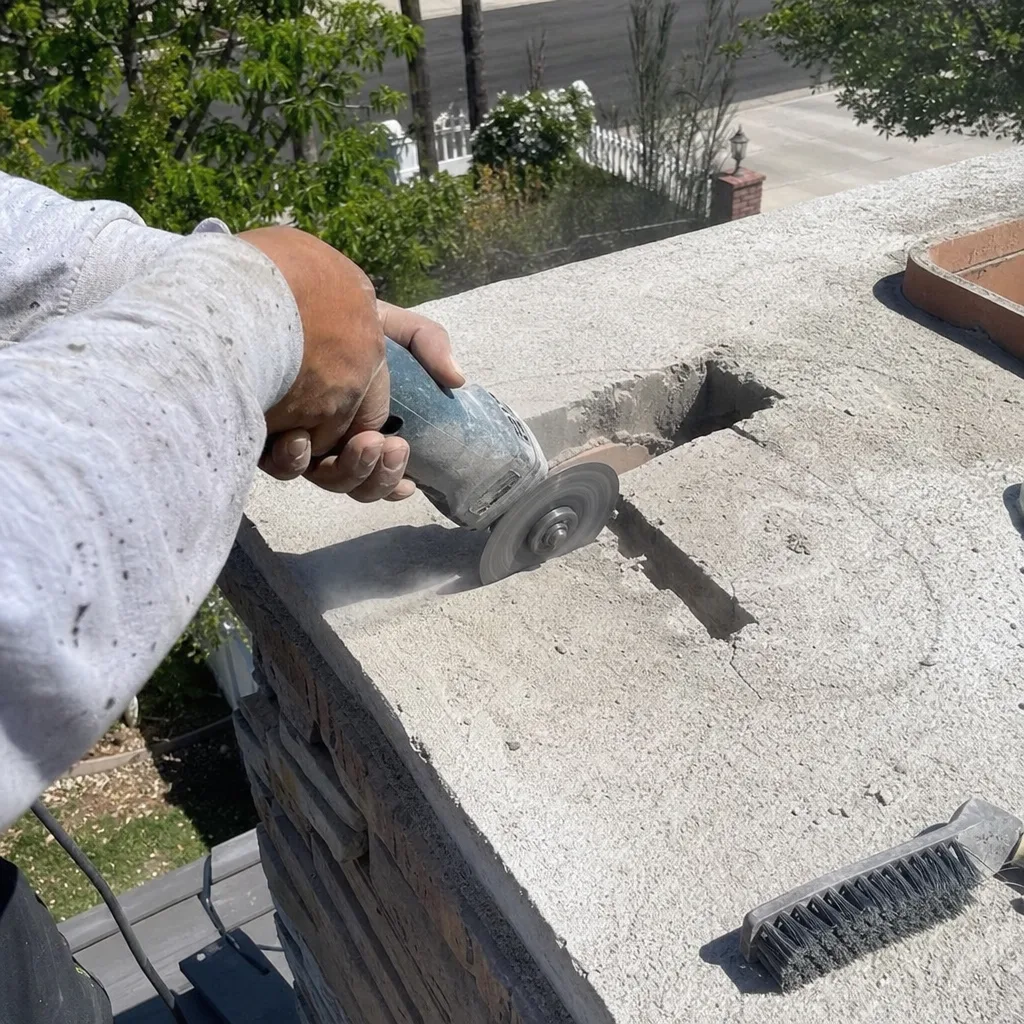
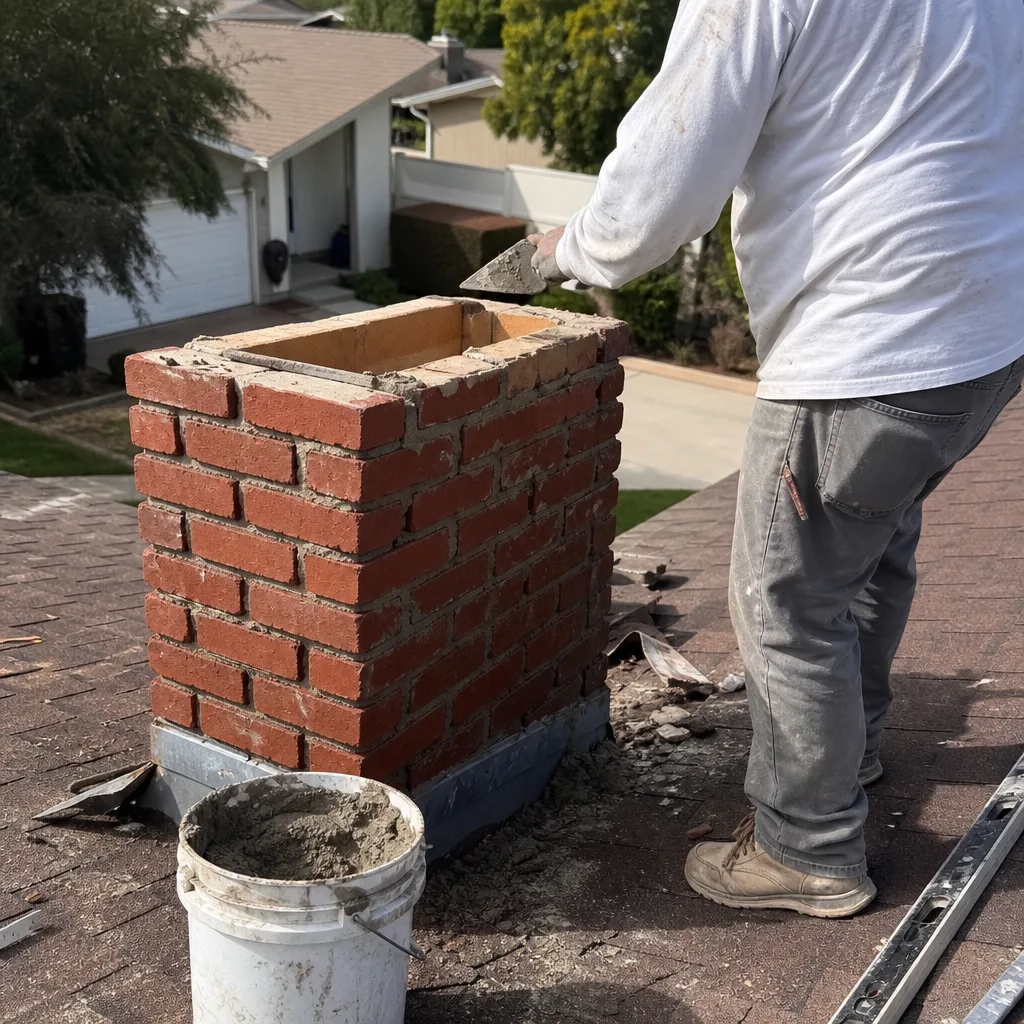
- Exterior assessment. Crown, cap, flashing, brick condition, and clearance to combustibles. In Rancho Cucamonga, we pay particular attention to crown integrity - the concrete crown is the chimney’s umbrella, and our dry summers followed by occasional heavy winter rains create ideal conditions for water intrusion through crown cracks.
- Interior firebox and smoke chamber. Visual inspection, measurement, and documentation of creosote class (Class I, II, or III - with Class III requiring specialized removal).
- Camera scan of flue liner. A high-resolution camera is run the full length of the flue. The technician observes and records liner condition: tile joints, mortar wash, cracks, spalling, glaze buildup, and obstructions. This is the core of Level 2 and the practice that became Haven Standard Clause 4 in 2009.
- Smoke chamber and damper detailed inspection. Including clearance measurements and condition of the chamber walls.
- Appliance connection and hearth area. Proper clearances, condition of gaskets, operation of glass doors or screens.
- Cleaning as indicated. Rotary brushing for creosote, debris removal, smoke chamber parge coating if deteriorated (using materials such as HeatShield or similar refractory products).
- Written report with photo documentation. Delivered to the homeowner, including findings, recommendations, and written price for any needed repairs before work begins.
The Emberly Chimney Cleaners Rancho Cucamonga home page details our specific process, but any sweep claiming Level 2 service should deliver comparable documentation. If they do not offer camera footage and a written report, they are not performing Level 2 inspection.
Materials we use for repairs, when needed, include DuraFlex stainless steel liners, HeatShield refractory systems for smoke chamber restoration, and Gelco cap and damper products - sourced through Haven’s buying network to maintain honest pricing without markup theater.
Common Mistakes to Avoid
- Assuming a clean firebox means a clean flue. The firebox is the easiest part to see and clean. Creosote accumulation in the upper flue, out of sight, is what creates chimney fire risk. We’ve inspected Rancho Cucamonga chimneys with pristine fireboxes and dangerous Class III glaze 15 feet up.
- Using a standard vacuum for ash. Ash contains fine particles that pass through standard filters and can damage the motor. Worse, embers hidden in ash can ignite debris in the vacuum. Always use an ash-rated vacuum with HEPA filtration, and wait 72 hours minimum after last burn.
- Brushing a damaged liner. If tiles are cracked or mortar is missing, brushing can dislodge material that obstructs the flue or falls into the smoke chamber. The correct sequence is inspect, then clean - not clean blindly.
- Ignoring the crown because “it looks fine from the ground.” In Rancho Cucamonga’s climate, crown deterioration often progresses from the top down. By the time cracking is visible from ground level, water has likely been entering the chimney structure for one or more seasons.
- Documenting DIY work as “inspection” in home records. A personal cleaning log has value for your own reference but should never be presented to insurers, buyers, or in legal contexts as equivalent to professional inspection. Misrepresentation carries consequences.
- Skipping service after a chimney fire. Even a small, self-extinguished chimney fire (often mistaken for “a loud noise” or “a lot of smoke”) can crack flue tiles or damage the liner. The chimney may look fine. It is not fine. Professional assessment is mandatory.
- Buying the cheapest sweep without verifying scope. A “sweep” that does not include camera inspection is not equivalent to a Level 2 service, regardless of price. The documentation gap remains.
When to Call a Professional
Call a certified sweep immediately if you notice smoke backing up into the room, a strong tar-like odor from the fireplace, visible creosote flakes falling into the firebox, or any change in draft behavior after weather events. If you are preparing to sell your Rancho Cucamonga home, schedule service before listing - not after the buyer’s inspection surfaces issues. If your homeowner’s insurance policy requires professional inspection documentation, maintain annual service without gaps.
Chimney Repair in Rancho Cucamonga and Fireplace Services in Rancho Cucamonga cover the full range of needs beyond cleaning, from liner replacement to damper repair. Emberly Chimney Cleaners Rancho Cucamonga offers free estimates in Rancho Cucamonga - call (909) 430-9243. Every estimate includes a written price, written scope, and written warranty before any work begins, per Haven Standard Clause 1. We also provide a Free Second Opinion on any competitor’s written estimate.
Frequently Asked Questions
A standard chimney sweep with NFPA 211 Level 2 camera inspection in Rancho Cucamonga typically costs $280-$420. This includes the full flue scan, photo documentation, written report, and cleaning as indicated. Repairs or specialized creosote removal are quoted separately in writing before work begins. Call (909) 430-9243 for an exact quote - estimates are free.
No. San Bernardino County homeowner’s insurance policies that require “professional inspection” documentation do not recognize self-performed cleaning. A licensed, insured sweep must perform the work and provide a dated, signed report. Without this, chimney-related fire claims may be limited or denied.
For wood-burning fireplaces with regular use (more than 20 fires per season), annually. For gas appliances, every 2-3 years unless manufacturer specifications require more frequent service. Rancho Cucamonga’s Santa Ana wind patterns can accelerate creosote buildup, so heavy wood burners may need more frequent assessment. The NFPA 211 standard is the governing reference.
Three things, progressively: creosote accumulation increases chimney fire risk (a chimney fire can reach 2,000°F and damage the liner); partial obstruction from debris or animal nesting reduces draft and can force carbon monoxide into living spaces; and moisture combined with acidic combustion byproducts deteriorates the flue liner and masonry. In Rancho Cucamonga’s older neighborhoods, we’ve seen liners fail from long-term neglect, requiring full replacement at $3,500-$8,000.
At Emberly Chimney Cleaners, no liner replacement is recommended without camera evidence you can see yourself. Clause 4 of the Haven Standard requires photo documentation on every job - we show you the crack, the gap, or the deterioration, and we explain what it means for safety and code compliance. If a sweep cannot or will not show you the problem, get a second opinion. Our Free Second Opinion on any written estimate is always available.
Level 1 is a visual inspection of readily accessible areas - what can be seen without tools or special equipment. Level 2 includes everything in Level 1 plus camera scan of the full flue liner, attic and crawl space access if safe, and inspection of appliance connections. Level 2 is required for real estate transactions, after chimney fires, or when changing appliance type. In our practice, Level 2 is the default because the camera reveals what visual inspection cannot.
Chimney cleaning logs contain chemicals that claim to reduce creosote buildup. They may alter the texture of light creosote deposits, making them somewhat easier to remove. They do not remove existing buildup, do not inspect for damage, and do not satisfy any insurance or disclosure requirement. They are not a substitute for mechanical cleaning or professional inspection.
The Bottom Line
The DIY vs. professional chimney cleaning decision in Rancho Cucamonga is not primarily about ability - it’s about documentation and liability. Most homeowners can perform basic firebox and damper maintenance safely. None can produce the certified, photo-backed, written record that California insurers and real estate transactions require. The annual cost difference is $233-$355, which buys not just cleaning but detectable proof of chimney condition, transferable protection in a home sale, and defensible documentation if something goes wrong. For the three scenarios where DIY makes sense, proceed with clear limits. For the three where it creates liability, professional service is the only rational choice. And in all cases, know what you’re getting: a flashlight look is not a Level 2 inspection, and a clean firebox is not a clean flue.
Written by Corrine Halstead, Owner at Emberly Chimney Cleaners Rancho Cucamonga, serving Rancho Cucamonga since 2009.