
Last updated September 22, 2026
Level 1 sweep and inspection to the NFPA 211 annual standard - flue, crown, cap, and flashing checked and photographed
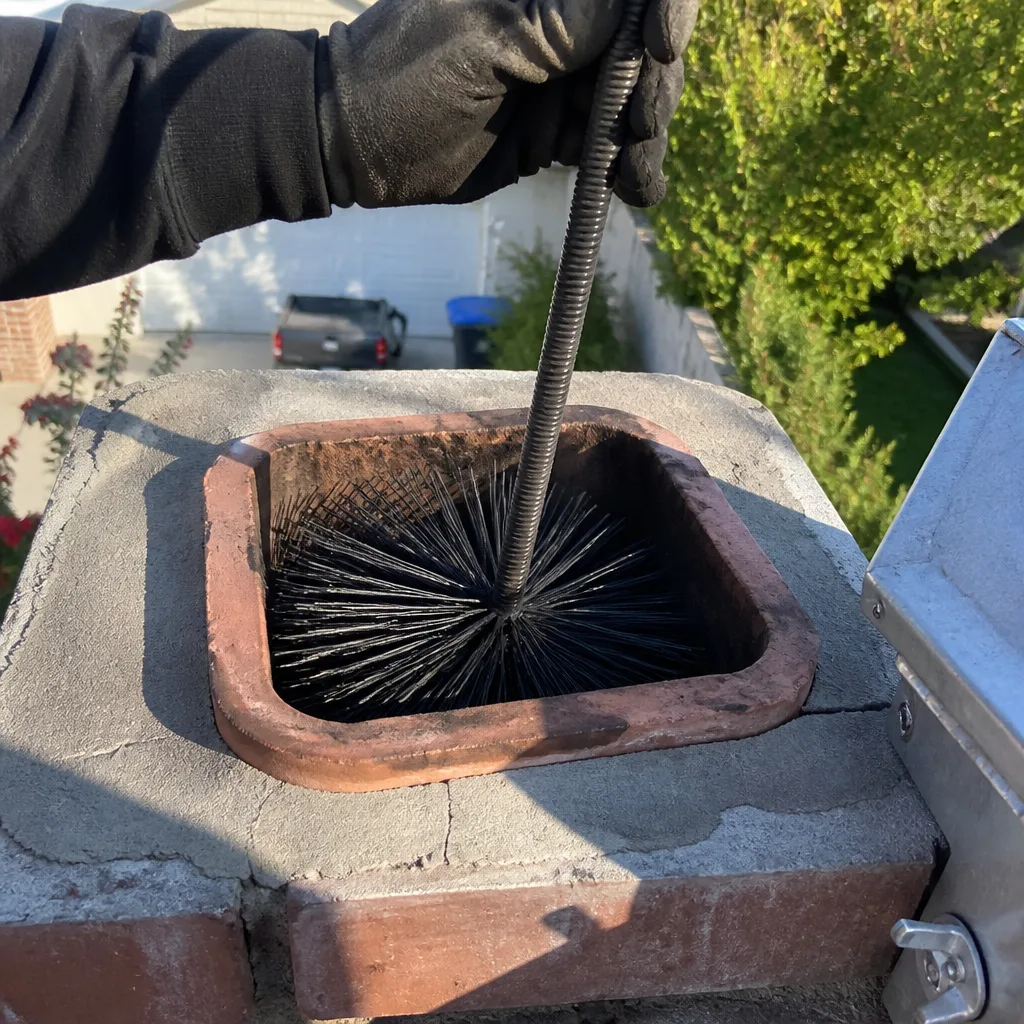
Chimney sweep logs do not sweep chimneys. They loosen some creosote - which then falls where a brush and vacuum still have to collect it.
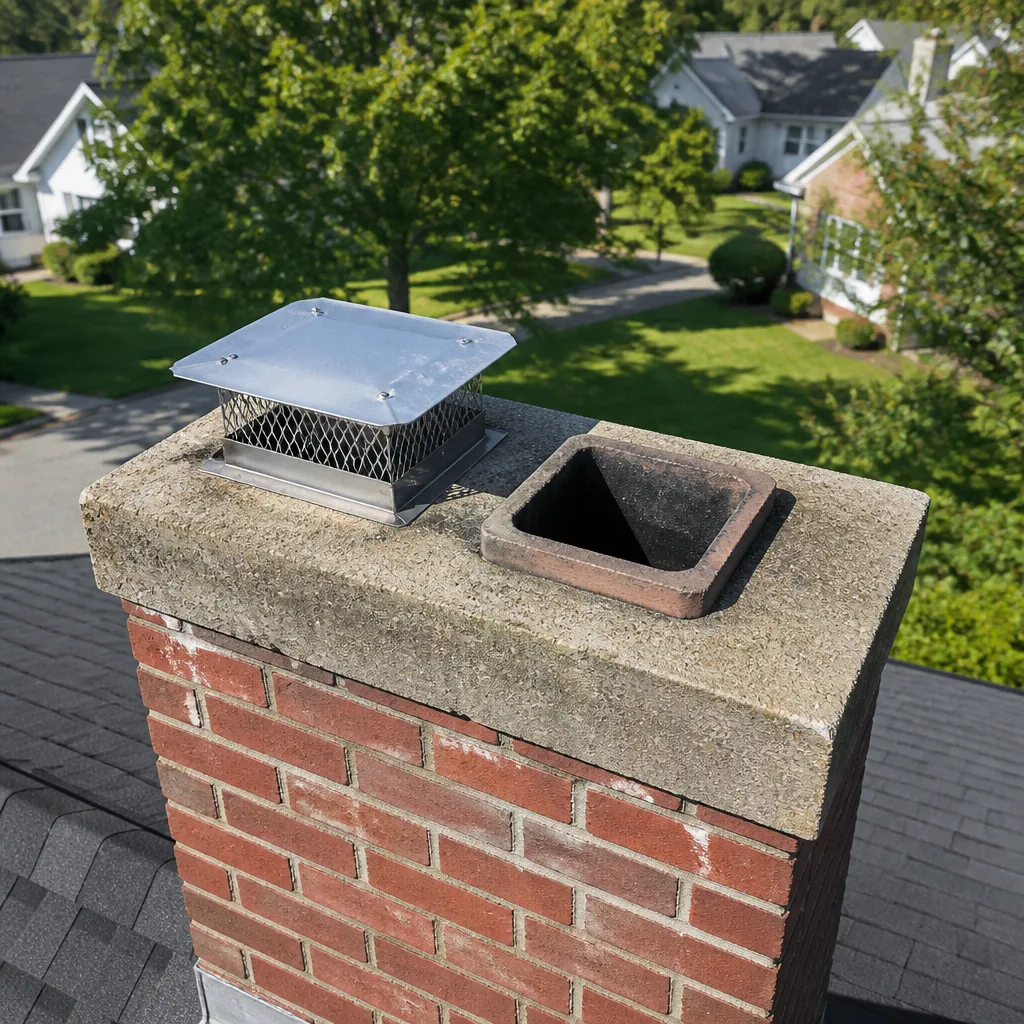
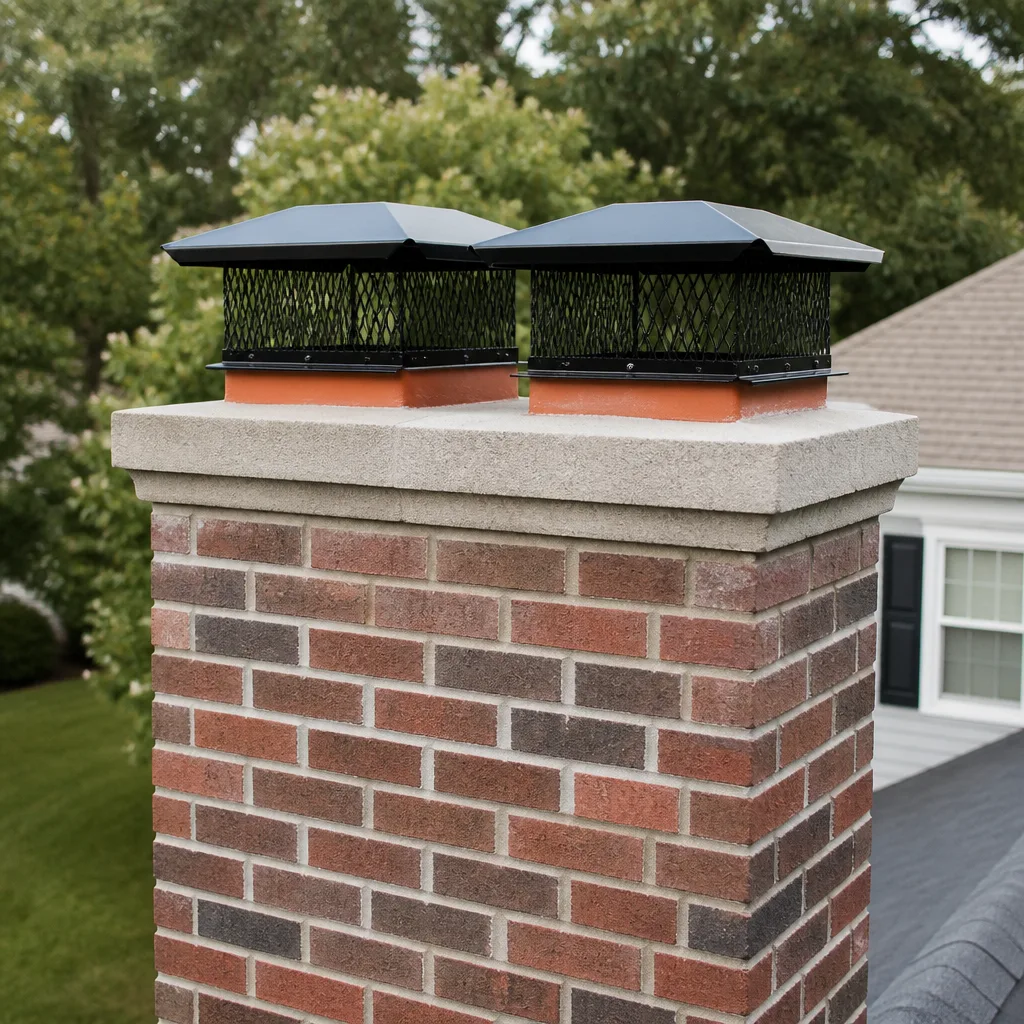
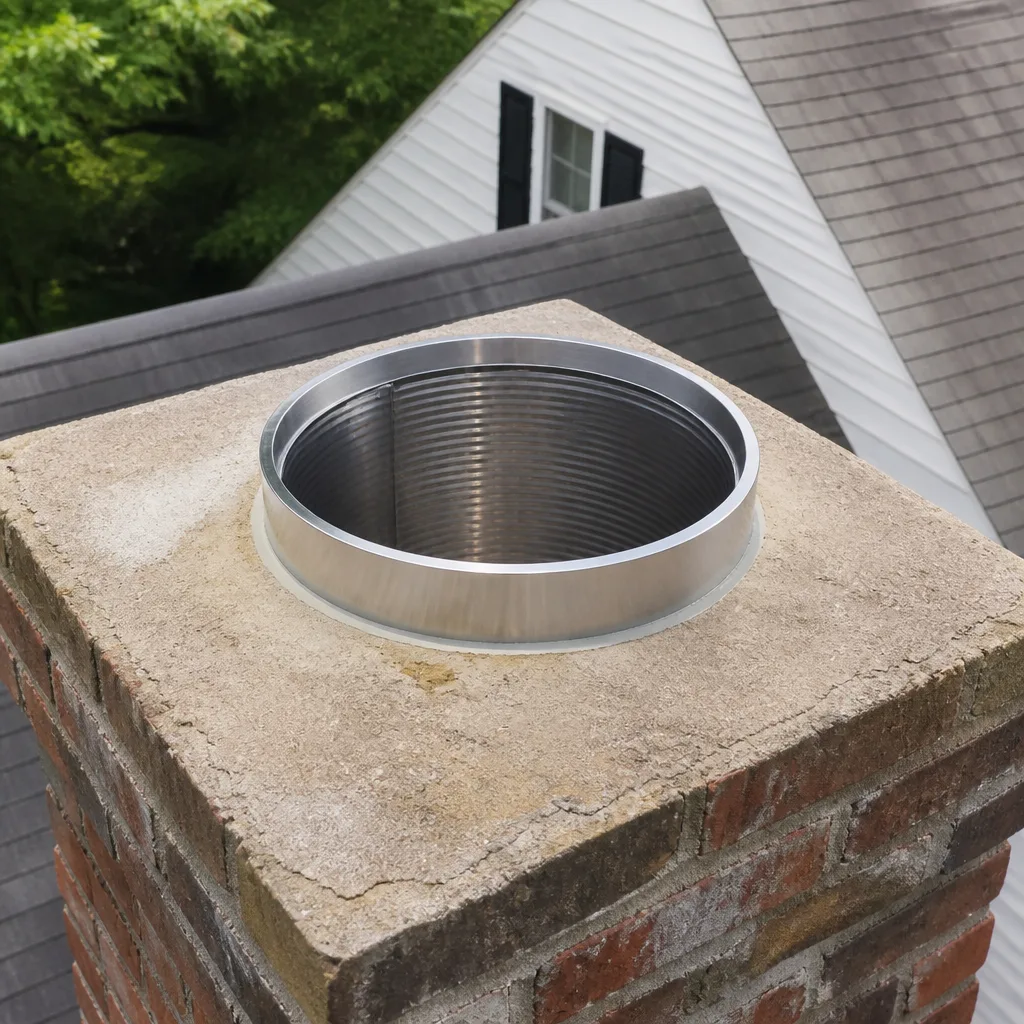
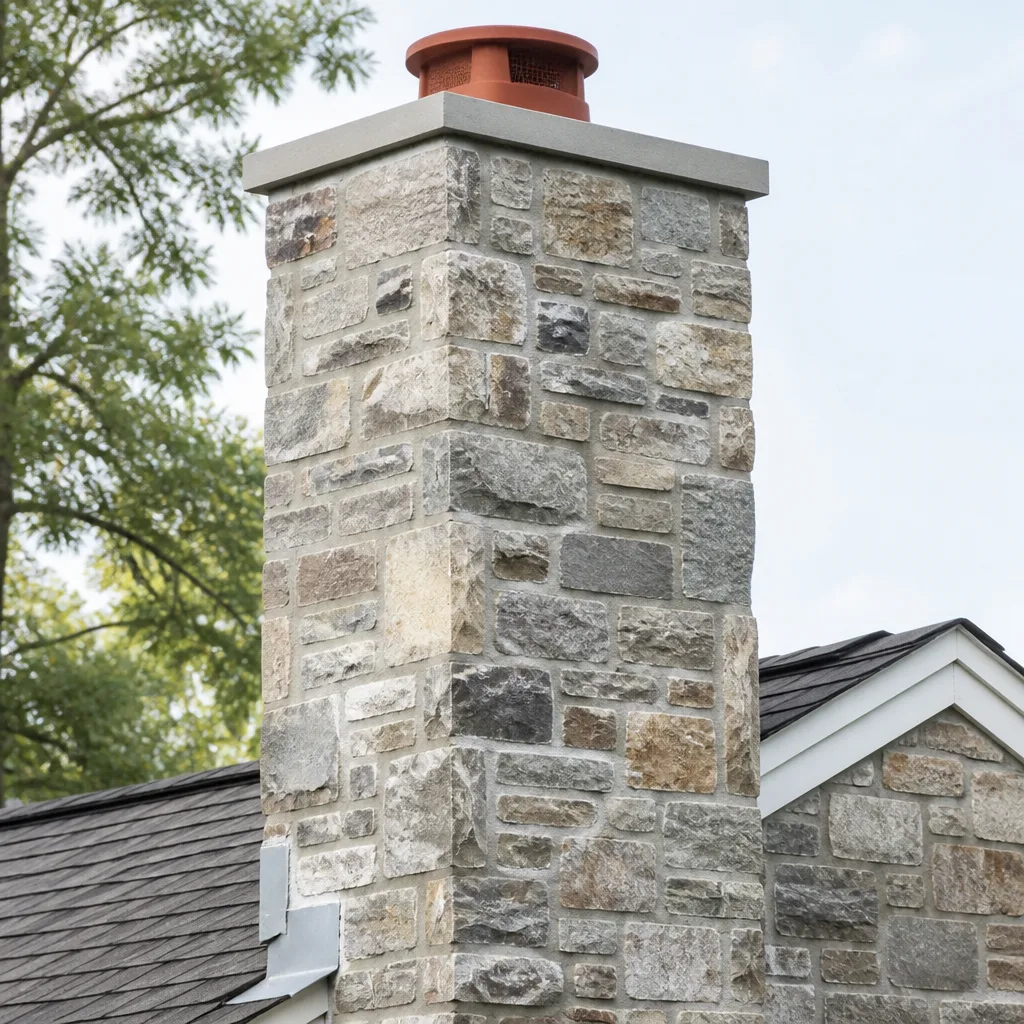
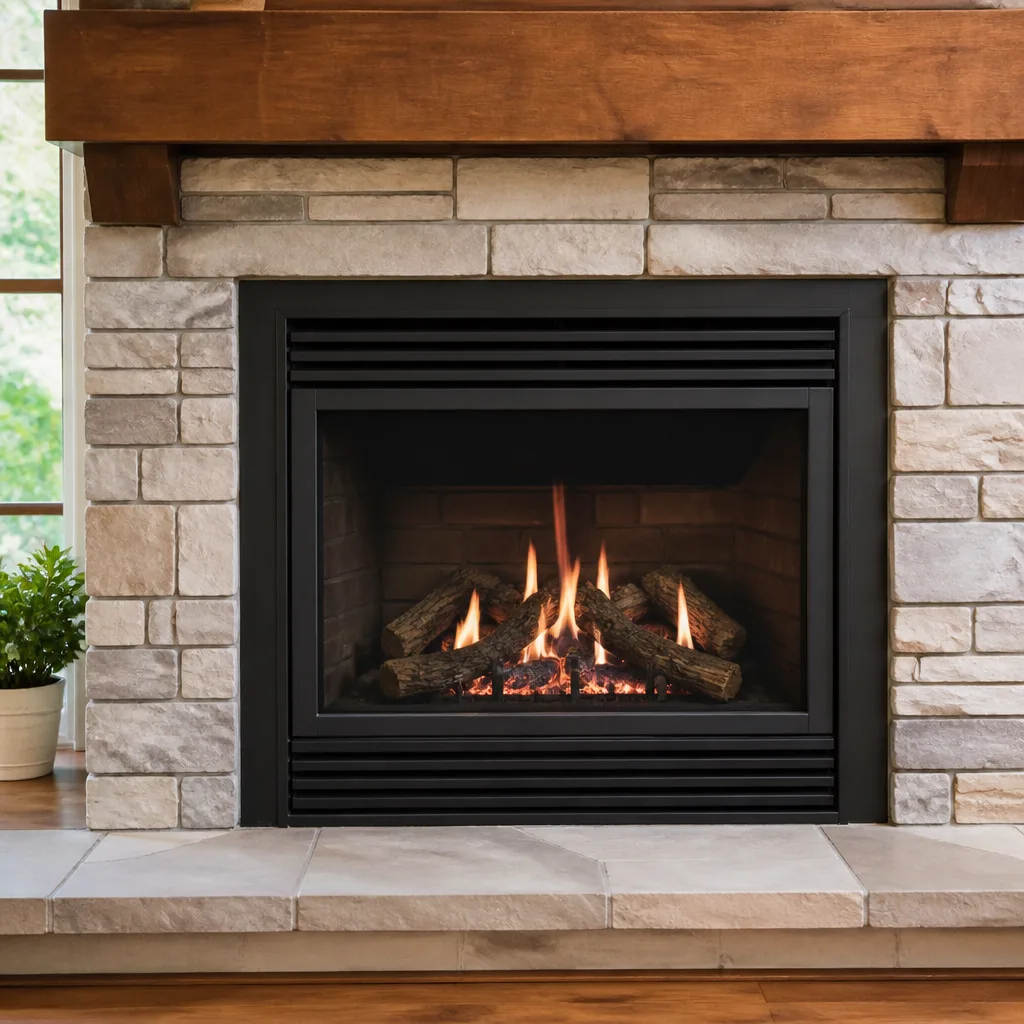
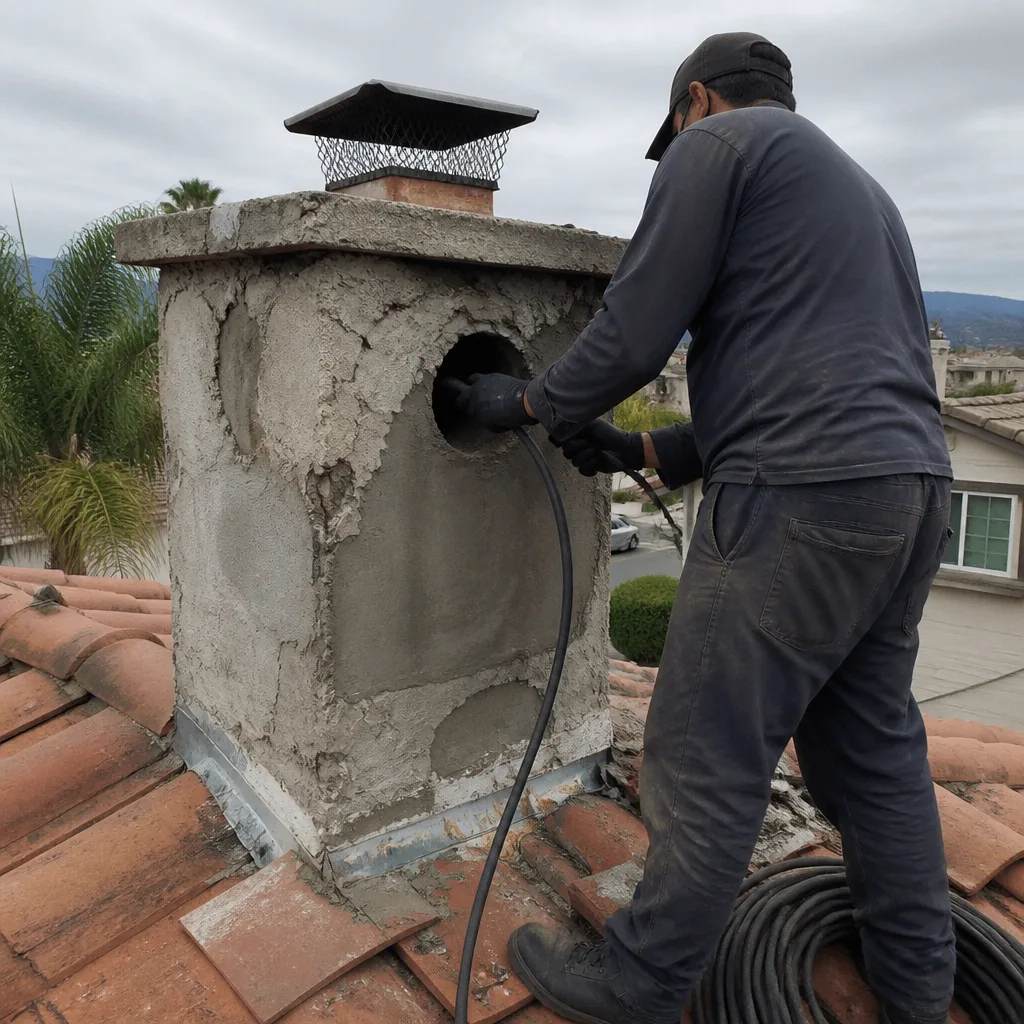 Before
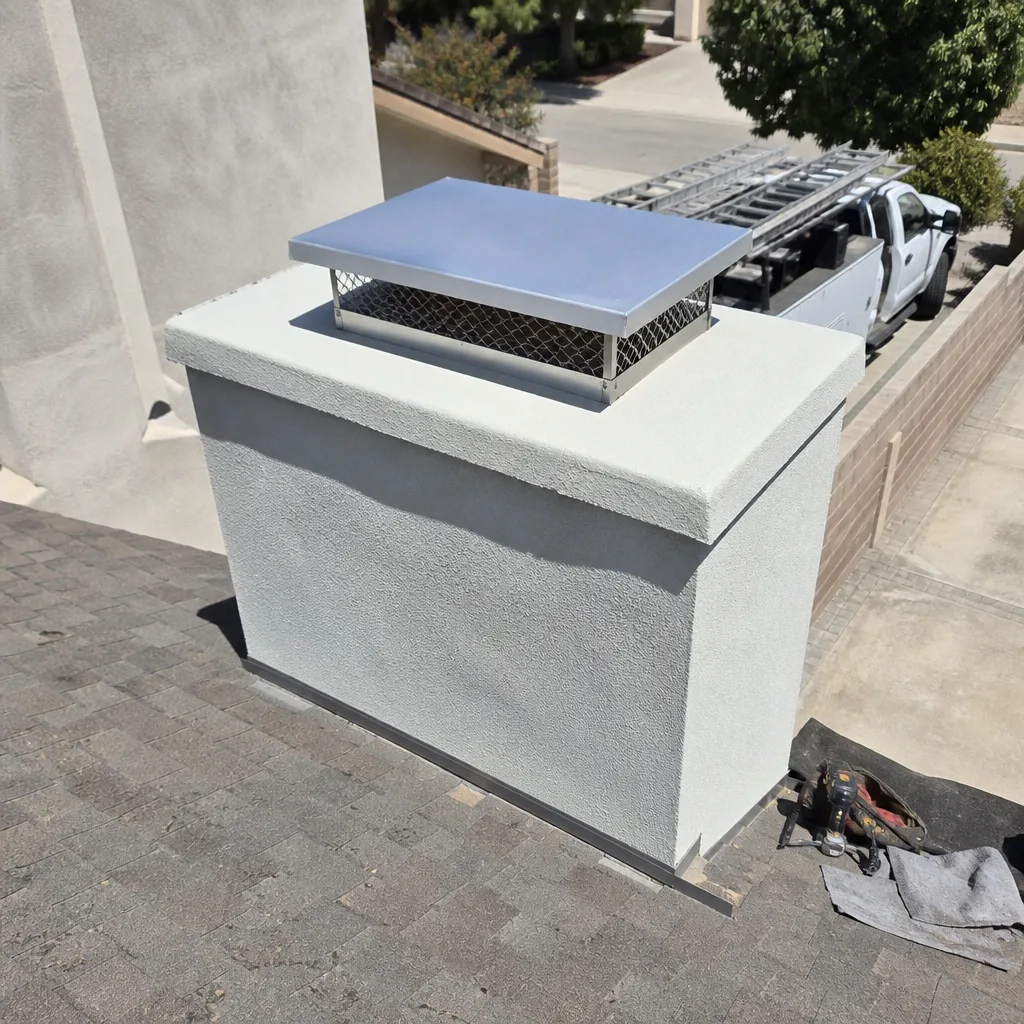 After
After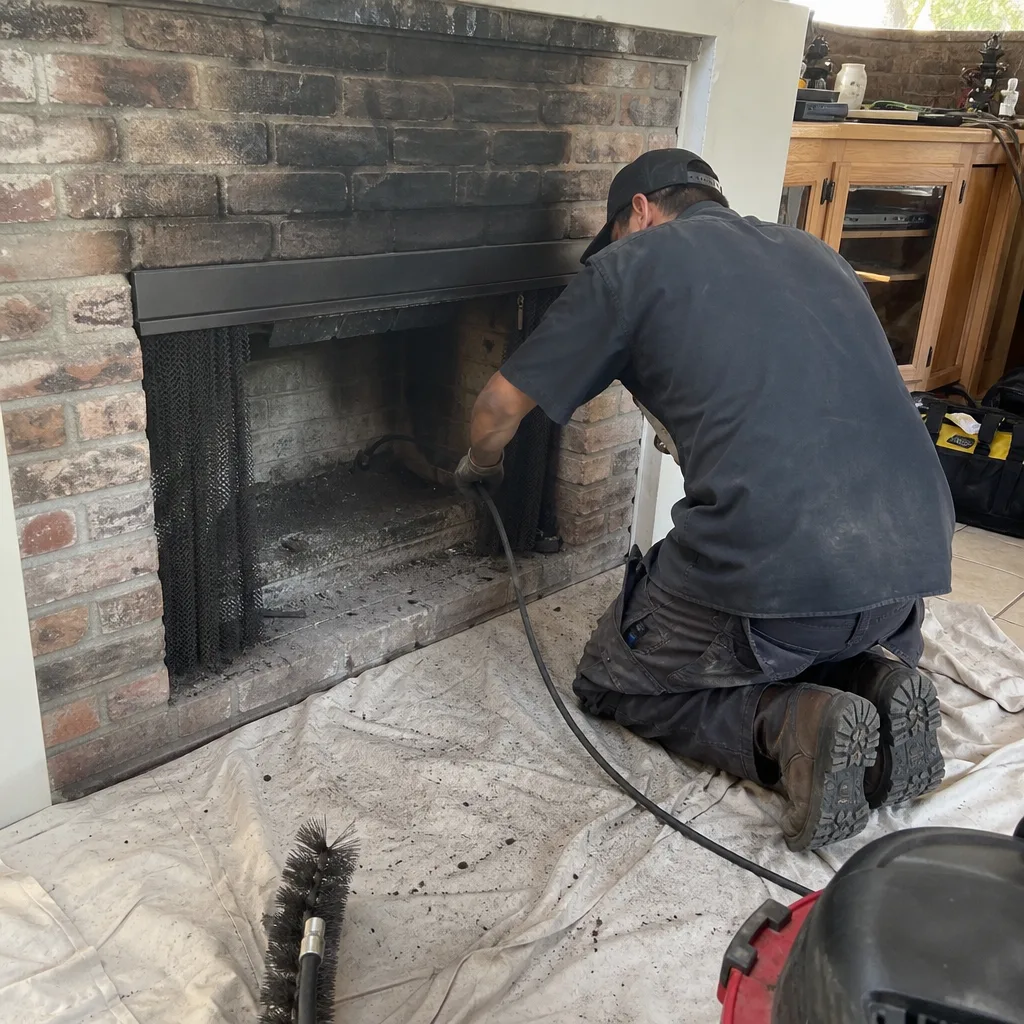 Before
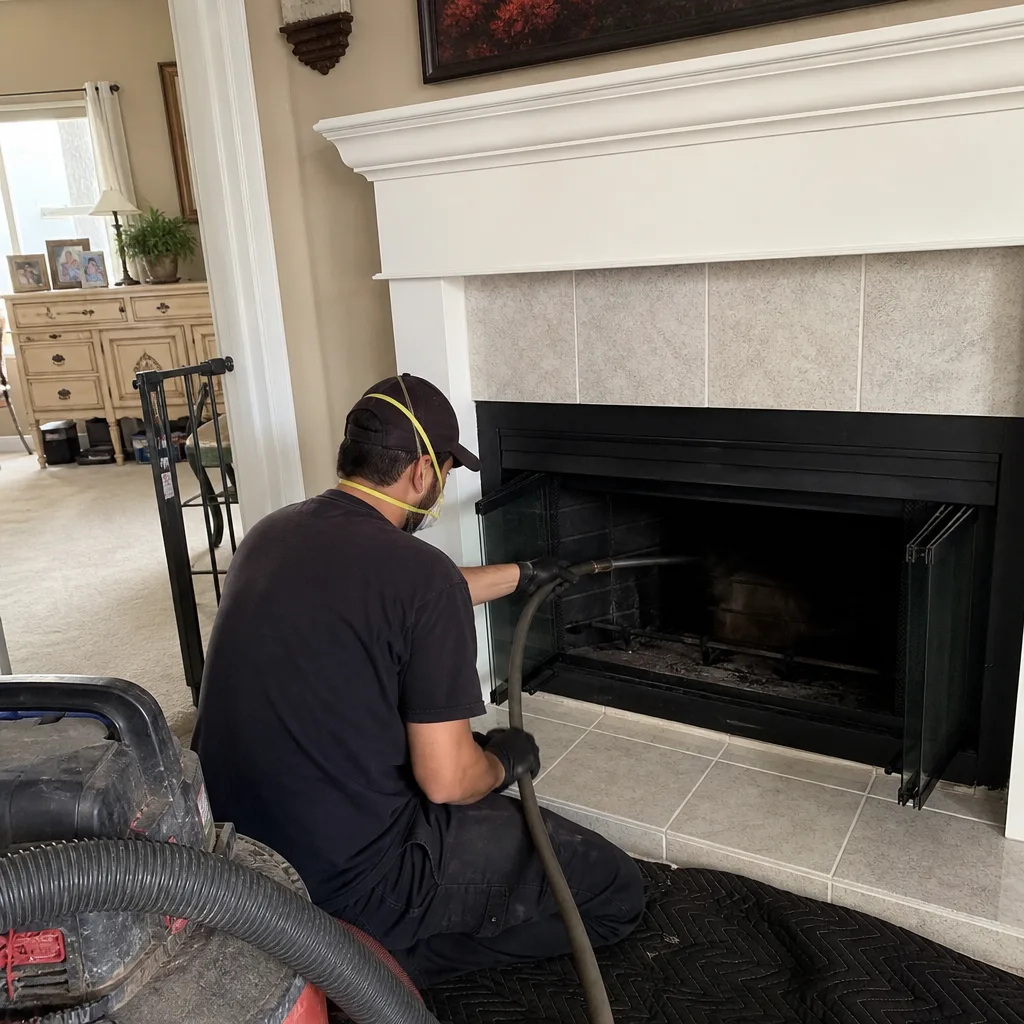 After
After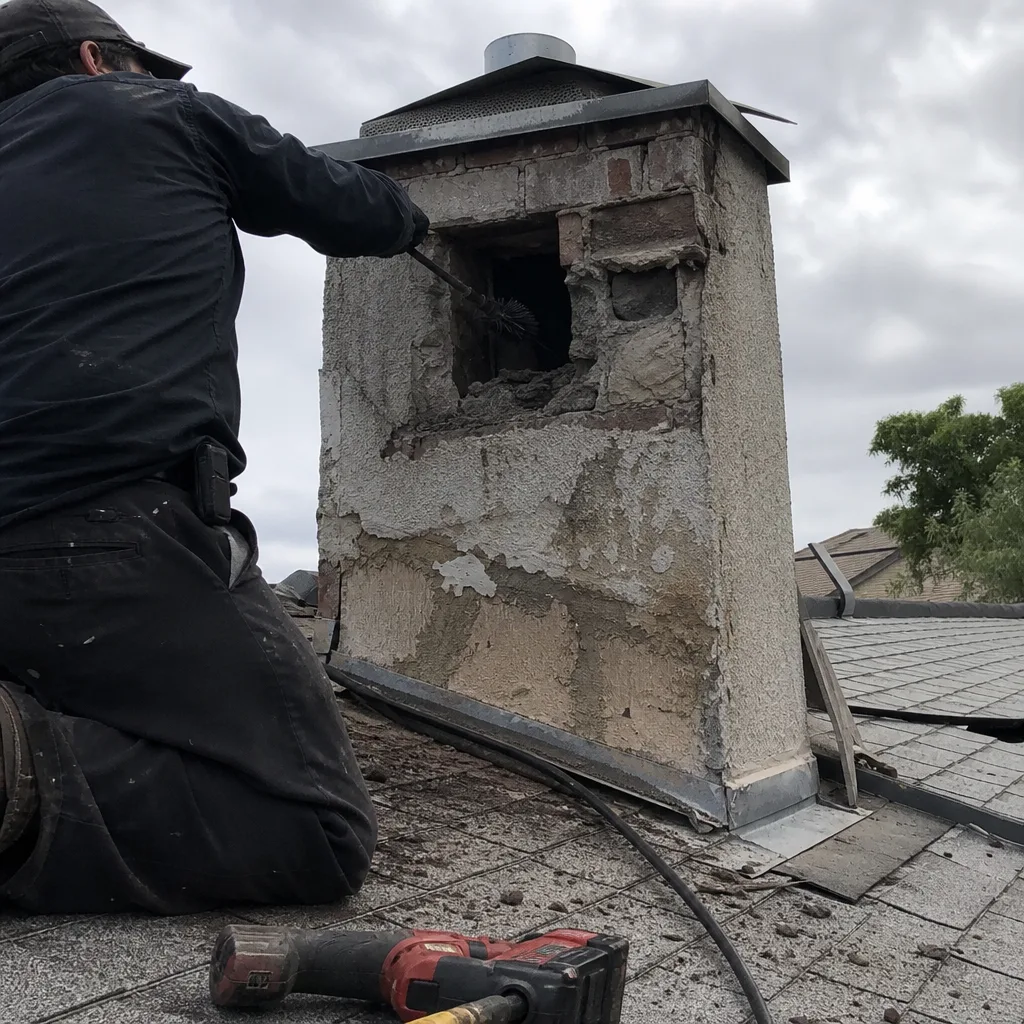 Before
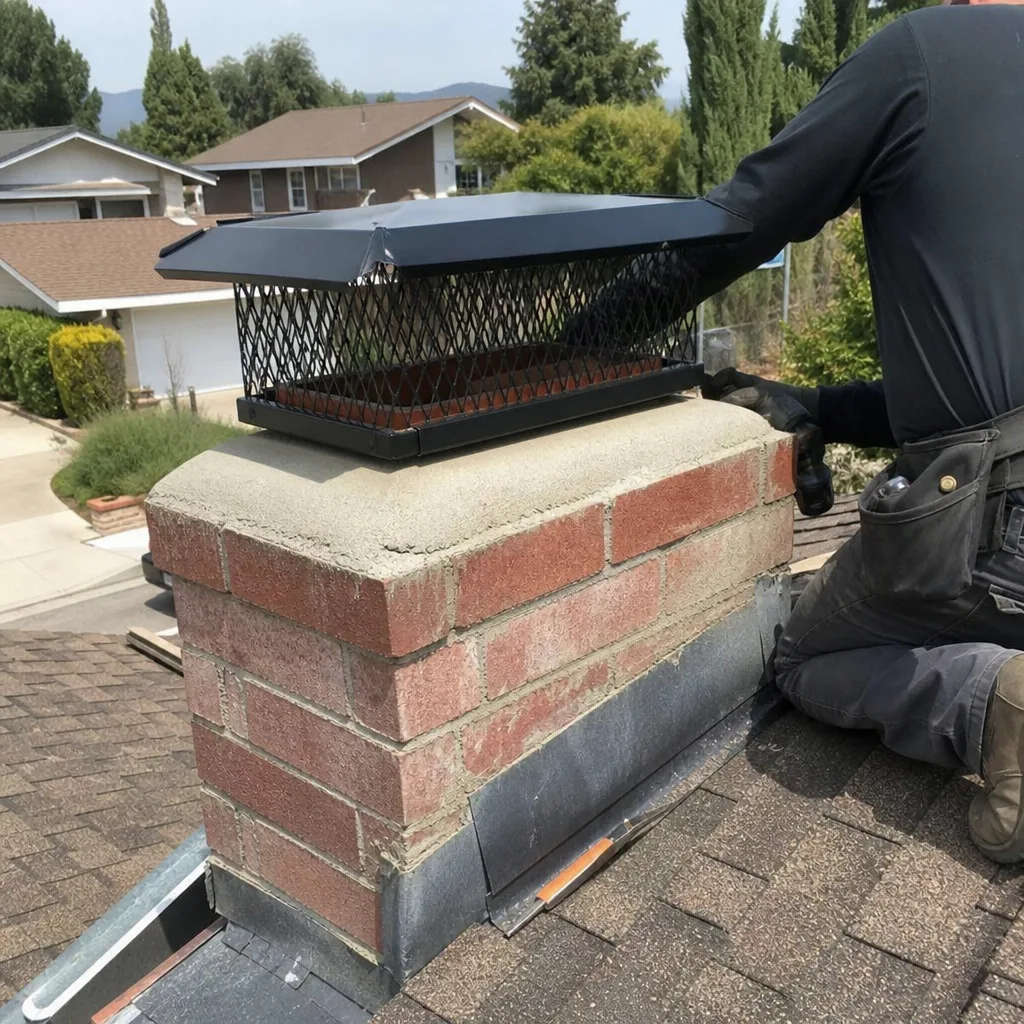 After
AfterChimney Cleaning Warning Signs: A Rancho Cucamonga Homeowner’s Reference Guide
Smoke backing into your living room during a fire is widely misread as a simple draft problem and treated with a quick chimney cap upgrade. But in Rancho Cucamonga homes built before 1985, we’ve found it’s more often caused by a collapsed terra-cotta liner section, a repair that runs $2,800-$4,500 and cannot be deferred, versus a $220-$380 cap replacement that masks the real failure. Every warning sign a chimney sends has a physical cause, a timeline, and a cost range attached to it. This guide matches each observable symptom to its likely source so you can describe what you’re seeing accurately, photograph it before the contractor arrives, and evaluate any diagnosis before agreeing to work. For more guides & resources, see our blog.
Quick Answer
The most critical chimney warning signs for Rancho Cucamonga homeowners are: smoke entering the room during use (indicating liner damage or blockage), persistent acrid odors when the fireplace is cold (creosote accumulation or animal nesting), visible white efflorescence or spalling in the firebox (moisture intrusion and liner deterioration), and rust staining on metal components (condensation damage or cap failure). If you’re weighing whether to tackle maintenance yourself, read our DIY vs Professional Chimney Cleaning: The Rancho Cucamonga Homeowner’s Decision Guide. Four specific signs render a chimney non-operational until repaired and may void standard California homeowner’s insurance fire coverage if used anyway.
Table of Contents
- Odor Types and What They Reveal About Your Chimney’s Condition
- Visual Warning Signs Visible from the Firebox Without Tools
- Rancho Cucamonga-Specific Construction Warning Signs
- How to Document and Photograph Warning Signs Before the Contractor Arrives
- Four Signs That Make a Chimney Non-Operational Until Repaired
- Symptom-to-Cause Matrix: Matching What You Notice to What’s Actually Wrong
- Cost Ranges and Repair Timelines by Symptom
BeforeAfterOdor Types and What They Reveal About Your Chimney’s Condition
Your nose is the most sensitive detection tool you own, and chimney problems announce themselves through distinct odor signatures long before visual damage appears. In Rancho Cucamonga’s dry climate with seasonal Santa Ana wind events, odor behavior changes predictably, which makes misdiagnosis common.
Acrid, Sharp Smell When the Fireplace Is Cold
This is the signature of Class II or Class III creosote, a hardened tar-like deposit that forms when wood burns incompletely. Class III creosote is glazed, shiny, and nearly impossible to remove with standard brushing. It indicates a flue temperature that has run too low for too long, often from burning unseasoned wood or restricting airflow with glass doors closed too early in the burn cycle.
In Rancho Cucamonga, we see this frequently in the Etiwanda and Alta Loma areas where homeowners burn orchard trimmings from local citrus and avocado operations. That wood is rarely seasoned below 20% moisture content. The resulting creosote buildup reduces flue diameter, increases the risk of chimney fire, and produces that sharp, chemical odor that penetrates into HVAC return paths during negative pressure events common in newer tight homes.
The fix: mechanical removal with rotary chains or chemical treatment, followed by a camera-scan inspection to confirm liner integrity. Cost in Rancho Cucamonga: $450-$780 for moderate buildup, $890-$1,400 for glazed Class III requiring chemical pretreatment.
Musty, Earthy Smell After Rain
This indicates moisture intrusion through the crown, chase cover, or deteriorated mortar joints. In Rancho Cucamonga’s Mediterranean climate with concentrated winter rainfall, water finds entry points that stay dormant nine months of the year. The musty smell comes from organic material, mold, or mildew colonizing the smoke chamber or firebox back wall.
Musty odors correlate with efflorescence, the white crystalline deposit you’ll see on masonry surfaces. The crystals are salts left behind as water evaporates. Their presence proves water is moving through the masonry system, dissolving minerals, and redepositing them. This cycle progressively destroys mortar and terra-cotta liner segments from the outside in.
Smoky, Sooty Smell During Santa Ana Wind Events
When hot, dry Santa Ana winds blow from the northeast, they create positive pressure at chimney tops that can reverse normal draft. But a healthy chimney with proper height and liner capacity should still draw adequately. Persistent smoke odor during these events, especially in the western Rancho Cucamonga neighborhoods near the 15 freeway corridor, usually indicates an undersized flue for the fireplace opening, a partially blocked liner, or a missing or damaged chimney cap allowing direct wind entry.
The distinction matters. Wind-related draft reversal is intermittent and predictable. A persistent smoky smell regardless of wind conditions suggests structural problems requiring camera inspection.
Decomposition or Fecal Odor
This is unambiguous: an animal has entered and died, or is actively nesting. Rancho Cucamonga’s interface with the San Gabriel Mountains foothills means raccoons, squirrels, and occasionally ringtail cats explore chimneys. A nesting animal blocks the flue, introduces combustible material, and creates a direct path for sparks to reach the structure.
Never attempt to smoke out an animal. The result is often a frightened creature that dies in an inaccessible liner section, followed by maggot infestation and saturated odor. The correct response is professional removal, flue cleaning, and installation of a proper animal-proof cap. We source our animal-proof caps from Famco and Olympia Chimney through Haven’s buying network, specifically selected for mesh sizing that excludes wildlife while maintaining adequate draft.
Visual Warning Signs Visible from the Firebox Without Tools
Every Rancho Cucamonga homeowner should perform a monthly visual inspection from the firebox opening, using a flashlight and a smartphone camera. These four signs appear before professional equipment becomes necessary, and each maps to a specific failure mode with a defined repair scope.
White Efflorescence on the Firebox Back Wall
Look for a chalky white deposit on the rear firebrick or refractory panel. This is not ash residue, it will not wipe clean with a damp cloth, and it is not normal. Efflorescence proves water is migrating through the masonry from the exterior, carrying dissolved salts that crystallize as the moisture evaporates into your firebox.
The source is typically crown deterioration, chase cover rust-through, or failed mortar joints at the roofline. In Rancho Cucamonga’s clay-heavy soils, minor foundation settling is common in 1970s and 1980s construction, which opens mortar joints at the chimney base and allows capillary water uptake during seasonal rains.
What it means: the terra-cotta flue liner is experiencing thermal cycling in a wet environment. Each firing drives moisture deeper into cracks. Each rain recharges the water supply. The liner will spall, crack, or collapse progressively. We’ve documented this progression in hundreds of Rancho Cucamonga inspections since 2009. Early intervention with crown repair or chase cover replacement ($680-$1,200) prevents liner failure ($2,800-$4,500).
Spalling Liner Fragments in the Firebox
Small, curved shards of orange or tan ceramic material in the firebox or on the smoke shelf are pieces of your terra-cotta flue liner that have detached and fallen. This is advanced deterioration. The liner protects combustible framing from heat and sparks. Its compromise means your chimney is operating with a direct path to structural wood in many cases.
Spalling accelerates when combustion gases condense on cool liner surfaces, combining with moisture to form sulfuric acid that attacks the terra-cotta. This is more common in gas fireplace conversions where the lower flue temperature fails to keep the liner above the acid dew point. We see this pattern frequently in the Victoria Arbors and Terra Vista neighborhoods where original wood fireplaces were converted to gas log sets in the 1990s without liner evaluation.
Rust Staining on Metal Components
Orange or brown staining on the damper frame, fire grate, or any metal insert indicates sustained moisture exposure. The damper is your first indicator, it’s positioned at the smoke shelf where condensation collects, and its steel frame rusts predictably when the chimney fails to dry between uses.
Rust on the damper also indicates the damper is not sealing fully when closed, which allows conditioned interior air to escape continuously. In Rancho Cucamonga’s cooling-dominated climate, this is an energy penalty that adds up. But the larger concern is what the rust signals upstream: a failed or missing cap, deteriorated crown, or liner breach allowing condensation to form throughout the flue system.
Cracked or Deteriorated Refractory Panels
Factory-built fireplaces use refractory cement panels that simulate firebrick. These panels are consumable components with a finite lifespan, typically 15-25 years under normal use. Cracking through the panel thickness, significant surface erosion exposing the insulating material behind, or gaps at panel joints all indicate replacement is needed.
Continuing to operate with compromised refractory panels exposes the metal firebox wrapper to direct flame contact. In a factory-built unit, this is the point where the fireplace becomes non-operational. Replacement panels are model-specific; we source through Olympia Chimney and Copperfield to match original specifications rather than using generic substitutes that alter clearances.
Rancho Cucamonga-Specific Construction Warning Signs
Rancho Cucamonga’s housing stock has distinct eras and construction patterns that produce predictable failure modes. Understanding your home’s construction decade helps interpret warning signs accurately.
Original 1970s-1980s Prefab Fireplace Units: Insert Gap Separation
Homes in the older central neighborhoods near Foothill Boulevard and Haven Avenue often contain original Heatilator or Superior prefabricated metal fireplaces installed during initial construction. These units have a designed clearance to combustibles maintained by a metal chase, typically framed with wood and sided to match the exterior.
A critical warning sign specific to these units is visible separation between the metal fireplace insert and the surrounding framing chase. This appears as a growing gap at the firebox opening, misalignment of the faceplate, or visible movement of the surround trim. The cause is almost always deterioration of the support structure below the unit, often from moisture intrusion into the chase base or termite damage to the wood framing.
This is a non-operational condition. The manufacturer’s listed clearances are engineered into the design; any movement compromises those clearances and creates a structure fire hazard. Repair requires removal and replacement of the unit, often with reframing of the chase. In Rancho Cucamonga’s market, this runs $4,500-$8,500 depending on chase height, roofing material, and whether the original flue chase can be reused.
Spanish-Tile Roof Penetration Wear Around the Chase Cover
The clay tile roofs common in Rancho Cucamonga’s Spanish and Mediterranean-influenced architecture create unique challenges at chimney penetrations. The curved profile of mission-style tiles leaves gaps at the flat chase top that standard chase covers don’t address well.
Look for: broken or displaced tiles at the chimney base, visible gaps between chase cover flashing and tile courses, or mortar patching that has cracked and fallen away. The thermal expansion differential between clay tile and metal flashing is substantial in Rancho Cucamonga’s 100°F summer temperature swings. This cycling progressively loosens mortar-based sealants.
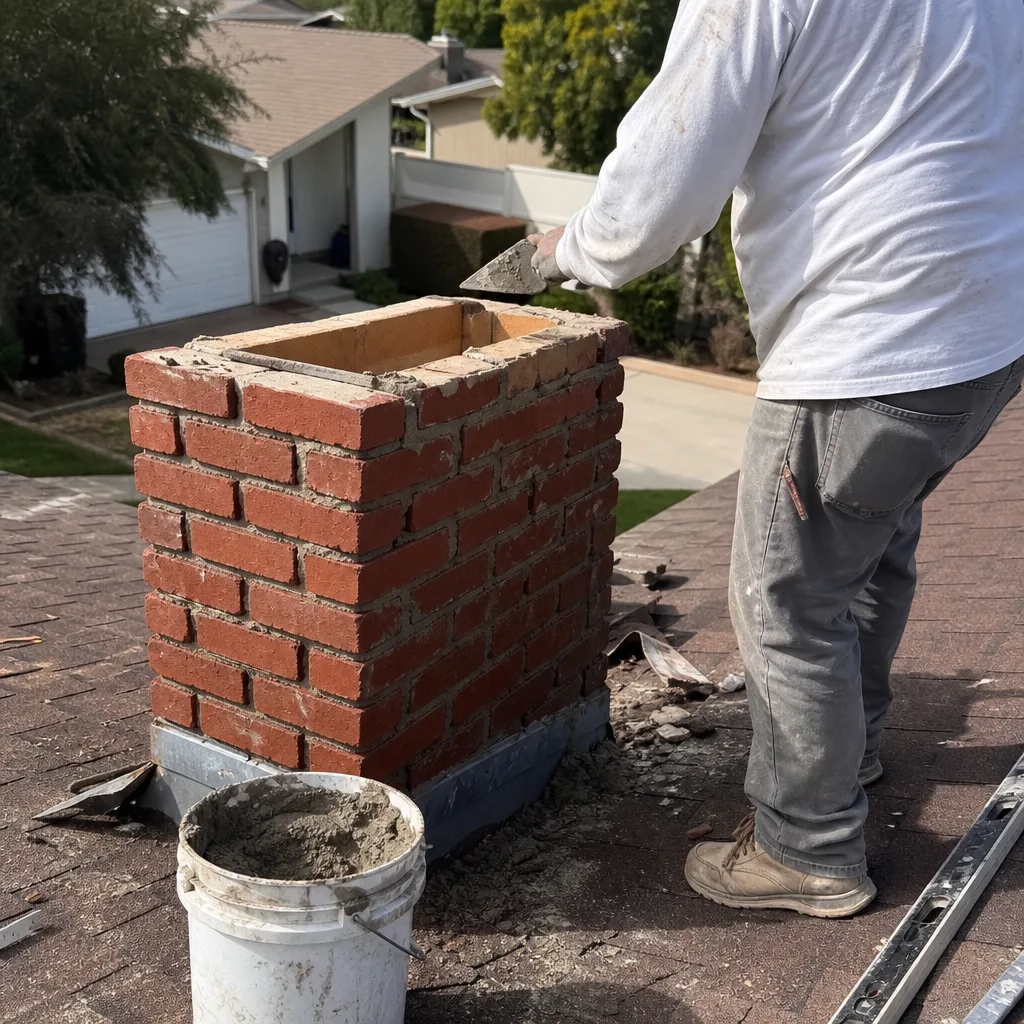
The correct repair uses a custom-fabricated chase cover with raised cricket or diverter, sealed with flexible urethane rather than rigid mortar, and tile replacement with matching profile. We see this most in the newer hillside developments south of 19th Street where Mediterranean styling was required by design covenant. Materials for these repairs come through our Haven buying network from Copperfield and Famco, selected for gauge thickness that withstands thermal cycling without fatigue cracking.
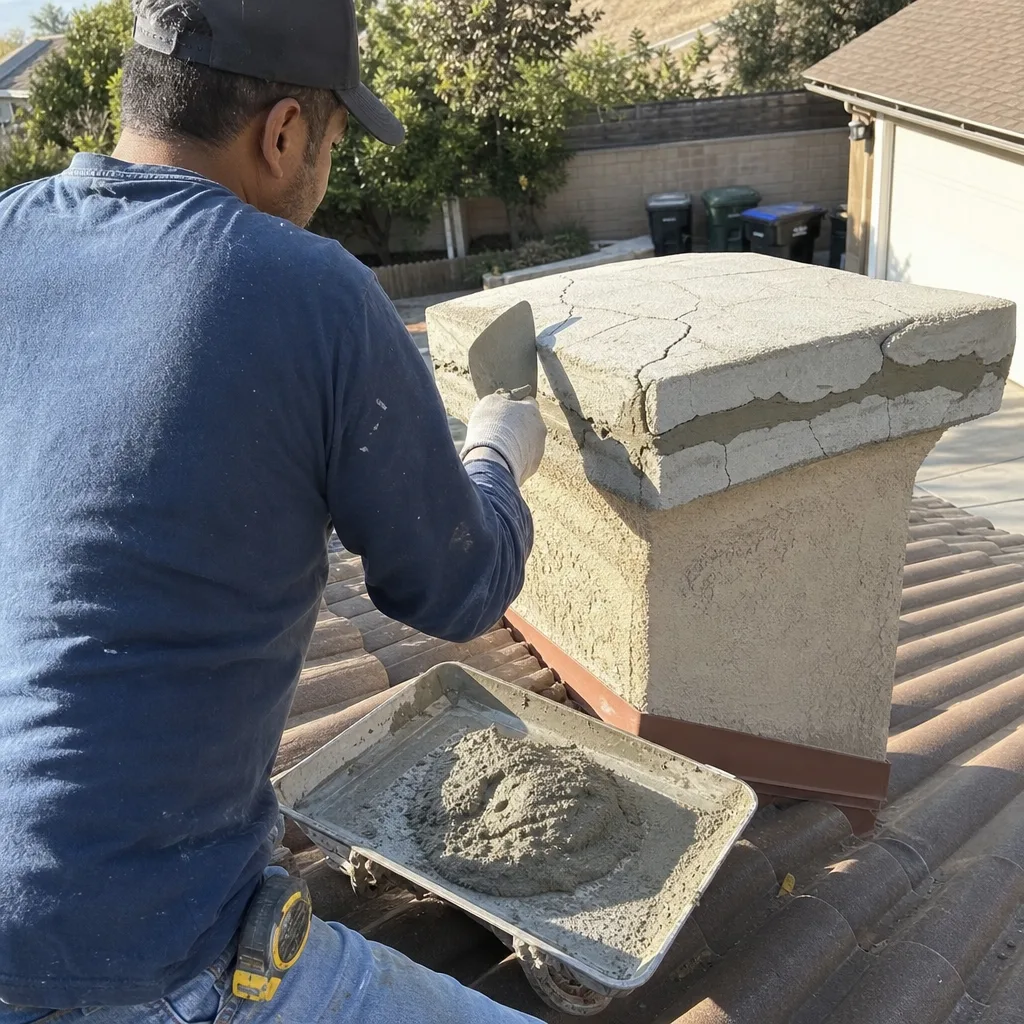
Stucco Chimney Exteriors: Hairline Cracking Pattern
Stucco-clad chimneys, common in 1990s and 2000s Rancho Cucamonga construction, develop distinctive cracking patterns that indicate underlying movement or moisture issues. Horizontal cracking at the chimney shoulder (where vertical walls meet the sloped crown) indicates differential settlement. Diagonal stair-step cracking following mortar joints suggests structural movement of the chimney mass independent from the house frame.
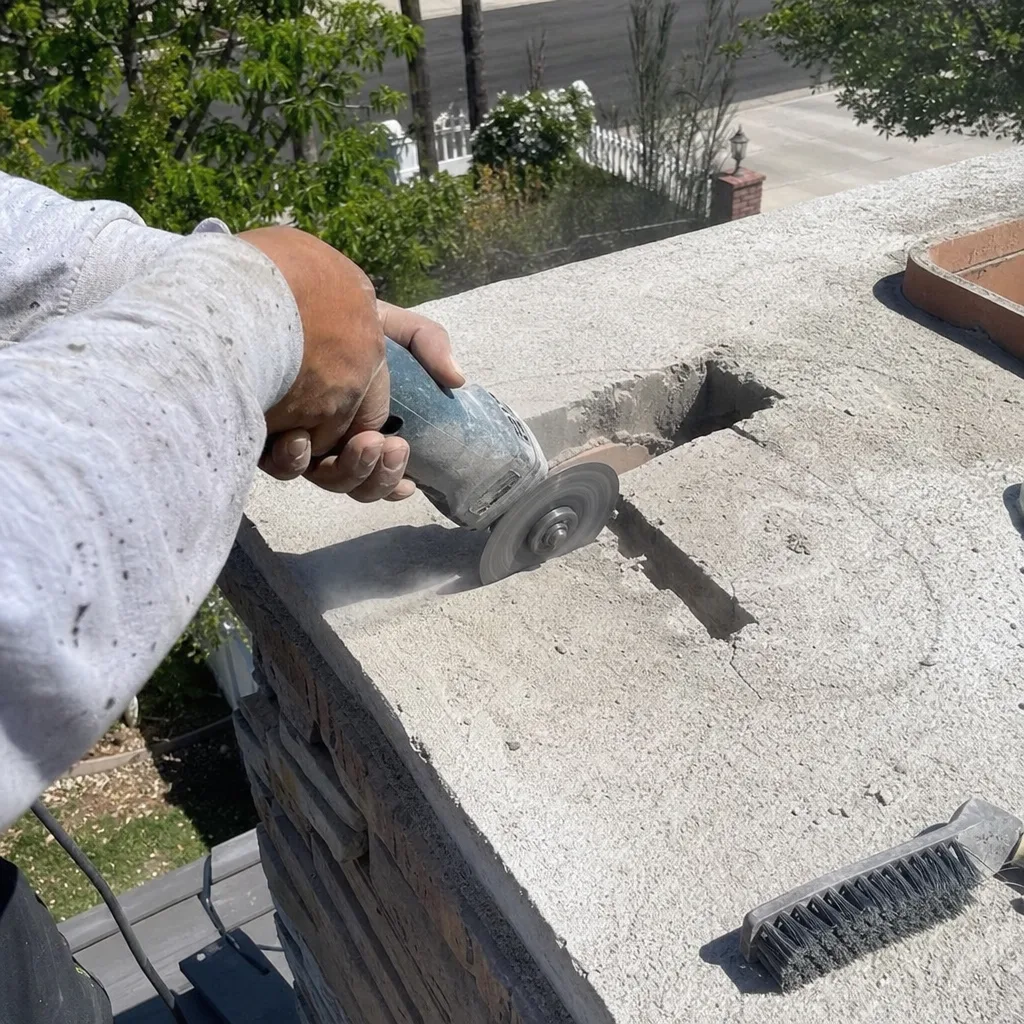
Both patterns allow water intrusion that attacks the liner from the exterior while appearing as a superficial stucco problem. The repair scope always includes stucco removal to evaluate the underlying masonry or framing, which determines whether this is a cosmetic repair ($800-$1,400) or structural rebuild ($6,000-$12,000).
How to Document and Photograph Warning Signs Before the Contractor Arrives
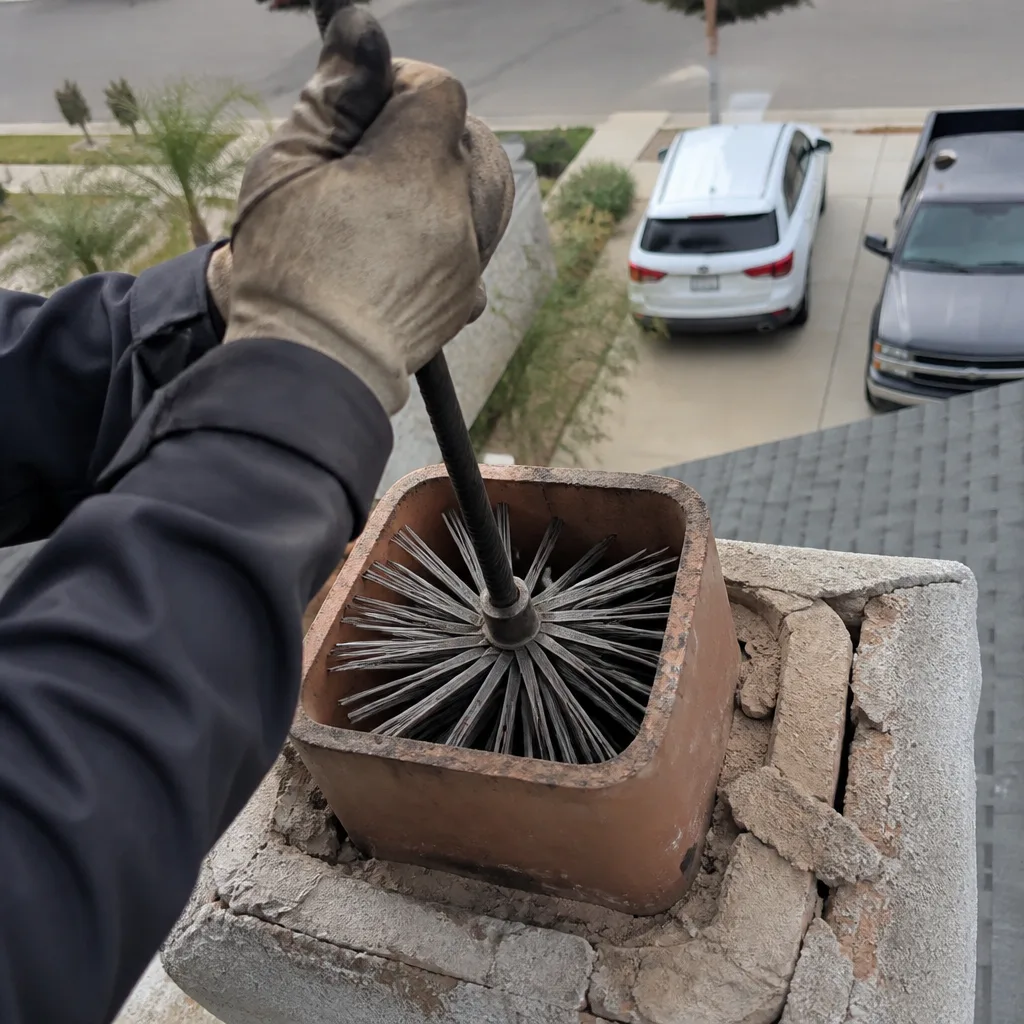
The photo record a contractor provides is valuable, but it’s their record, created with their framing, their timing, and their interpretation. Creating your own documentation before anyone arrives protects your interests and provides a baseline for comparing before-and-after conditions.
- Photograph the exterior from ground level. Capture the full chimney height, roof penetration, cap or chase cover condition, and any visible stucco or masonry deterioration. Use your phone’s timestamp and location services. In Rancho Cucamonga’s bright sunlight, shoot in early morning or late afternoon to avoid washout; the southern exposure most chimneys receive here creates harsh midday contrast.
- Document the firebox with the damper fully open and fully closed. Two photos minimum: one showing the full firebox with flashlight illumination of the smoke chamber throat, one close-up of the damper frame condition, hinge points, and any rust or deformation. Note the damper operation: does it open fully, seal completely, or hang at an angle?
- Photograph any debris, staining, or material deposits. Place a common object (coin, key) in frame for scale. White efflorescence, spalled liner fragments, soot patterns, or animal nesting material all photograph better with scale reference. Note the date of your last fire if you can recall it; this helps interpret whether deposits are fresh or accumulated.
- Record odor descriptions with timing and weather conditions. Written notes are documentation too. “Musty smell beginning 24 hours after rain on January 15, 2024, strongest in afternoon when HVAC cycles on” is more useful to a technician than “smells bad sometimes.” Santa Ana wind events are particularly relevant in Rancho Cucamonga; note if odors correlate with northeast wind conditions.
- Video the damper operation and any smoke behavior during use. A 30-second video of the damper moving through its full range reveals binding, asymmetry, or incomplete closure that still photos miss. If you’re experiencing smoke backup, video from a safe position showing the smoke path helps distinguish between spillage at firebox opening (draft failure) and leakage from joints or surrounds (structural failure).
Store these files with date stamps in a dedicated folder. When you receive a contractor’s photo record, you have your own for comparison. Clause 4 of the Haven Standard requires our photo record on every job; we encourage homeowners to have theirs too. The documentation belongs to you.
Four Signs That Make a Chimney Non-Operational Until Repaired
These four conditions create hazards that standard California homeowner’s insurance policies exclude from fire coverage if the chimney was used with knowledge of the defect. This is not hypothetical; we’ve reviewed denial letters from carriers following chimney fires where pre-existing conditions were documented in prior inspection reports.
1. Visible Liner Collapse or Large Gap
Any condition where the terra-cotta flue liner has fallen away sufficiently to expose the chimney’s interior masonry or framing is an automatic non-operational status. The liner is the engineered barrier between 2,000°F flue gases and combustible structure. Its compromise means the chimney cannot perform its safety function regardless of how well it “draws.”
In Rancho Cucamonga’s pre-1985 housing stock with original construction, terra-cotta liners were often single wythe (one tile thickness) with sand-based mortar joints that degrade thermally over 30-40 years of use. We’ve removed collapsed sections in homes throughout the Cucamonga-Guasti and Rochester neighborhoods where owners continued using the fireplace because “it still worked fine.”
Repair options: stainless steel liner insert using DuraFlex or Olympia Chimney components ($2,800-$4,500 typical), or full chimney rebuild with new liner system ($8,000-$15,000) when exterior masonry is also compromised. The scope is determined by camera inspection and exterior evaluation, not guesswork.
2. Deteriorated or Missing Factory-Built Fireplace Components
Factory-built fireplaces are listed appliances with tested and approved components. Using the unit with cracked refractory panels, corroded firebox wrapper, or missing factory-specified parts voids the listing and transforms the appliance from a contained system to an unlisted site-built installation. Insurance exclusions apply specifically to “use of appliance outside manufacturer’s specifications.”
Replacement requires identifying the original manufacturer and model, which is often possible from labels inside the firebox or on the damper frame. When labels are illegible, we cross-reference dimensions and component profiles against manufacturer archives. Generic “universal” panels are not equivalent; clearances and thermal performance differ.
3. Structural Movement or Separation from the Building
A chimney that has visibly pulled away from the structure, developed a lean, or shows gaps at the building interface has failed structurally. Continued use risks complete collapse, particularly during seismic events. Rancho Cucamonga’s location in a seismically active region with proximity to the San Andreas and Cucamonga fault zones makes this a higher-probability concern than in stable geologic regions.
The repair is not cosmetic tuckpointing. It requires engineering evaluation, potential foundation underpinning, and reconstruction. This is the most expensive chimney repair category, typically $12,000-$25,000, and it is not optional.
4>Active Water Intrusion with Visible Moisture During Use
Operating a chimney with active water entry creates steam expansion in masonry, accelerates liner deterioration, and introduces unpredictability into flue gas behavior. If you can see water dripping, hear sizzling from moisture contact with hot surfaces, or observe fresh staining after rain, the chimney is non-operational until the water source is identified and eliminated.
This condition is particularly dangerous because it combines thermal shock to masonry with potential electrical hazard if gas fireplace components are involved. The repair scope ranges from cap or crown replacement to full rebuild depending on intrusion source.
Symptom-to-Cause Matrix: Matching What You Notice to What’s Actually Wrong
This matrix organizes the warning signs by observable symptom and maps each to its physical cause, typical location, and whether the condition permits continued use.
| What You Notice | Physical Cause | Location | Continue Using? |
|---|---|---|---|
| Acrid odor when cold | Class II-III creosote buildup | Flue liner, smoke chamber | No, until cleaned and inspected |
| Musty odor after rain | Moisture intrusion through crown/cap | Crown, chase cover, mortar joints | No, until source eliminated |
| Smoke entering room | Liner collapse, blockage, or draft failure | Flue liner, firebox, chimney height | No, immediate inspection required |
| White efflorescence on firebrick | Water migration through masonry | Exterior crown, lateral mortar joints | No, progressive liner damage |
| Spalled liner fragments | Terra-cotta liner thermal degradation | Flue liner (upper sections typical) | No, liner compromise confirmed |
| Rust on damper/grate | Sustained moisture exposure | Smoke shelf, damper assembly | Evaluate, likely cap/crown failure |
| Insert gap separation (prefab) | Support structure deterioration | Chase framing, firebox surround | No, clearance compromise |
| Tile displacement at roof penetration | Thermal cycling, flashing failure | Chase cover, roof flashing | Evaluate, water intrusion risk |
| Stucco stair-step cracking | Structural settlement or movement | Chimney mass, foundation | No, engineering evaluation required |
| Smoke during Santa Ana winds only | Wind-induced draft reversal | Chimney height, cap design | Evaluate, may be design limitation |
The “Continue Using?” column reflects our conservative standard, not the minimum legal threshold. A chimney that “still works” with confirmed liner damage is analogous to driving with confirmed brake line corrosion: the function persists until the moment it catastrophically fails.
Cost Ranges and Repair Timelines by Symptom
These ranges reflect Rancho Cucamonga’s market as of 2024-2025, including permit requirements under the city’s building department and typical material lead times. Every job we quote is a written price before work starts, with scope and warranty documented, under Haven Standard Clause 1.
Preventive Maintenance (No Active Warning Signs)
Annual sweep and NFPA 211 Level 2 inspection with camera scan: $280-$380 for standard masonry fireplace, $220-$320 for factory-built unit. Includes documented photo record under Haven Standard Clause 4. Recommended annually for wood-burning systems, every 2-3 years for gas systems with verified proper installation.
Early Intervention (Warning Signs Present, System Operational)
- Crown repair with flexible urethane sealant: $680-$1,100
- Chase cover replacement (standard profile): $820-$1,400
- Animal removal, flue cleaning, animal-proof cap: $450-$780
- Refractory panel replacement (factory-built, standard sizes): $680-$1,200
- Class II creosote removal (standard brushing): $380-$550
Moderate Repair (Warning Signs Indicate Progressive Damage)
- Class III glazed creosote removal with chemical pretreatment: $890-$1,400
- Stainless steel liner insert (DuraFlex or Olympia Chimney, standard masonry): $2,800-$4,500
- Prefabricated fireplace replacement with chase reframing: $4,500-$8,500
- Stucco chimney repair with moisture barrier restoration: $1,800-$3,200
Major Reconstruction (Non-Operational Conditions)
- Full chimney rebuild with new liner system: $8,000-$15,000
- Structural repair with foundation intervention: $12,000-$25,000
- Historical matching with custom materials: add 25-40% to standard rebuild
Timeline factors specific to Rancho Cucamonga: the city’s building department typically processes chimney permits within 5-7 business days for standard repairs, 10-14 days for rebuilds requiring structural review. Santa Ana wind season (typically September through December) creates peak demand; scheduling 3-4 weeks ahead is advisable for non-urgent work. We do not create artificial urgency; we do recommend booking preventive work before the burning season begins.
Common Mistakes to Avoid
- Treating smoke backup as a draft problem without liner evaluation. In Rancho Cucamonga’s pre-1985 housing, we’ve found collapsed liner sections in 60% of smoke backup cases where the previous contractor recommended only a cap upgrade. The cap was irrelevant; the liner was the failure. Always demand camera evidence of liner integrity before accepting a cap-only solution.
- Assuming gas fireplaces don’t need inspection. Gas burns cleaner than wood, but produces corrosive condensation, particularly in exterior chimneys that cool below the acid dew point. The Victoria Gardens area and other newer developments with exterior chase-mounted gas fireplaces show liner deterioration at rates comparable to wood systems in some cases. Camera inspection applies to all fuel types.
- Using “chimney cleaning logs” as creosote removal. These products may loosen superficial deposits but do not remove Class III glazed creosote and provide no evaluation of liner condition. We’ve inspected chimneys where homeowners used cleaning logs annually for a decade, accumulating hidden glazed deposits that required chemical pretreatment and rotary removal. The logs created false confidence.
- Accepting verbal estimates or “we’ll see when we get there” pricing. This is the standard operating model for low-entry sweep services and it invites scope expansion once the technician is in your home. Haven Standard Clause 1 requires written price, written scope, and written warranty before work begins. Any contractor unwilling to commit in writing before dispatch is telling you something about their business model.
- Ignoring seasonal timing for preventive work. Rancho Cucamonga’s burning season runs November through March, with peak demand creating scheduling compression. Homeowners who wait until first cold snap to call often face 2-3 week delays. The optimal scheduling window is August through October, when our team can perform thorough evaluation without weather pressure and you have time to address any findings before desired use.
- Failing to verify contractor license and insurance status. California requires a C-29 masonry contractor license for structural chimney work and a C-36 plumbing license for gas line modifications. General handyman services are not legally qualified for this scope. We display our license on every page and provide certificate of insurance on request without hesitation.
- Neglecting to request and retain documentation. The photo record, written scope, and written warranty are your protection in insurance disputes, property sales, and future service planning. Clause 4 of the Haven Standard has required this documentation on every job since 2009; we’ve produced records from 15 years prior for homeowners, inspectors, and insurers on request. Contractors who don’t document don’t have accountability.
When to Call a Professional
Call for professional evaluation when any warning sign in this guide appears, when your last professional inspection exceeds 12 months for wood-burning or 36 months for gas systems, or when you’re purchasing a home and the seller cannot produce recent inspection documentation. The four non-operational conditions listed above require immediate cessation of use and professional evaluation before any future firing.
For Rancho Cucamonga homeowners, Emberly Chimney Cleaners Rancho Cucamonga offers free estimates with written scope and pricing before any commitment. Our NFPA 211 Level 2 inspection includes camera-scan documentation and a photo record on every visit, standard since 2009. Call (909) 430-9243 to schedule. Live phone support is available 24 hours a day, 7 days a week.
Frequently Asked Questions
A professional chimney sweep and NFPA 211 Level 2 inspection with camera scan in Rancho Cucamonga typically costs $280-$380 for a standard masonry fireplace and $220-$320 for a factory-built unit. This includes the documented photo record required by Haven Standard Clause 4, not as an optional add-on. Class II-III creosote removal, animal extraction, or component replacement are additional and quoted in writing before work begins. Call (909) 430-9243 for an exact quote, estimates are free.
A chimney can only be used as-is if the liner is intact and the camera inspection confirms no gaps, cracks, or spalling that compromise its protective function. We have evaluated chimneys where surface staining suggested major problems but the liner was sound, and others where minimal exterior signs concealed collapsed sections. The determination requires visual evidence from a camera scan, not assumption. If a contractor recommends liner replacement without showing you camera footage of the damage, seek a second opinion. Our Free Second Opinion on any written estimate applies to these situations specifically.
The National Fire Protection Association standard is annual inspection for all chimney systems, with cleaning frequency determined by creosote accumulation measured during that inspection. For wood-burning systems in regular use, annual sweeping is typical. Gas systems require inspection every 2-3 years to evaluate condensation corrosion and component condition. Rancho Cucamonga’s dry climate reduces some moisture-related deterioration but does not eliminate creosote formation or corrosion risk. The Santa Ana wind season also introduces debris and dust that can affect cap and damper function.
Skipped maintenance allows creosote accumulation to progress to Class III glazed deposits that restrict flue diameter and increase chimney fire risk. It permits moisture intrusion to degrade liners progressively from the outside. It delays detection of component failures that transform from repairable to requiring full replacement. And it creates documentation gaps that insurance carriers use to deny claims after incidents. The 38,000+ inspections in our archive since 2009 include thousands where delayed maintenance multiplied repair costs by 3-5x. The most expensive chimney repair is always the one that was postponed.
Homeowners can and should perform monthly visual inspections from the firebox opening using the documentation method described in this guide. What you cannot do without professional equipment is evaluate the flue liner above the smoke shelf, inspect the exterior crown and cap from roof level safely, or measure creosote thickness accurately. The NFPA 211 Level 2 inspection standard exists because these evaluations require specialized tools and training. Your monthly inspection complements professional evaluation; it does not replace it.
Santa Ana winds create positive pressure at the chimney top that can reverse normal draft direction, pushing air downward through the flue. A healthy chimney with proper height, liner capacity, and a functional cap resists this reversal. Persistent odor during these events indicates an underlying condition, undersized flue, partial blockage, or missing cap, that the wind is exposing rather than creating. The wind is a diagnostic tool, not the root cause. Camera inspection identifies whether the issue is structural or design-related.
The Bottom Line
Every chimney warning sign has a physical source that can be identified, documented, and priced before work begins. The Rancho Cucamonga homeowner who understands odor signatures, recognizes firebox-visible deterioration, and documents conditions before the contractor arrives is equipped to evaluate any diagnosis against observable evidence. The four non-operational conditions, liner collapse, factory-built component failure, structural movement, and active water intrusion, create hazards that override convenience and may affect insurance coverage. Preventive inspection with camera documentation, performed annually, catches progressive conditions before they reach these thresholds. The cost of early intervention is always a fraction of deferred repair.
Written by Corrine Halstead, Owner at Emberly Chimney Cleaners Rancho Cucamonga, serving Rancho Cucamonga since 2009.