
Last updated September 22, 2026
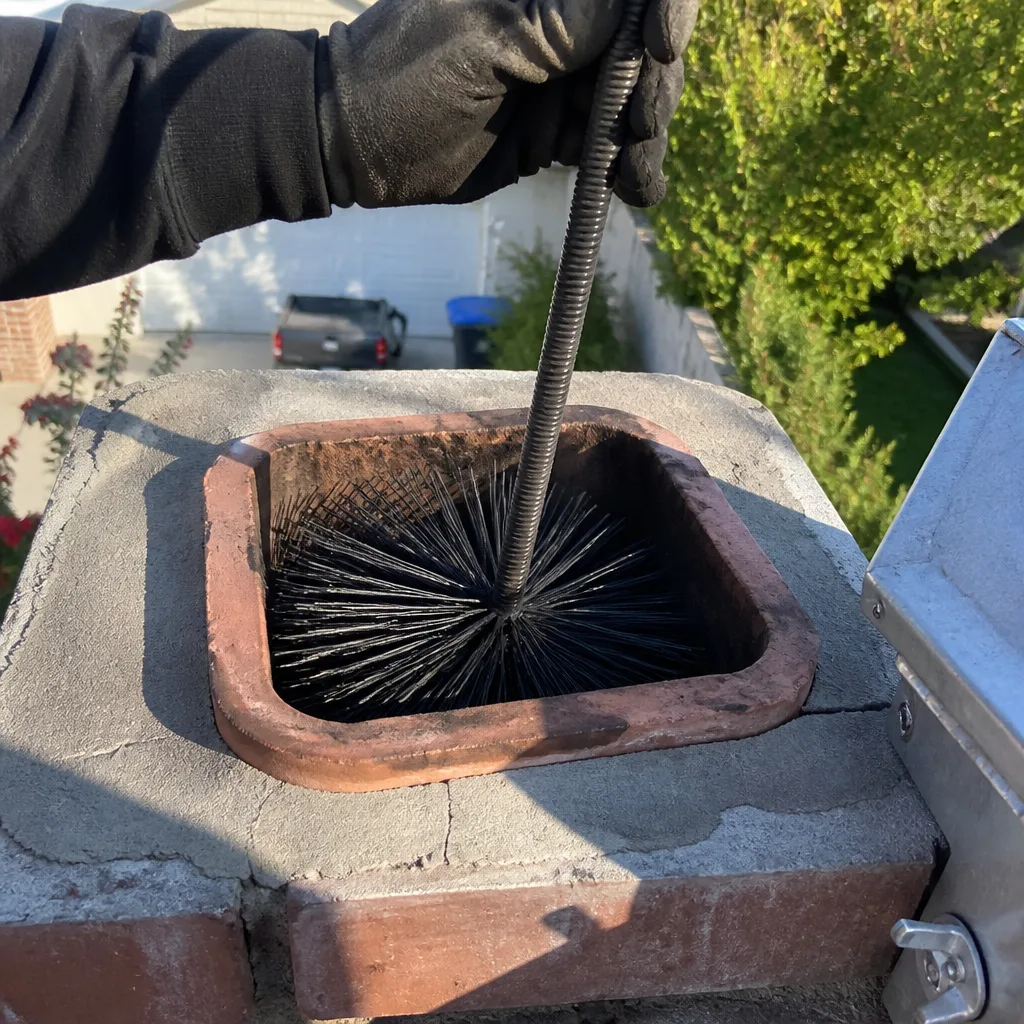
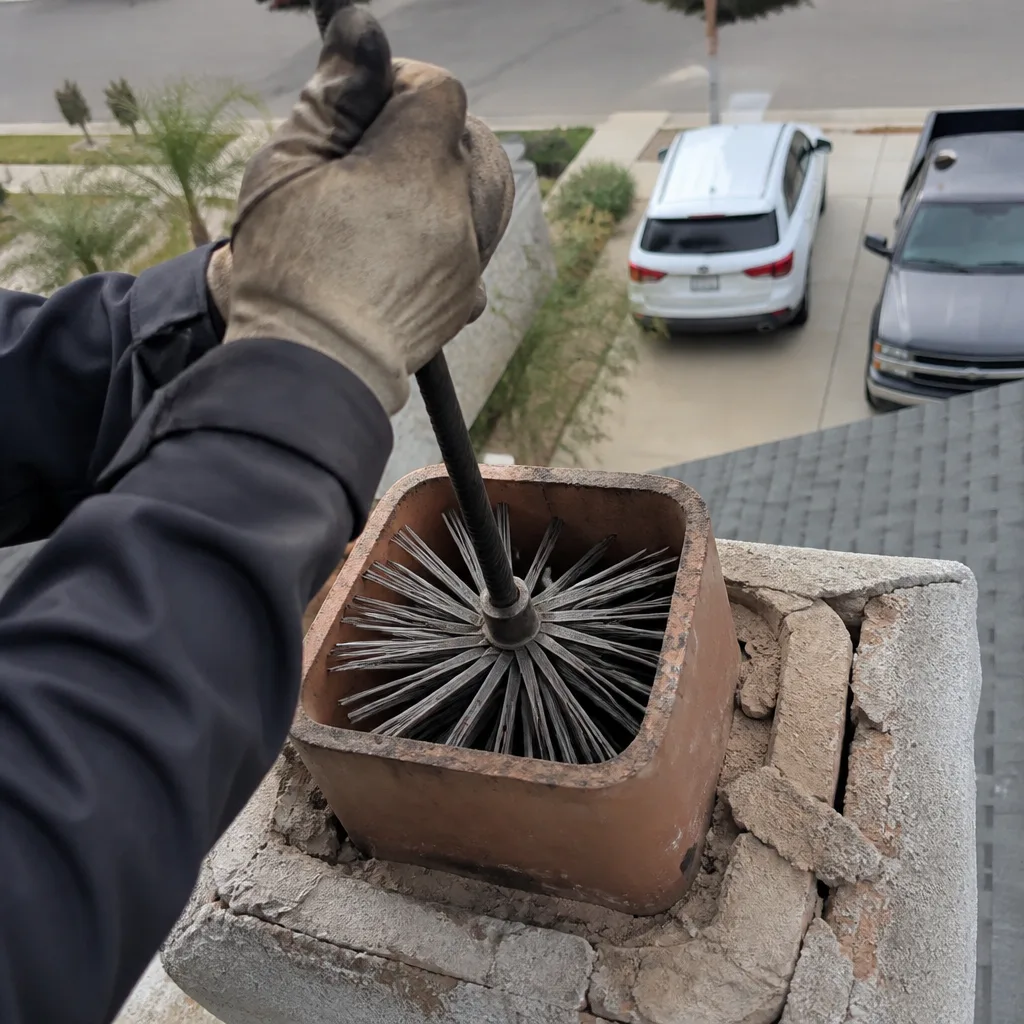
Level 1 sweep and inspection to the NFPA 211 annual standard - flue, crown, cap, and flashing checked and photographed
Chimney sweep logs do not sweep chimneys. They loosen some creosote - which then falls where a brush and vacuum still have to collect it.
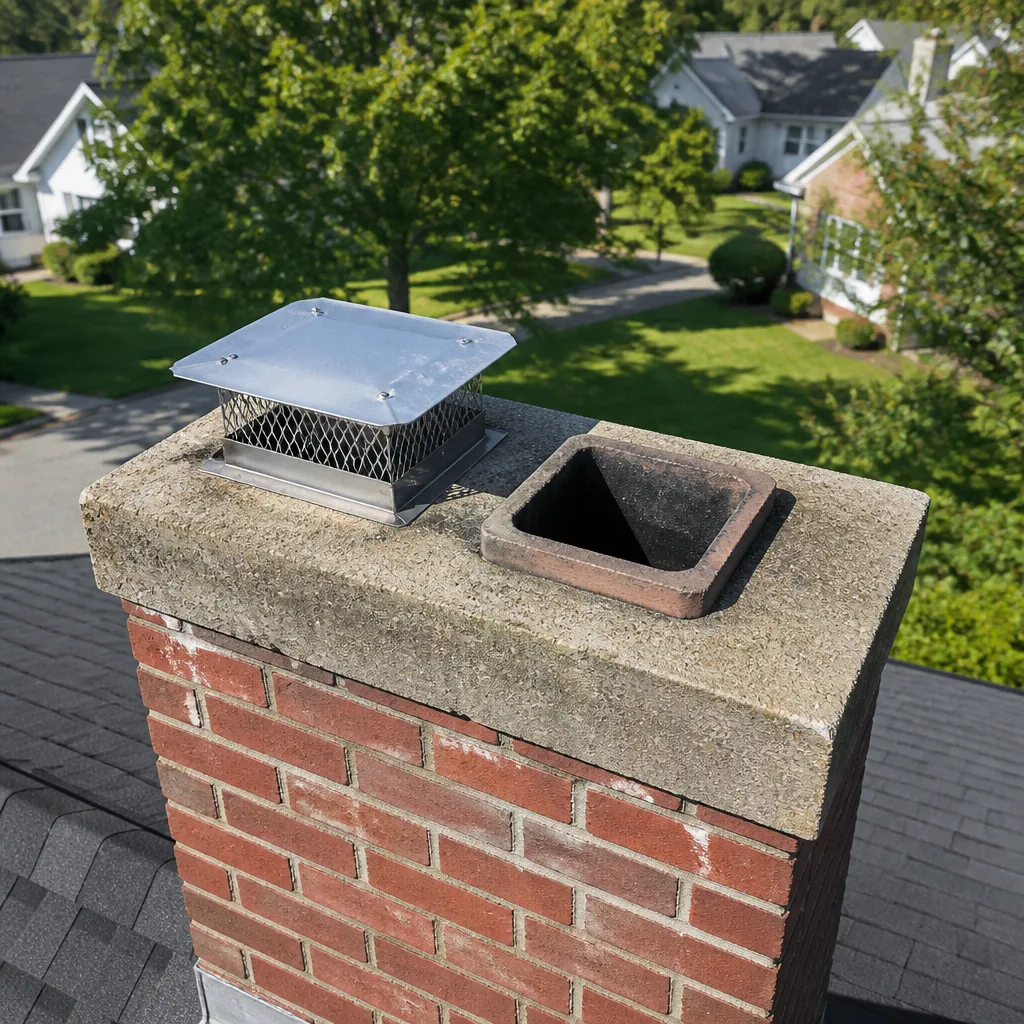
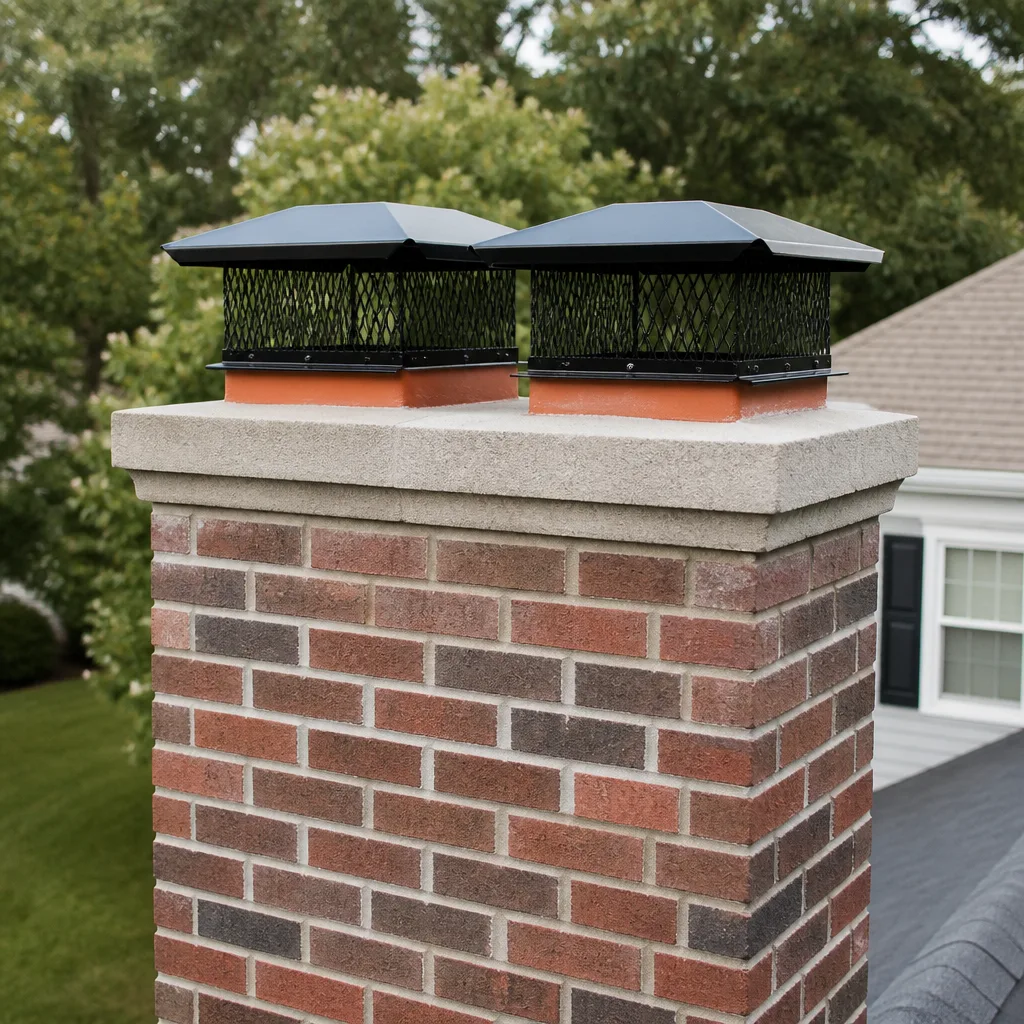
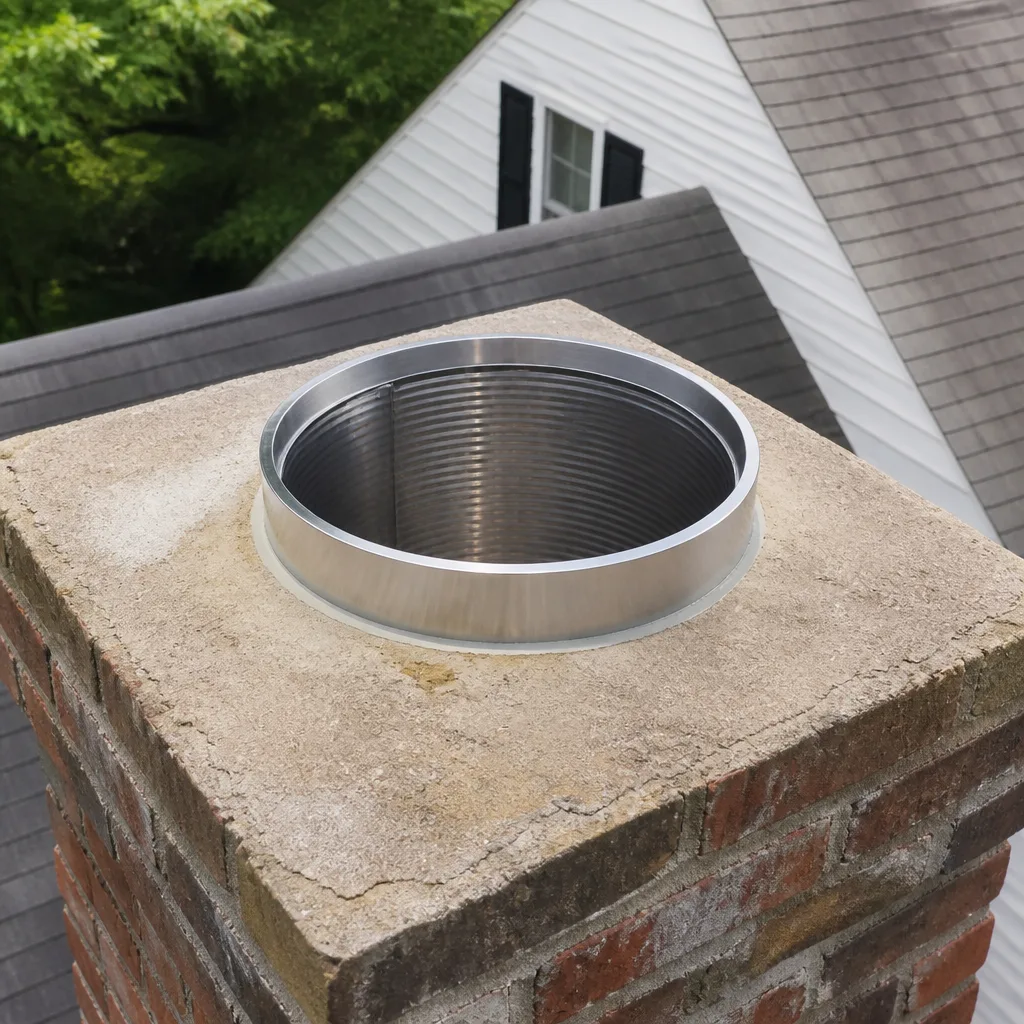
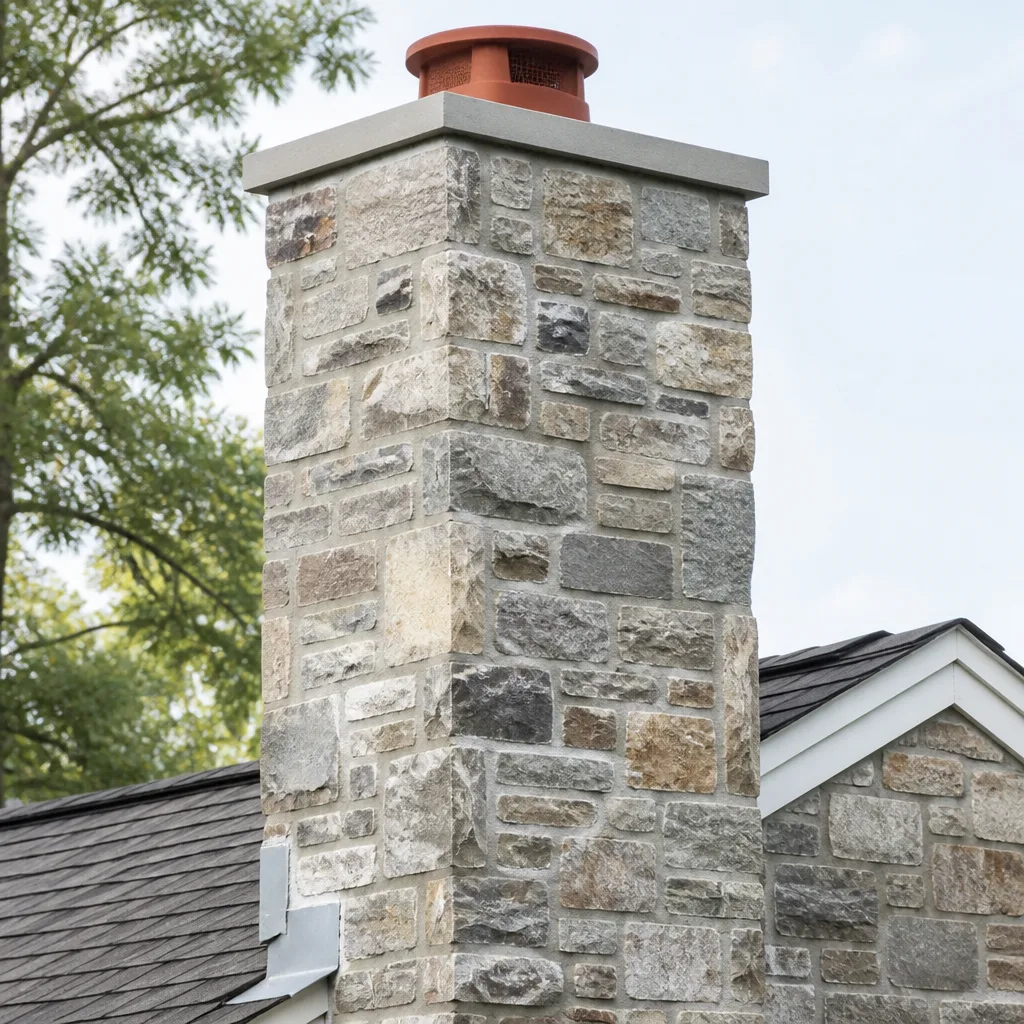
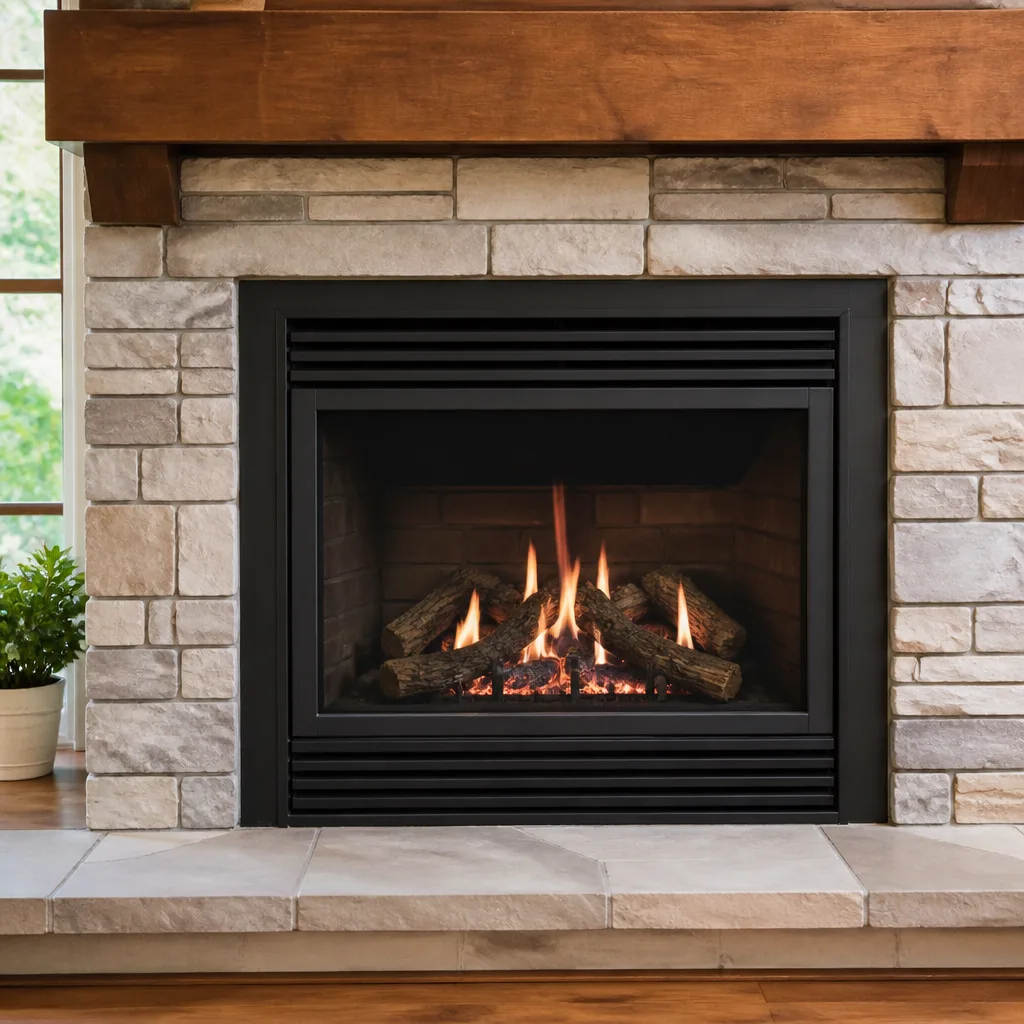
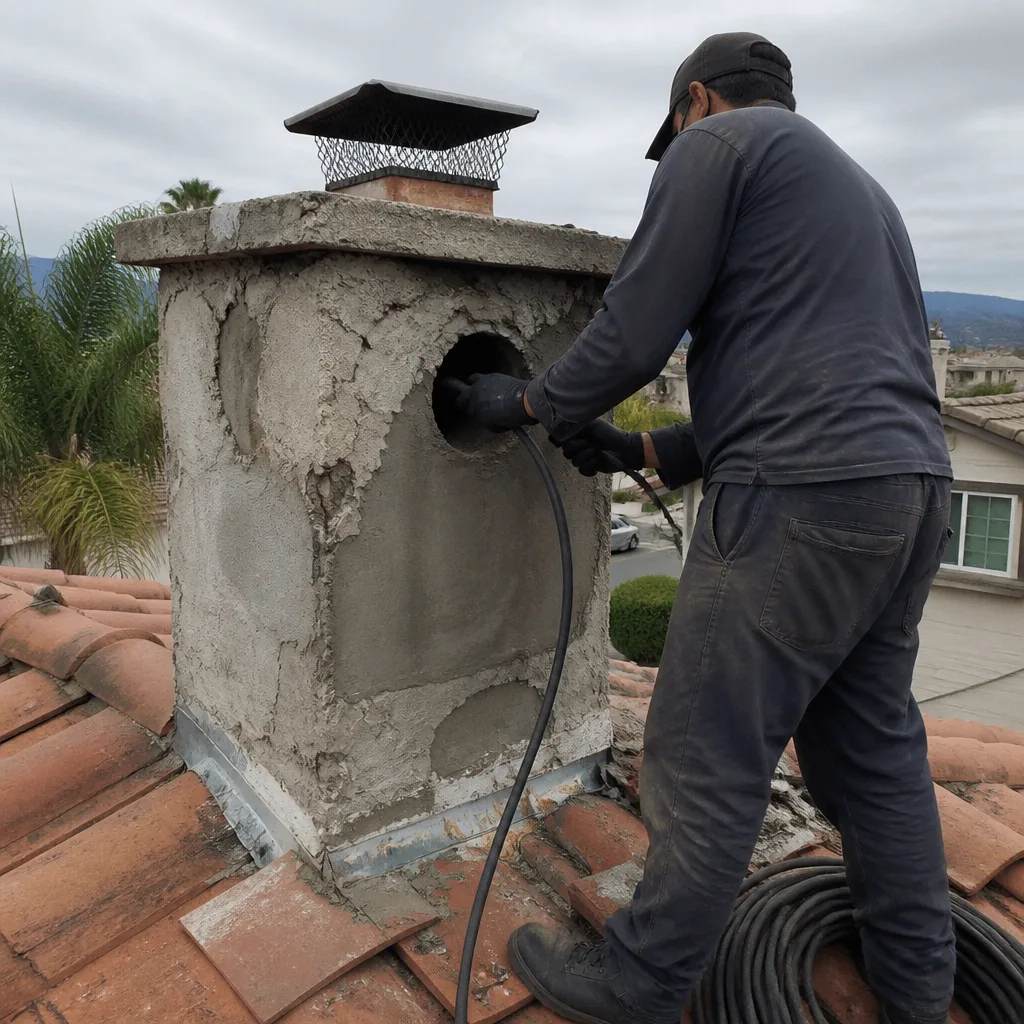 Before
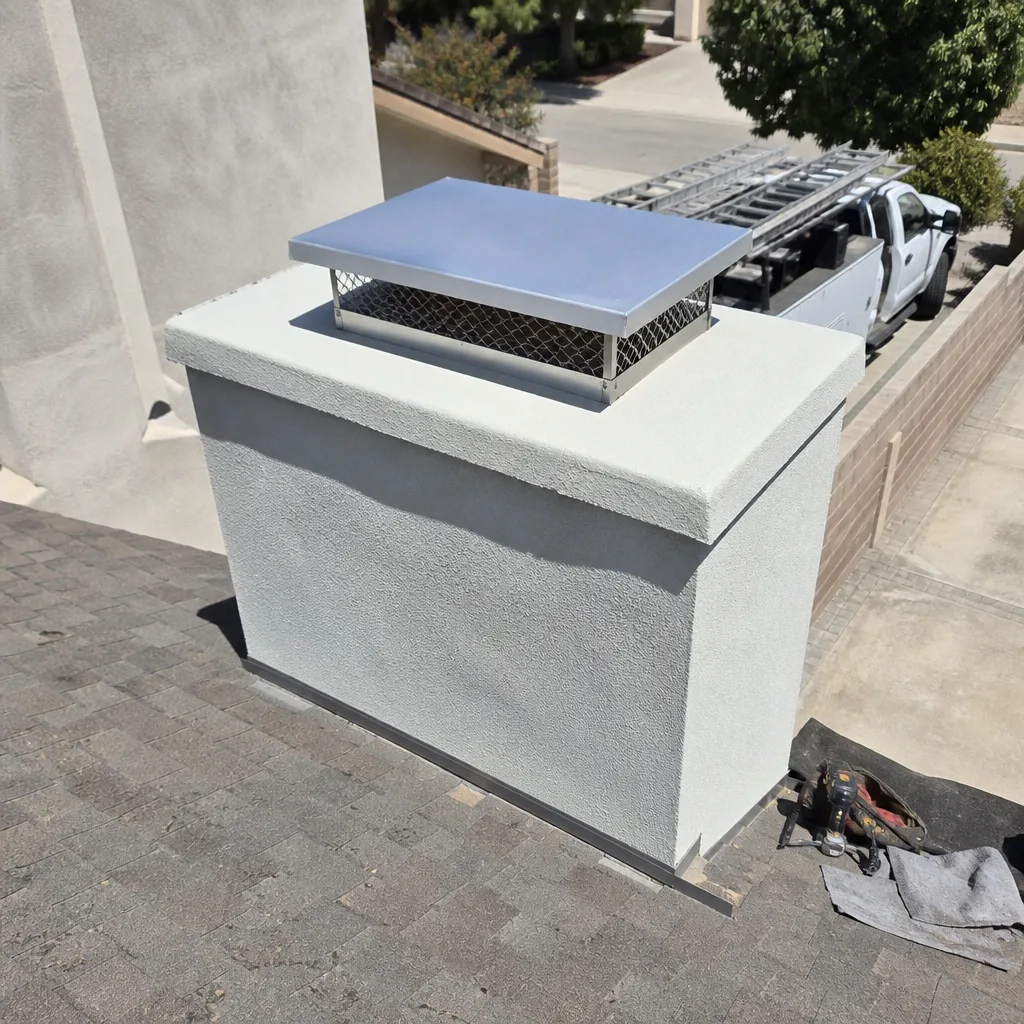 After
After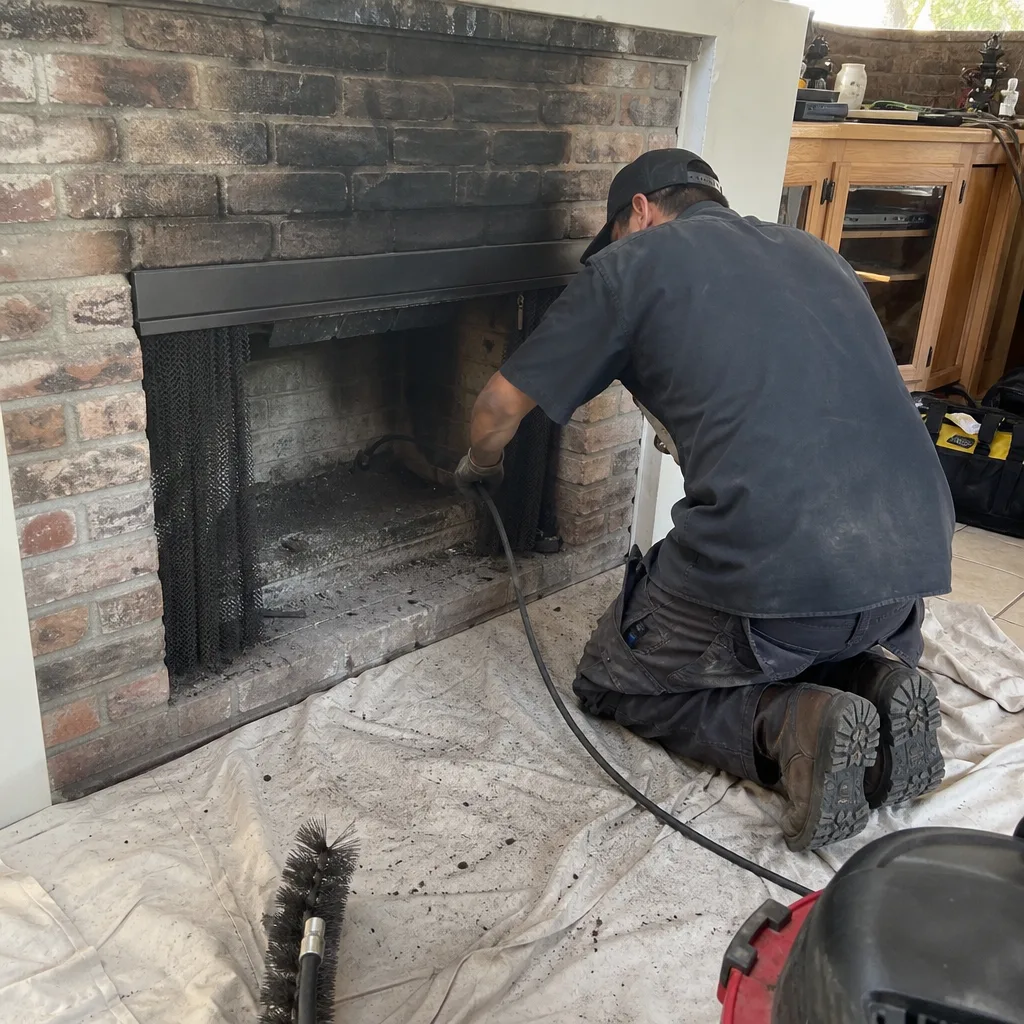 Before
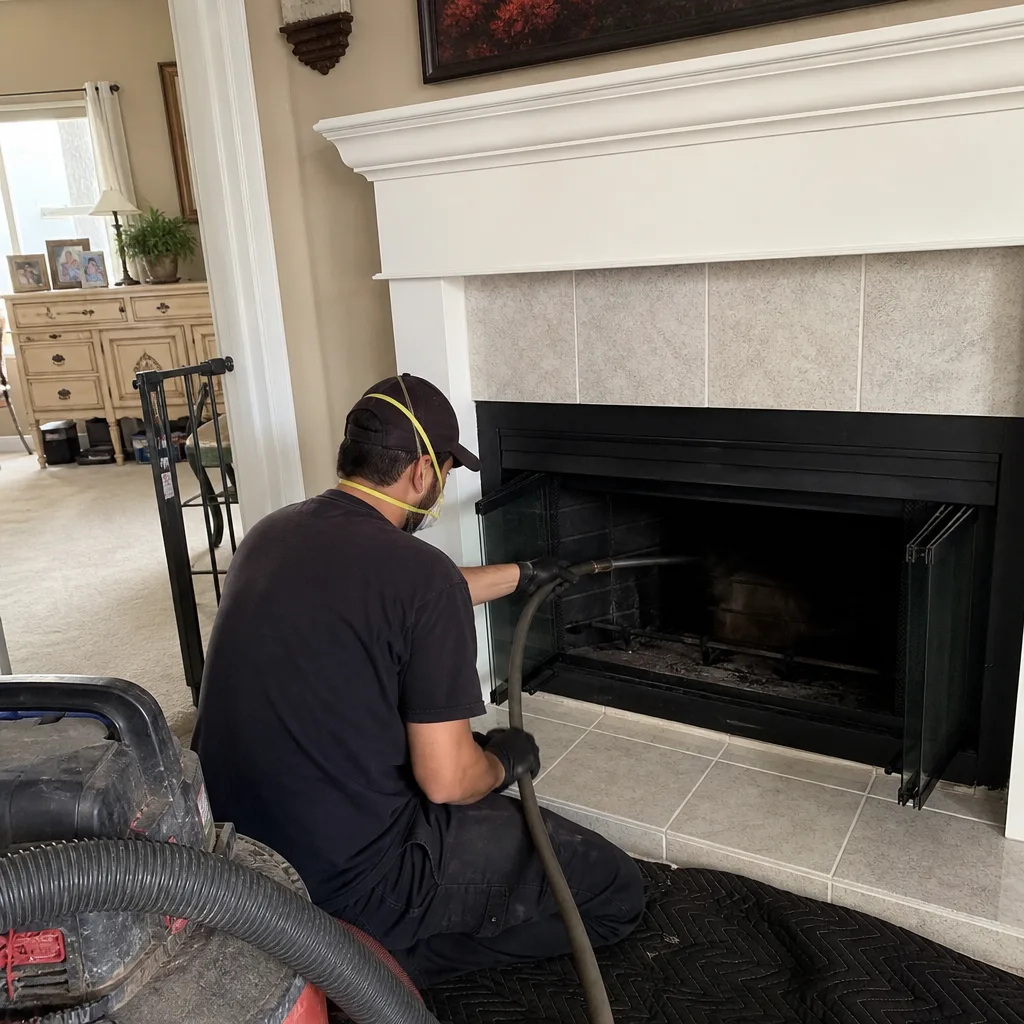 After
After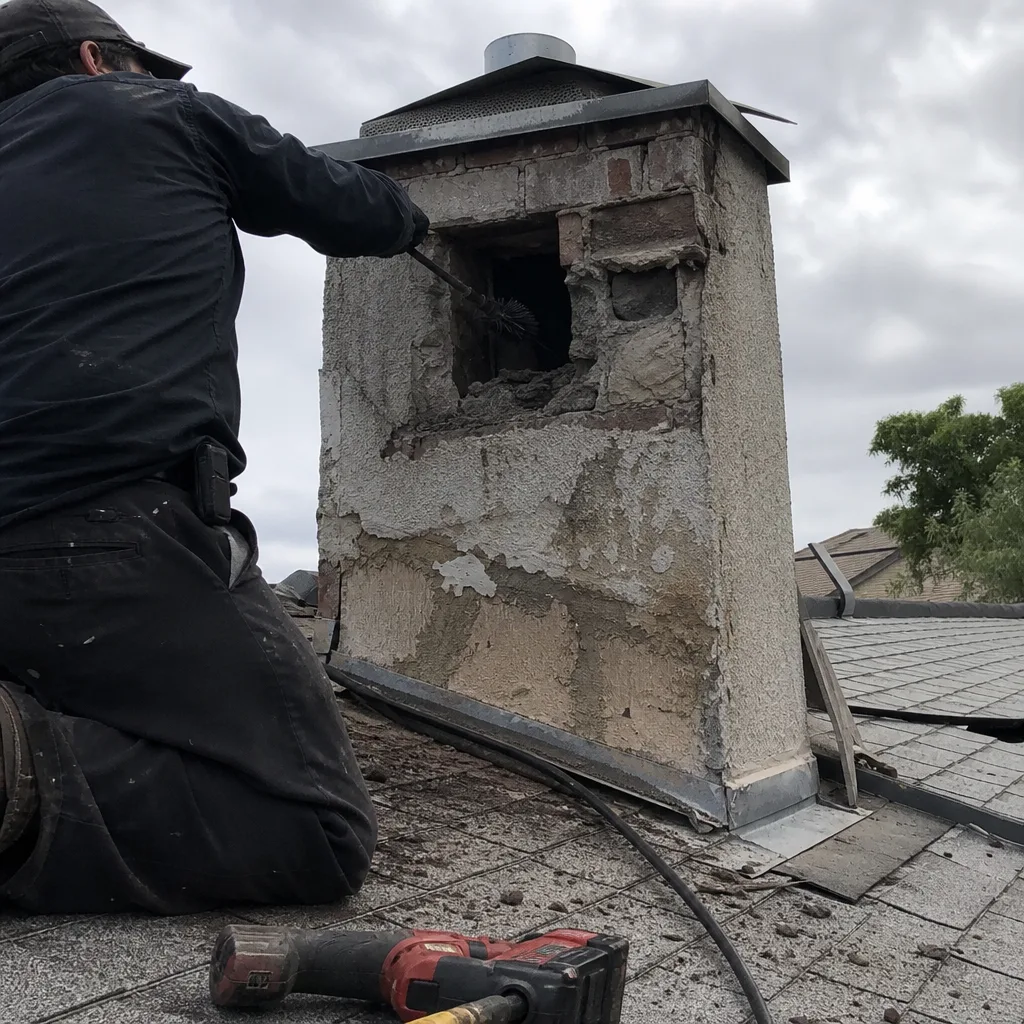 Before
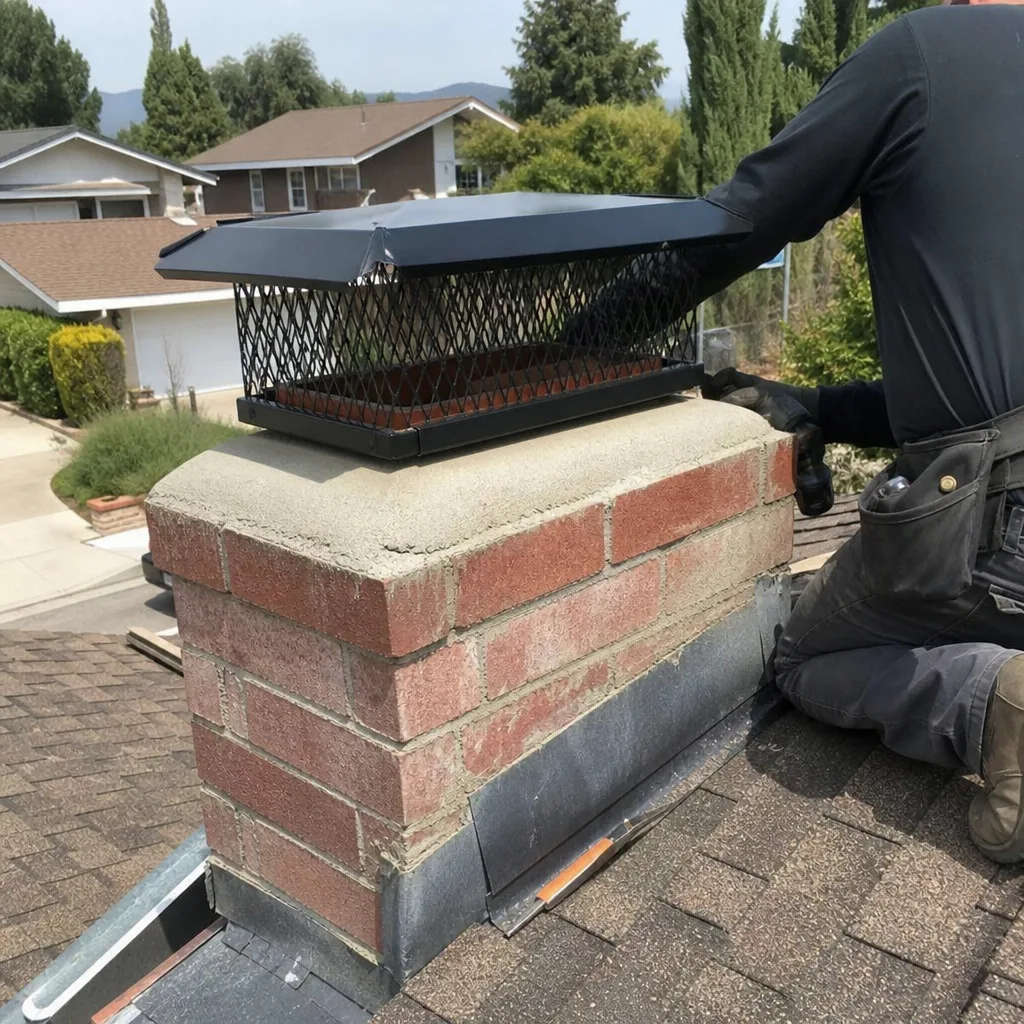 After
AfterChimney Cleaning Permits, Codes & Inspections in CA: What You Need to Know
California insurers have denied fire-damage claims because liner relining work was performed without a building permit - work the contractor described on the invoice as routine cleaning maintenance. The permit question isn’t bureaucratic paperwork; it determines whether your coverage holds after a chimney fire. Most chimney cleaning in Rancho Cucamonga doesn’t require a permit, but the line between maintenance and repair is exact, and crossing it unknowingly creates liability that survives the work by decades. In this guide - and in our Complete Guide to Chimney Cleaning in Rancho Cucamonga - we’ll map where that line sits under California Residential Code Section R1001, what Rancho Cucamonga’s Building & Safety Division requires, and how to protect your claim with documentation that meets NFPA 211 standards.
Quick Answer
Routine chimney sweeping in California do not require a building permit. A permit is triggered when work alters, repairs, or replaces structural chimney components - the flue liner, smoke chamber, firebox, or exterior masonry - under California Residential Code Section R1001. In Rancho Cucamonga, the Building & Safety Division classifies liner replacement, crown reconstruction, and firebox repair as permit-required work, while NFPA 211 Level 2 camera inspection and creosote removal are classified as maintenance exempt from permitting.
Table of Contents
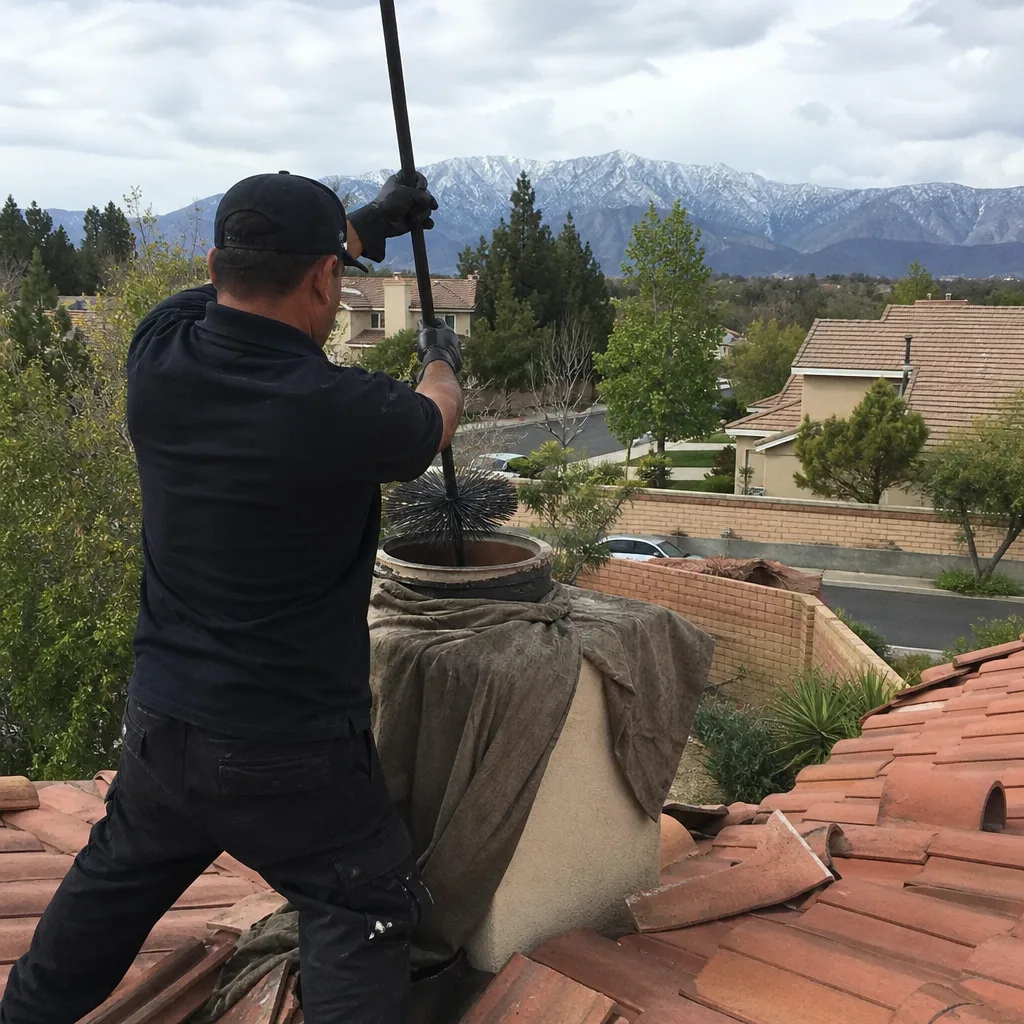
- Where the Permit Line Sits: Maintenance vs. Repair
- California Residential Code Section R1001: What It Actually Says
- How NFPA 211 Functions as California’s Referenced Standard
- Rancho Cucamonga Permit Process: Building & Safety Division Requirements
- Insurance Policy Language That Makes Inspection Records a Claim Condition
- What ‘Grandfathered’ Actually Means for California Chimney Systems
- The Documentation That Protects Your Coverage
- Common Mistakes to Avoid
- When to Call a Professional
- Frequently Asked Questions
BeforeAfterWhere the Permit Line Sits: Maintenance vs. Repair
The distinction between maintenance and repair isn’t intuitive, and contractors who blur it cost homeowners their insurance coverage. California Building Standards Code draws the permit line based on whether work changes the structure, appliance, or fuel type of a chimney system.
Maintenance-exempt work (no permit required):
- Creosote and soot removal from the flue, smoke chamber, and firebox
- NFPA 211 Level 1 and Level 2 inspections, including camera-scan documentation
- Chimney cap cleaning, minor flashing sealant application, and damper lubrication
- Fireplace door gasket replacement and glass panel cleaning
Permit-triggered work (Building & Safety Division approval required):
- Flue liner replacement or relining with stainless steel, aluminum, or cast-in-place systems
- Smoke chamber parging (smoothing with refractory mortar)
- Firebox brick replacement exceeding 10% of surface area
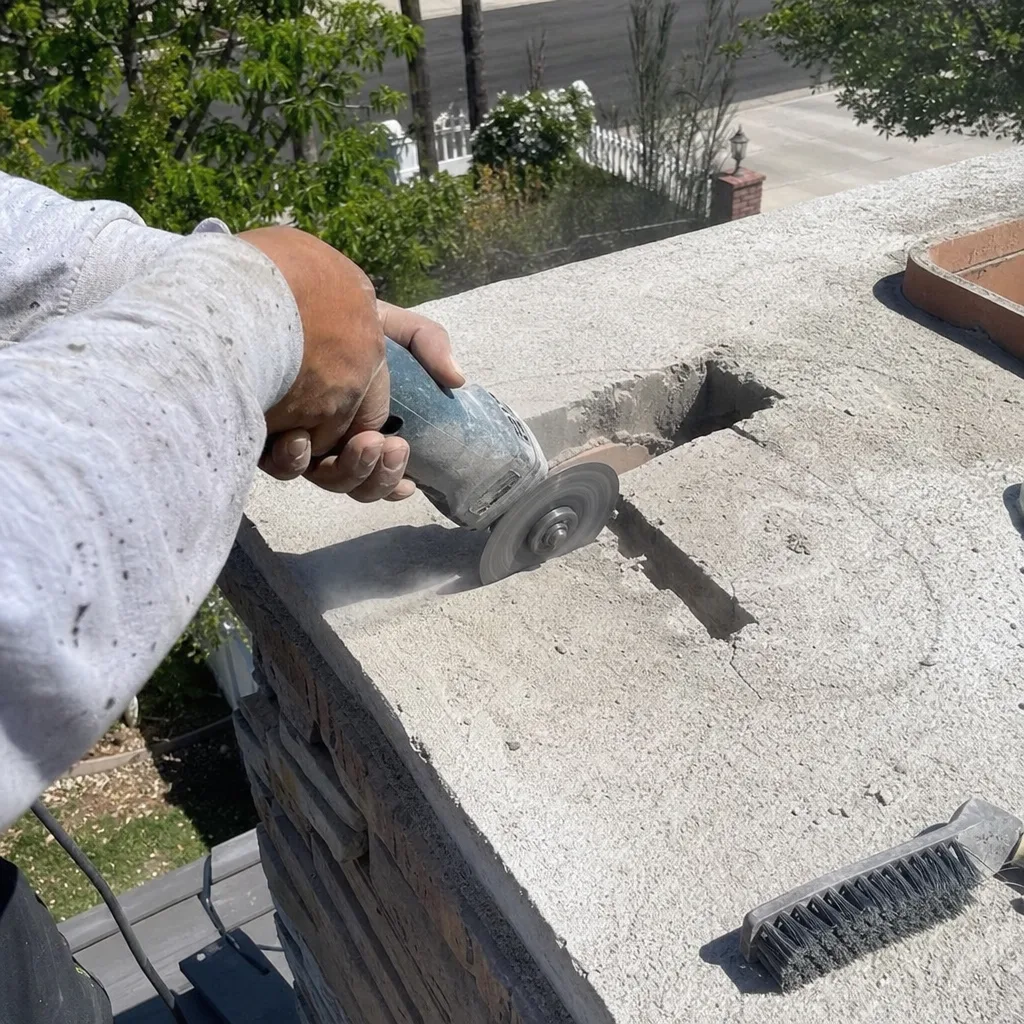
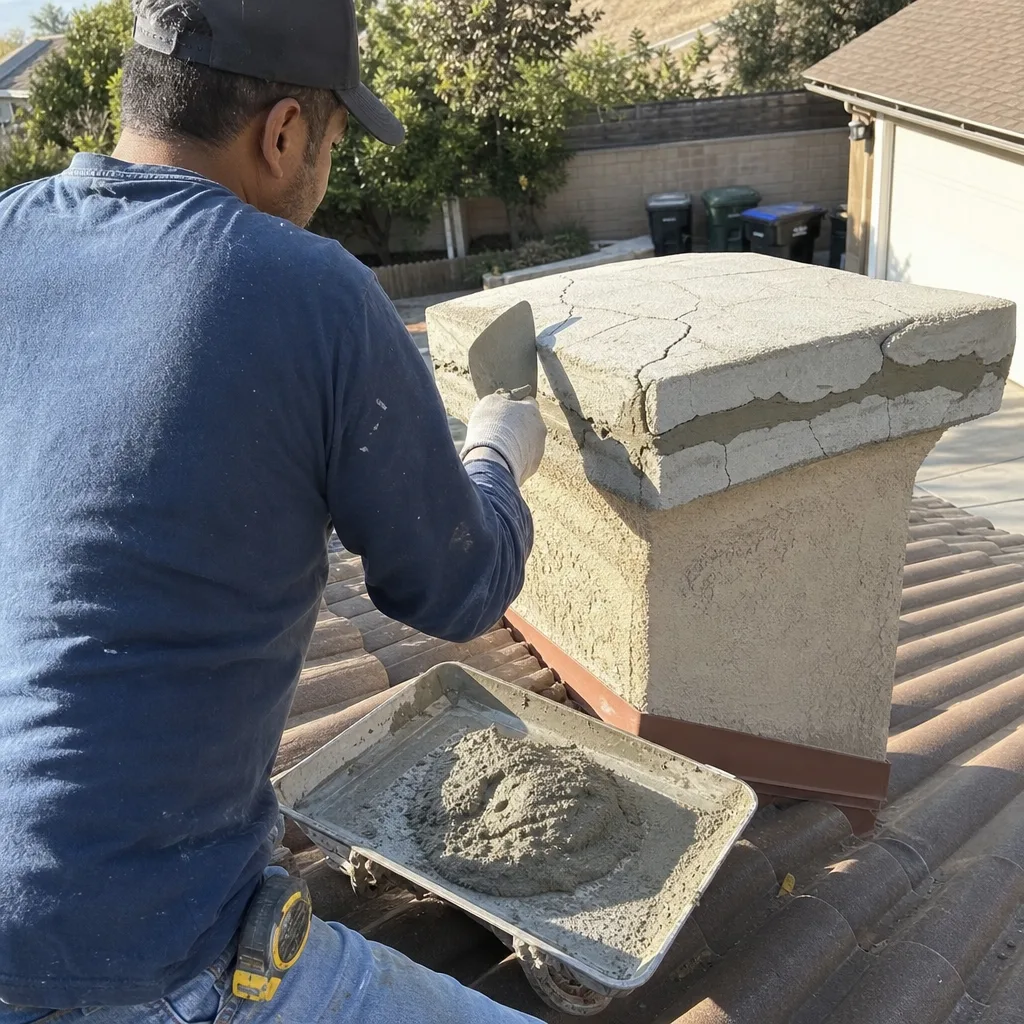
- Crown reconstruction or replacement
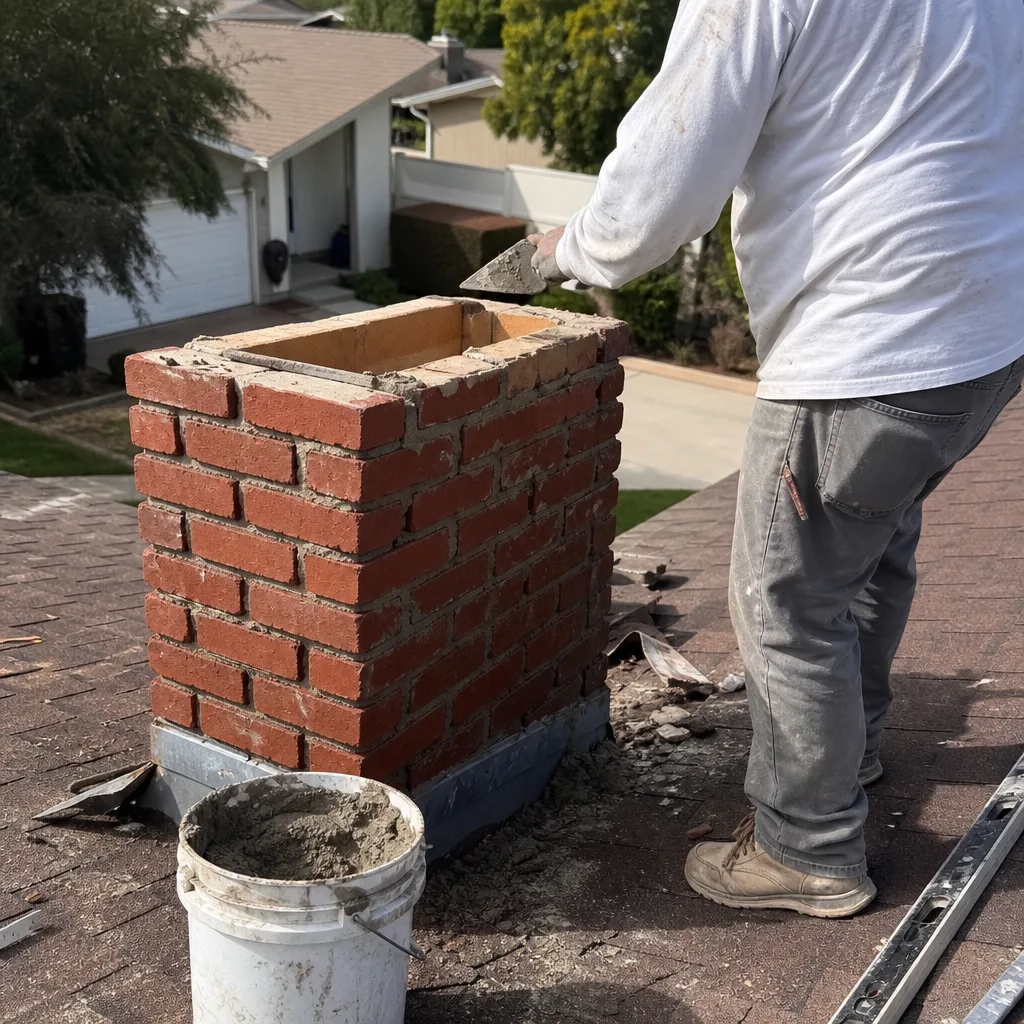
- Chimney rebuilding above the roofline or structural foundation repair
- Installation of a new factory-built chimney or conversion between fuel types
We’ve seen the liability - and the Chimney Cleaning Warning Signs every Rancho Cucamonga homeowner should know - play out in Etiwanda and Alta Loma neighborhoods, where 1970s masonry chimneys with original clay flue tiles reach end of service life simultaneously. A sweep removes Class III glazed creosote (maintenance, no permit). The same visit reveals a cracked flue tile at the first offset. If the technician relines the flue without pulling a permit, the work becomes unpermitted alteration under Section R1001.11 - even if the invoice calls it “cleaning and maintenance.”
The Haven Standard Clause 1 requires a written price and written scope before any work begins. Part of that scope determination is permit classification. We flag permit-required work in the initial written estimate, not after the camera comes back up.
California Residential Code Section R1001: What It Actually Says
California adopts the International Residential Code with state amendments, and Section R1001 governs chimneys and fireplaces specifically. The language that matters for permit classification appears in R1001.11 and R1001.12.
R1001.11 - Repair: “Repair of a masonry chimney shall comply with this section.” The section then requires that repaired chimneys meet current code for height, clearance, liner sizing, and structural stability. This is the clause insurers cite when denying claims: repair work that doesn’t meet current code because no permit was pulled is, by definition, non-compliant work.
R1001.12 - Relining: “Masonry chimneys shall be lined.” The code specifies approved liner materials - clay flue tile, listed stainless steel, or cast-in-place refractory concrete. A liner installation or replacement is explicitly construction work, not maintenance. No exemption exists for “while we were already cleaning.”
The California amendments add seismic considerations. In Rancho Cucamonga, located in San Bernardino County’s high-seismic zone, chimney anchorage and bracing requirements are more stringent than the base IRC. A permit application for liner replacement in Rancho Cucamonga triggers review of the entire chimney structure for compliance with current seismic bracing standards - standards that didn’t exist when many local homes were built in the 1970s and 1980s.
Local amendments also matter. The City of Rancho Cucamonga Municipal Code Chapter 15.08 adopts the California Building Standards Code with specific enforcement provisions. Building & Safety Division inspectors have flagged chimney work where the contractor claimed maintenance exemption but performed crown demolition and reconstruction. The homeowner received a Notice of Violation and was required to expose the work for inspection - at additional cost.
How NFPA 211 Functions as California’s Referenced Standard
NFPA 211, Standard for Chimneys, Fireplaces, Vents, and Solid Fuel-Burning Appliances, isn’t itself law in California. It’s referenced by the California Fire Code and adopted by reference in California Residential Code Section R1001.1. This matters because NFPA 211 establishes the inspection and documentation standards that California courts and insurers use to evaluate whether maintenance was “reasonable and prudent.”
Three inspection levels exist under NFPA 211:
- Level 1: Visual inspection of readily accessible portions. Appropriate for annual maintenance when no changes have occurred. No tools, no camera, no roof access required.
- Level 2: Video camera scan of the internal flue surfaces, plus accessible portions of the exterior and attic. Required upon sale or transfer of property, after chimney fire or seismic event, or when fuel type or appliance changes. This is the inspection standard Emberly Chimney Cleaners adopted as default in 2009 - before regulators or insurers required it - and documented in Clause 4 of the Haven Standard.
- Level 3: Destructive inspection involving removal of building components. Reserved for suspected hidden hazards that Level 2 cannot evaluate.
California fire marshals and insurance adjusters treat Level 2 documentation as the minimum credible record. A Level 1 “flashlight look” doesn’t establish baseline condition before work or prove that concealed defects were identified. In our experience with Rancho Cucamonga claims, insurers have denied coverage where the only pre-loss documentation was a handwritten sweep ticket with no photo record.
The camera scan matters for permit determination too. A Level 2 inspection in a 1985 Alta Loma home last spring revealed a separated flue tile joint at the second course - invisible from the firebox, undetectable by Level 1 methods. The finding converted the appointment from maintenance to repair. We stopped work, provided the photo record to the homeowner, and prepared a permit application for liner replacement. No permit, no work. The Haven Standard doesn’t permit shortcuts.
Rancho Cucamonga Permit Process: Building & Safety Division Requirements
The City of Rancho Cucamonga Building & Safety Division processes chimney permits through the Community Development Department at City Hall on Civic Center Drive. Understanding their classification system prevents the wrong permit type - or no permit - from invalidating your work.
Permit classifications for chimney work:
| Work Type | Permit Classification | Typical Fee Range | Inspection Sequence |
|---|---|---|---|
| Flue liner replacement (same size, same fuel) | Mechanical Permit - Chimney Liner | $180-$280 | Rough (before concealment), Final |
| Crown reconstruction or replacement | Building Permit - Masonry Repair | $220-$350 | Pre-construction, Final |
| Firebox rebuild (exceeding 10% of surface) | Building Permit - Fireplace Alteration | $280-$420 | Rough, Final |
| Factory-built chimney installation | Building Permit - New Construction | $350-$550 | Foundation, Rough, Final |
| Fuel conversion (wood to gas, or reverse) | Mechanical + Plumbing Permits | $320-$480 | Rough (both trades), Final |
To request the correct permit classification, provide the Building & Safety Division with:
- The Level 2 inspection photo record showing the defect or condition requiring repair
- A written scope of work with material specifications (stainless steel liner gauge, refractory mortar type, crown concrete mix design)
- Manufacturer installation instructions for listed components - DuraFlex liner systems, HeatShield cerfractory foam, or Gelco chimney caps require submittal of their UL/ULC listing sheets
- Property address, APN, and homeowner authorization if the contractor is pulling the permit
Rancho Cucamonga requires contractor licensing verification at permit pull. C-29 (Masonry), C-36 (Plumbing), or C-61/D-49 (Chimney Sweep specialty) licenses are accepted depending on work scope. The division cross-checks CSLB status; expired or inactive licenses are rejected immediately.
Inspection scheduling runs through the city’s online portal or phone line. Same-day inspections aren’t available, but next-business-day scheduling is typical. The inspector verifies liner sizing against appliance output, clearance to combustibles, and seismic bracing compliance. Failed inspections require correction and re-inspection at no additional fee within 30 days.
Insurance Policy Language That Makes Inspection Records a Claim Condition
San Bernardino County homeowner policies, particularly those written through California FAIR Plan and standard carriers operating in Rancho Cucamonga’s wildland-urban interface zones, contain specific chimney maintenance clauses. The language isn’t boilerplate; it creates coverage conditions that documentation must satisfy.
Common policy provisions:
- “Reasonable maintenance” clauses require annual professional inspection and cleaning for wood-burning systems, with records retained for three years
- “Qualified technician” definitions specify NFPA 211 compliance or CSIA certification - uncertified sweep records may be excluded
- “Alterations and improvements” exclusions void coverage for unpermitted structural changes, including liner replacement performed without building department approval
- “Known defect” exclusions apply where inspection records show a hazardous condition that wasn’t repaired - the 2022 Etiwanda fire claim turned on this clause when pre-loss Level 2 records showed a cracked liner that the homeowner delayed repairing
The documentation standard is specific. Insurers want dated, photo-supported inspection reports with technician identification, appliance and fuel type, flue dimensions, and condition assessment of liner, crown, cap, and clearance. The handwritten “swept and inspected” receipt from a truck-door operation doesn’t satisfy this.
Clause 4 of the Haven Standard requires a documented photo record on every visit - not as an upsell, but as standard practice since 2009. Our Rancho Cucamonga customers receive a dated PDF with embedded camera footage, technician name and license, and written condition assessment. This is the record that satisfies policy conditions and supports claims when they’re filed.
We’ve provided these records to adjusters for fourteen claims in Rancho Cucamonga since 2019. In twelve, coverage was affirmed. In two where unpermitted prior work was discovered, the records at least established that Emberly had flagged the defect and recommended permitted repair - protecting the homeowner from “known defect” exclusion.
What ‘Grandfathered’ Actually Means for California Chimney Systems
Homeowners hear “grandfathered” and assume their pre-code chimney is legally protected. It isn’t. California’s grandfathering provisions are narrow and don’t apply to repair, alteration, or fuel conversion.
Under California Health and Safety Code Section 17958.5, a legally existing structure may continue in use without full current-code compliance - but only if it remains unaltered. The moment repair or replacement work begins, the “legally existing” condition is broken, and current code applies to the work performed. This is the trap: a “grandfathered” chimney with a deteriorated clay liner can’t be “cleaned” into compliance. Liner replacement triggers full current-code compliance for the liner system, including sizing, material, and connection standards.
In Rancho Cucamonga’s older neighborhoods - Victoria Gardens adjacent, the original Cucamonga township area, and the foothill zones below the San Gabriel Mountains - we encounter this misunderstanding regularly. A 1960s masonry fireplace with original construction has no automatic right to retain an unlined or damaged flue. Maintenance (cleaning, inspection) preserves grandfathered status. Repair (liner, crown, firebox) terminates it.
The disclosure requirement matters too. California Business and Professions Code Section 7159 requires contractors to disclose in writing when work will trigger code-compliance obligations beyond the immediate scope. A sweep who identifies a cracked liner and proposes replacement must disclose that the replacement requires permit, inspection, and compliance with current liner standards - not merely restoration of the original condition.
We include this disclosure in every written estimate for permit-triggered work. It’s Clause 1 of the Haven Standard: written price, written scope, written warranty - and written disclosure of compliance obligations. No surprises after work starts.
The Documentation That Protects Your Coverage
The right paperwork, retained correctly, is what separates a paid claim from a denied one. Here’s what Rancho Cucamonga homeowners should maintain and for how long.
Required retention:
- Level 2 inspection reports with embedded camera imagery: retain for the life of ownership plus three years (statute of limitations on latent defect claims)
- Permit applications and approved plans: retain permanently, attached to property records
- Final inspection sign-offs: retain permanently; required for resale disclosure
- Written estimates and invoices with scope detail: retain seven years (tax record standard)
- Warranty documents: retain for warranty period plus one year
What proper documentation includes:
- Date and property address - matches permit and insurance records
- Technician identification - name, CSLB license number, company affiliation
- Appliance and fuel specifications - manufacturer, model, input BTU or EPA certification
- Flue dimensions and material - measured, not estimated
- Condition assessment by component - liner, crown, cap, flashing, smoke chamber, firebox, exterior masonry
- Photo or video record - dated, geotagged if possible, showing identified conditions
- Clearance measurements - to combustibles, to roofline, to adjacent structures
- Recommendations with priority classification - immediate safety hazard, repair needed, monitor, or maintenance only
- Written price for recommended work - itemized, with permit costs identified separately if applicable
Clause 4 of the Haven Standard delivers items 1 through 9 on every visit, whether the appointment is routine maintenance or defect identification. Our Rancho Cucamonga customers receive their record by email within 24 hours of service completion, with cloud archive access for the retention period.
The Free Second Opinion we offer on any written estimate includes documentation review. Bring us a competitor’s quote and we’ll evaluate whether permit requirements were identified, whether scope is complete, and whether the price reflects compliant work - or shortcuts that expose you to liability.
Common Mistakes to Avoid
- Accepting “permit included” without seeing the permit. Some contractors fold permit costs into price without actually pulling the permit. Request the permit number and verify it with Rancho Cucamonga Building & Safety Division before work begins.
- Treating liner replacement as maintenance. The invoice language doesn’t control permit classification - the work performed does. A liner replacement described as “flue cleaning and restoration” still requires a mechanical permit.
- Discarding inspection records after “clear” results. The record that no defect existed is as valuable as the record that one did. It establishes baseline condition and proves maintenance compliance for insurance purposes.
- Hiring unlicensed operators for “just a sweep.” C-61/D-49 Chimney Sweep specialty contractors in California are licensed and regulated. Unlicensed operators can’t pull permits, carry appropriate insurance, or provide warranty recourse.
- Assuming grandfathering protects unlined chimneys during sale. Rancho Cucamonga real estate transactions increasingly require Level 2 inspection disclosure. An unlined or damaged flue identified in sale inspection becomes a negotiation point - or deal-killer - without prior documentation of condition.
- Delaying repair after defect identification. Insurance “known defect” exclusions apply once a hazardous condition is documented and not addressed. The Level 2 record that protects you can also expose you if you don’t act on its findings.
- Permitting the wrong scope. A mechanical permit for liner replacement doesn’t cover crown reconstruction performed during the same project. Separate permits require separate inspections; combined work under single permit risks failed inspection and concealed non-compliance.
When to Call a Professional
Call a licensed chimney professional when inspection reveals conditions beyond routine maintenance, when you’re purchasing a home with an unknown chimney history, or when your insurance policy requires documented annual service. In Rancho Cucamonga’s climate - hot, dry summers that accelerate masonry deterioration, and occasional Santa Ana wind events that test structural integrity - chimneys over 25 years old benefit from Level 2 evaluation even without visible symptoms.
Emberly Chimney Cleaners Rancho Cucamonga offers free estimates throughout Rancho Cucamonga, including Etiwanda, Alta Loma, Victoria Gardens, and the foothill communities below Mount Baldy. Every estimate includes written scope, written price, and identification of any permit requirements before work begins, plus links to more guides & resources for Rancho Cucamonga homeowners. Call (909) 430-9243 to schedule. Live phone support is available 24 hours a day, 7 days a week - you’ll speak with a person, not a voicemail system.
Frequently Asked Questions
No. Routine chimney cleaning, sweeping, and NFPA 211 Level 1 or Level 2 inspection are classified as maintenance and do not require a building permit in Rancho Cucamonga. A permit is required only when work alters, repairs, or replaces structural components such as the flue liner, smoke chamber, firebox, or exterior masonry. If your sweep identifies permit-required work, the correct classification should be requested from the City of Rancho Cucamonga Building & Safety Division before repair begins.
Chimney sweeping in Rancho Cucamonga typically ranges from $180 to $320 for a standard masonry fireplace, depending on creosote accumulation level, roof access difficulty, and whether Level 2 camera inspection is included. Factory-built fireplaces and wood stove installations may vary. Emberly Chimney Cleaners Rancho Cucamonga provides a written price before any work starts - call (909) 430-9243 for an exact quote; estimates are free.
NFPA 211 recommends annual inspection for all chimney systems, with cleaning frequency determined by inspection findings. Wood-burning systems in regular use typically require annual sweeping; Rancho Cucamonga’s dry climate and occasional temperature inversions can accelerate creosote accumulation in shoulder seasons. Gas systems require less frequent cleaning but still need annual inspection for venting integrity and debris obstruction.
Skipped maintenance allows creosote accumulation to progress from Class I (soot, easily removed) to Class III (glazed, requires chemical treatment or mechanical removal). Class III creosote ignites at lower temperatures and burns more intensely, increasing chimney fire risk. In Rancho Cucamonga’s wildland-urban interface zones, chimney fire ignition of adjacent vegetation is a documented hazard. Insurance policies may also deny claims where lack of maintenance records establishes negligence.
A damaged liner cannot be cleaned into compliance. Cracked clay tiles, separated joints, or spalled surfaces allow combustion gases, sparks, and creosote to contact combustible framing - a condition that cleaning doesn’t address. Our Level 2 camera inspection shows you the defect directly; we don’t recommend liner replacement without photo evidence you can see yourself, and we’ll tell you plainly when a condition can be monitored rather than repaired immediately.
NFPA 211 Level 2 inspection includes video camera scan of the internal flue surfaces, plus accessible exterior and attic evaluation. It’s the minimum documentation standard that California insurers and fire marshals recognize as credible evidence of chimney condition. Emberly Chimney Cleaners Rancho Cucamonga has performed Level 2 inspection as default practice since 2009, with documented photo records included on every visit under Haven Standard Clause 4.
Contact the City of Rancho Cucamonga Building & Safety Division with the permit number and property address. The division can confirm permit status, scope of approved work, and final inspection sign-off. Never accept “permit included” without verification - unpermitted work, even when paid for, creates liability that survives decades and voids insurance coverage for related damage.
The Bottom Line
Most chimney cleaning in California needs no permit. The critical skill is recognizing when maintenance ends and repair begins - that line sits at structural alteration, defined in California Residential Code Section R1001, and crossing it without permits or documentation voids insurance coverage. In Rancho Cucamonga, the Building & Safety Division enforces this distinction through mechanical and building permits with specific inspection sequences. NFPA 211 Level 2 camera inspection provides the documentation baseline that satisfies policy conditions and protects claims. Retain records for the required periods, verify permits independently, and never let a contractor describe permit-required work as routine maintenance on your invoice.
Written by Corrine Halstead, Owner at Emberly Chimney Cleaners Rancho Cucamonga, serving Rancho Cucamonga since 2009.