
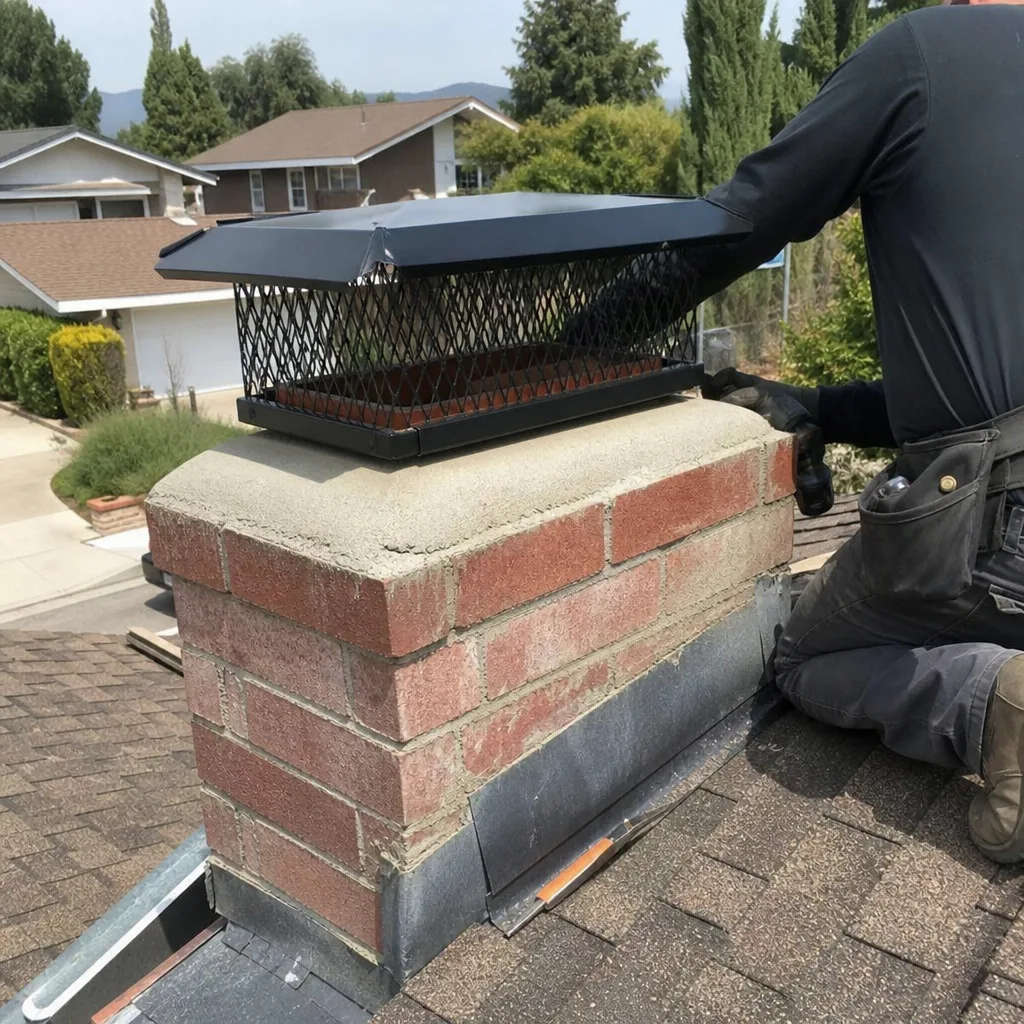
Level 1 sweep and inspection to the NFPA 211 annual standard - flue, crown, cap, and flashing checked and photographed
Chimney sweep logs do not sweep chimneys. They loosen some creosote - which then falls where a brush and vacuum still have to collect it.
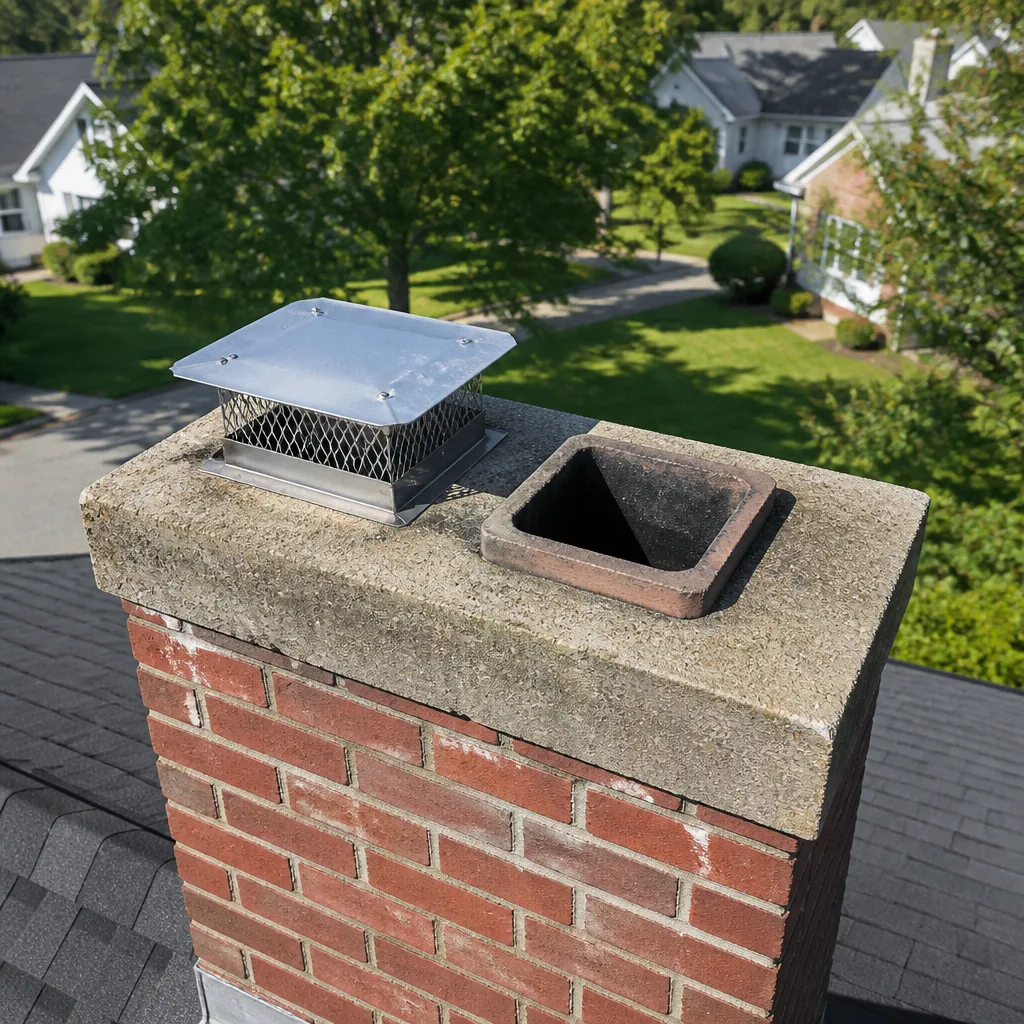
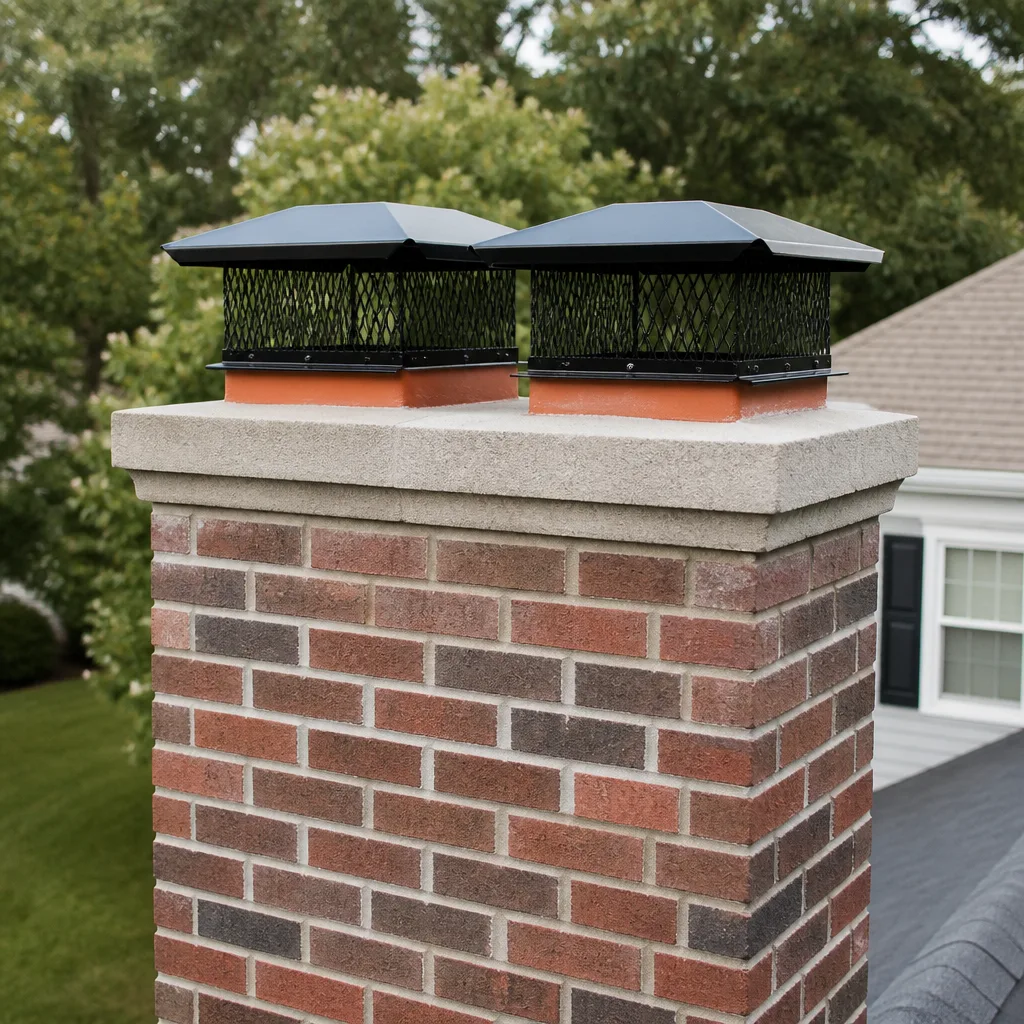
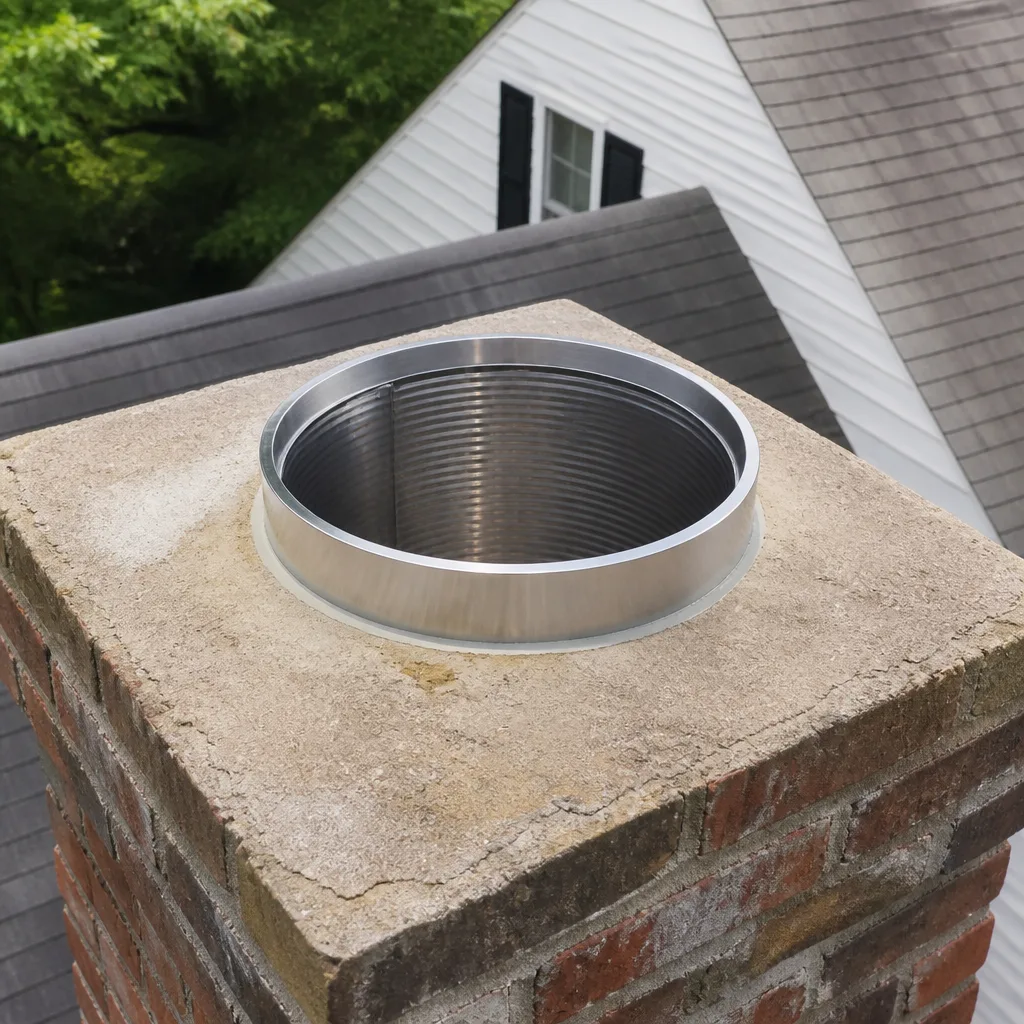
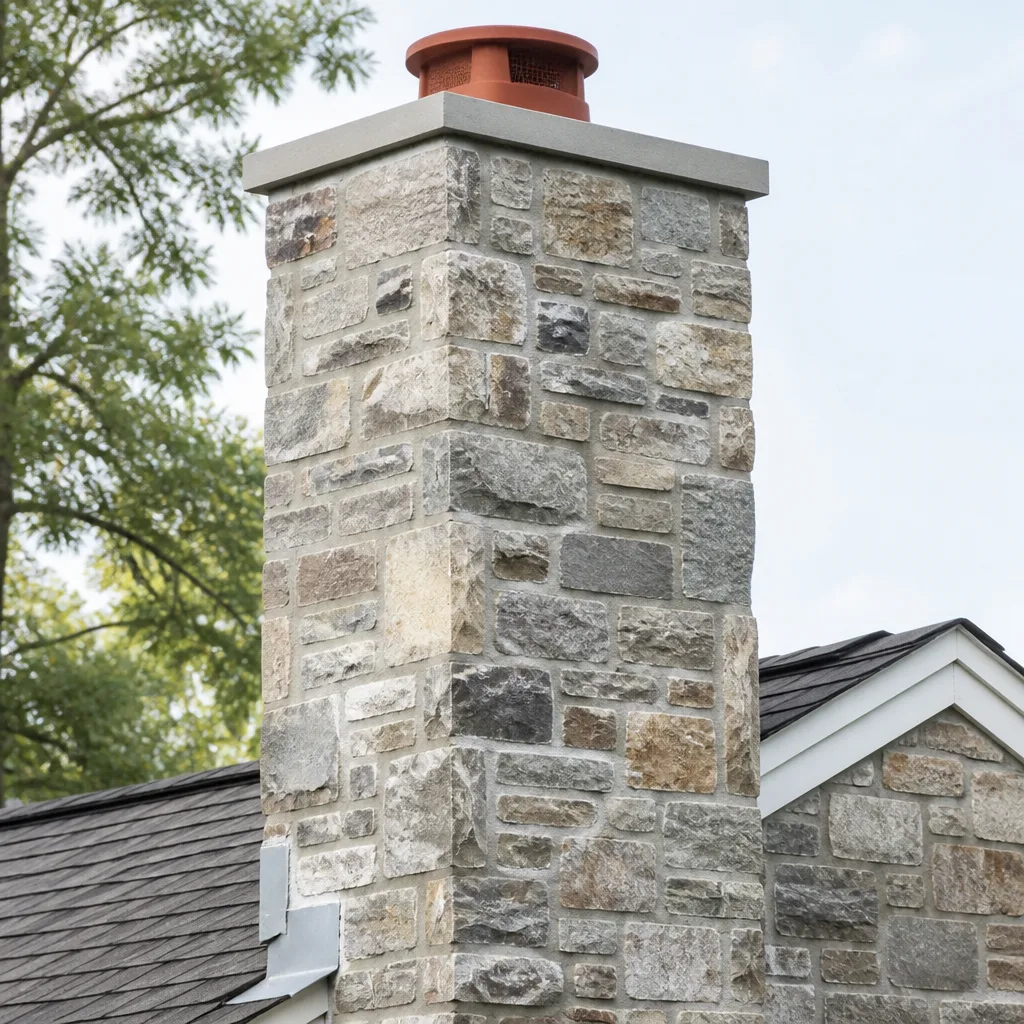
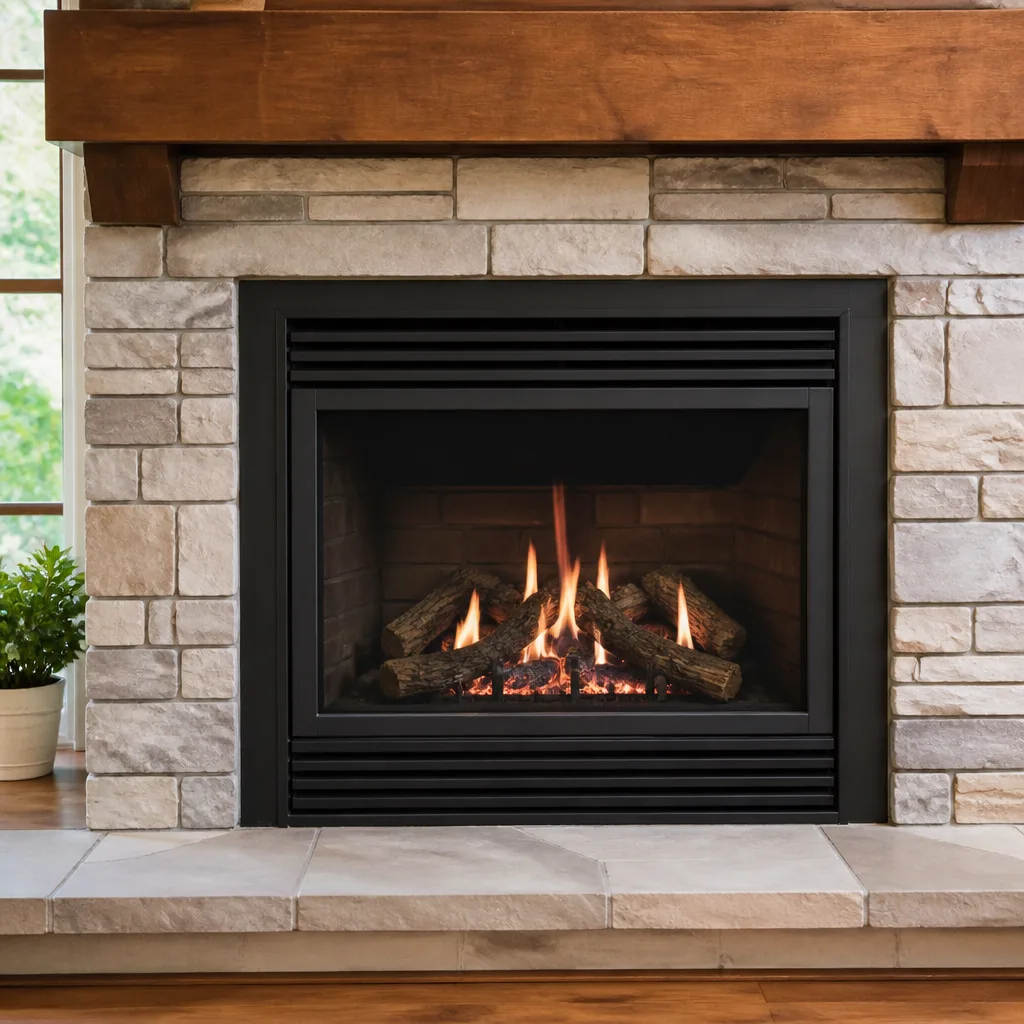
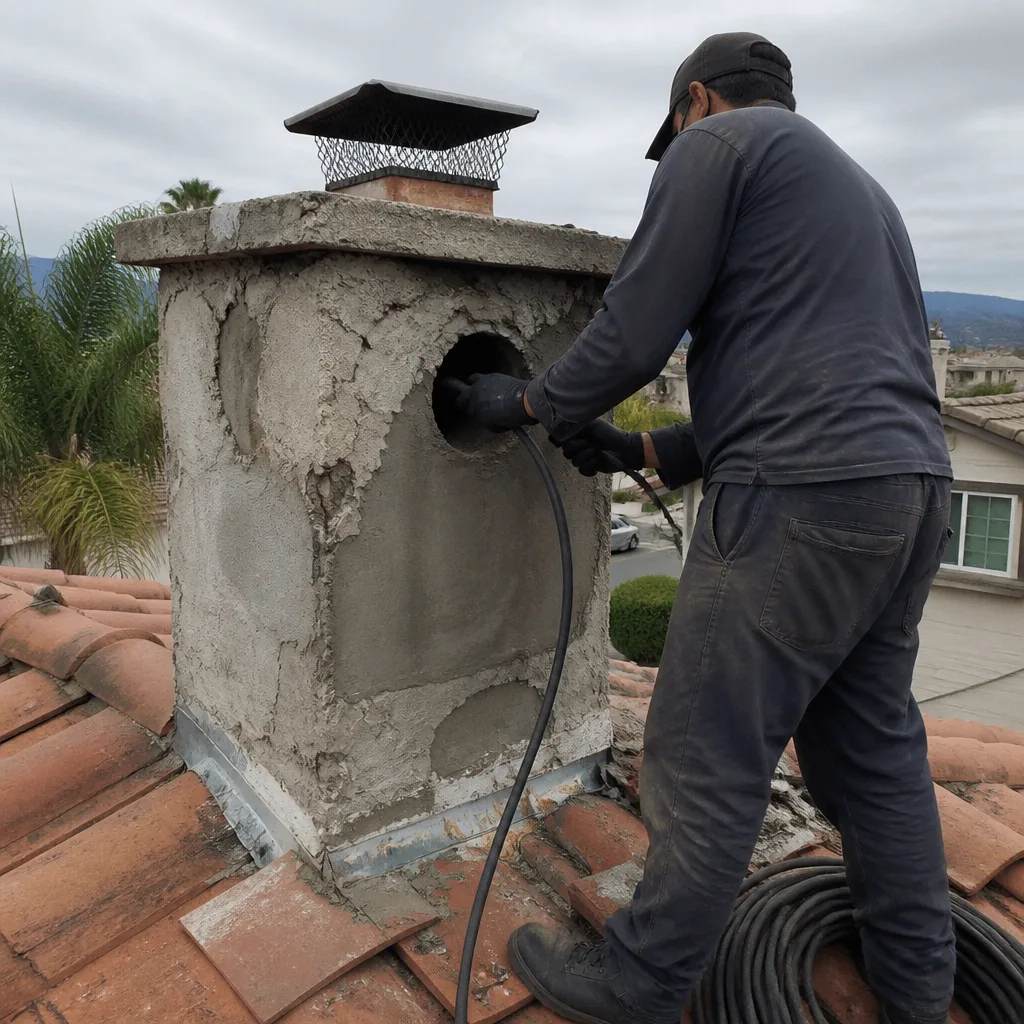 Before
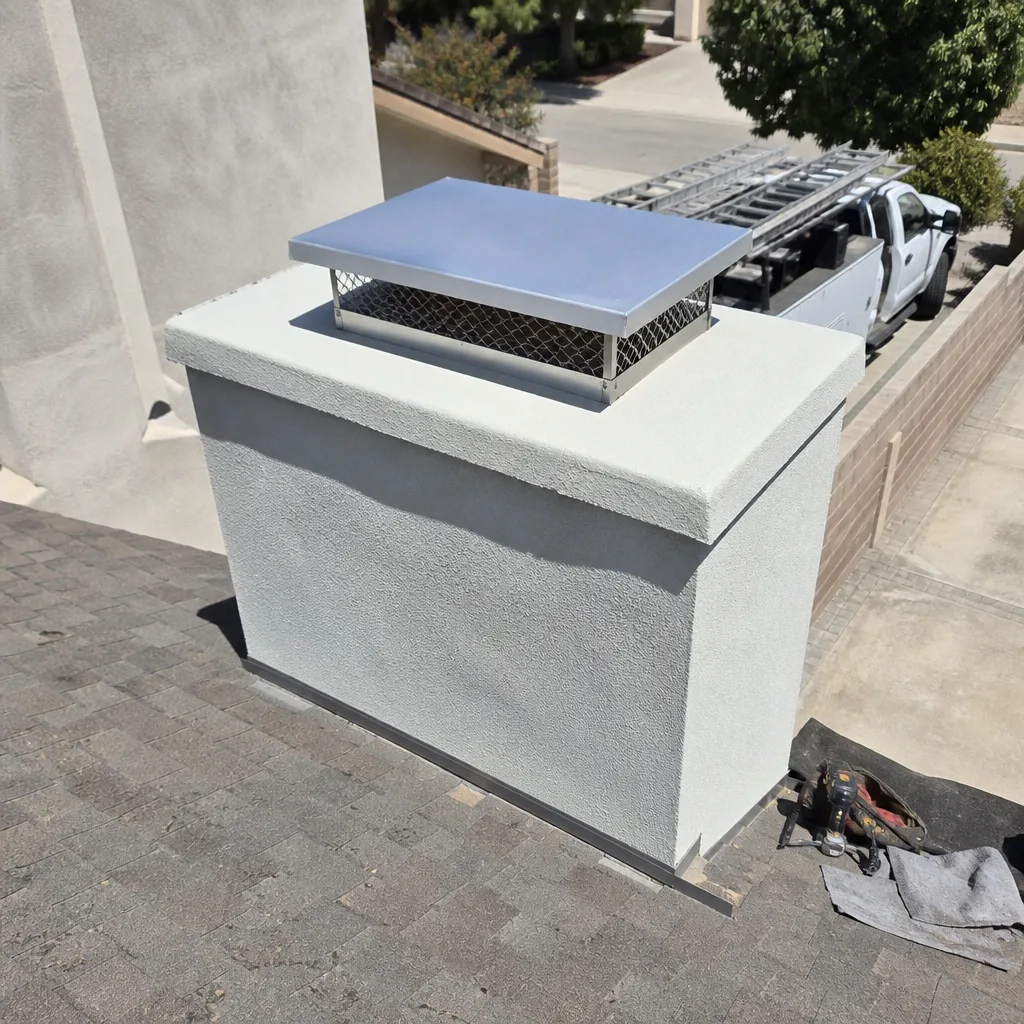 After
After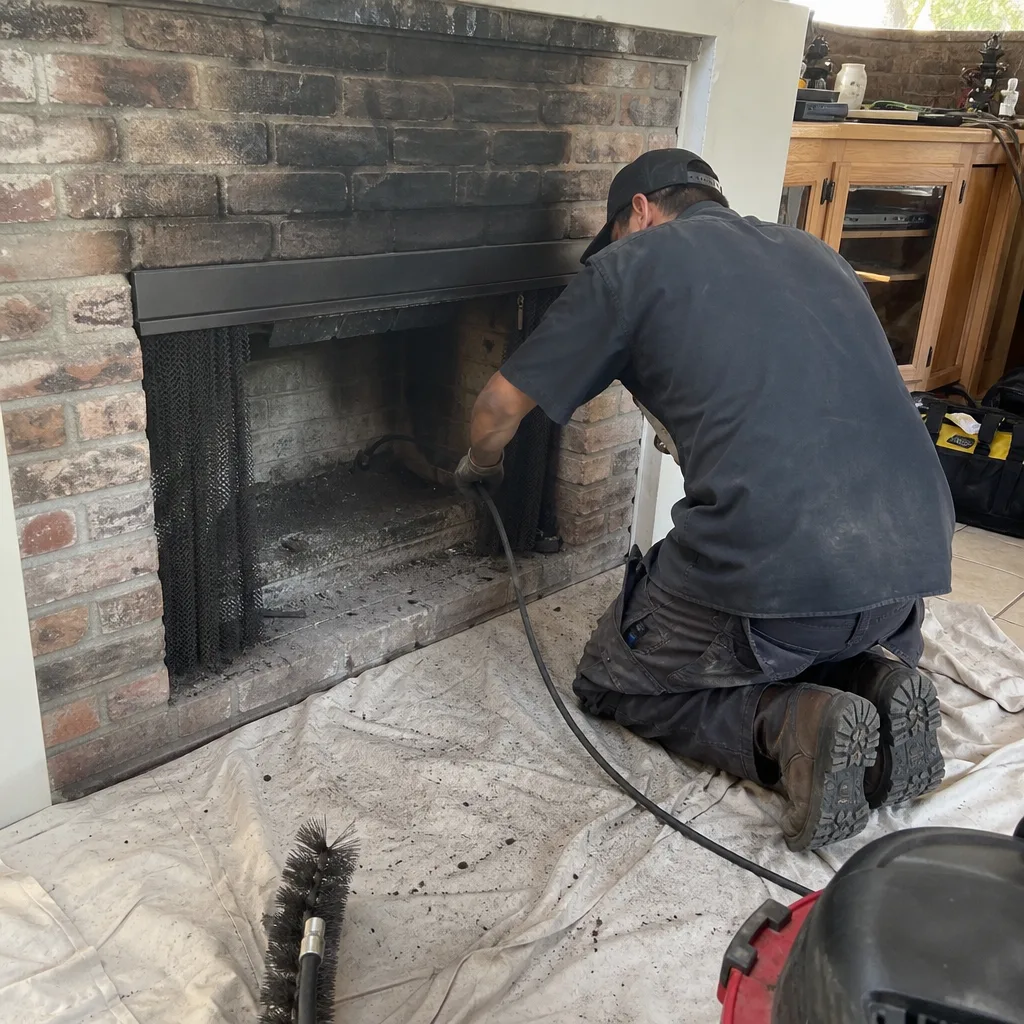 Before
 After
After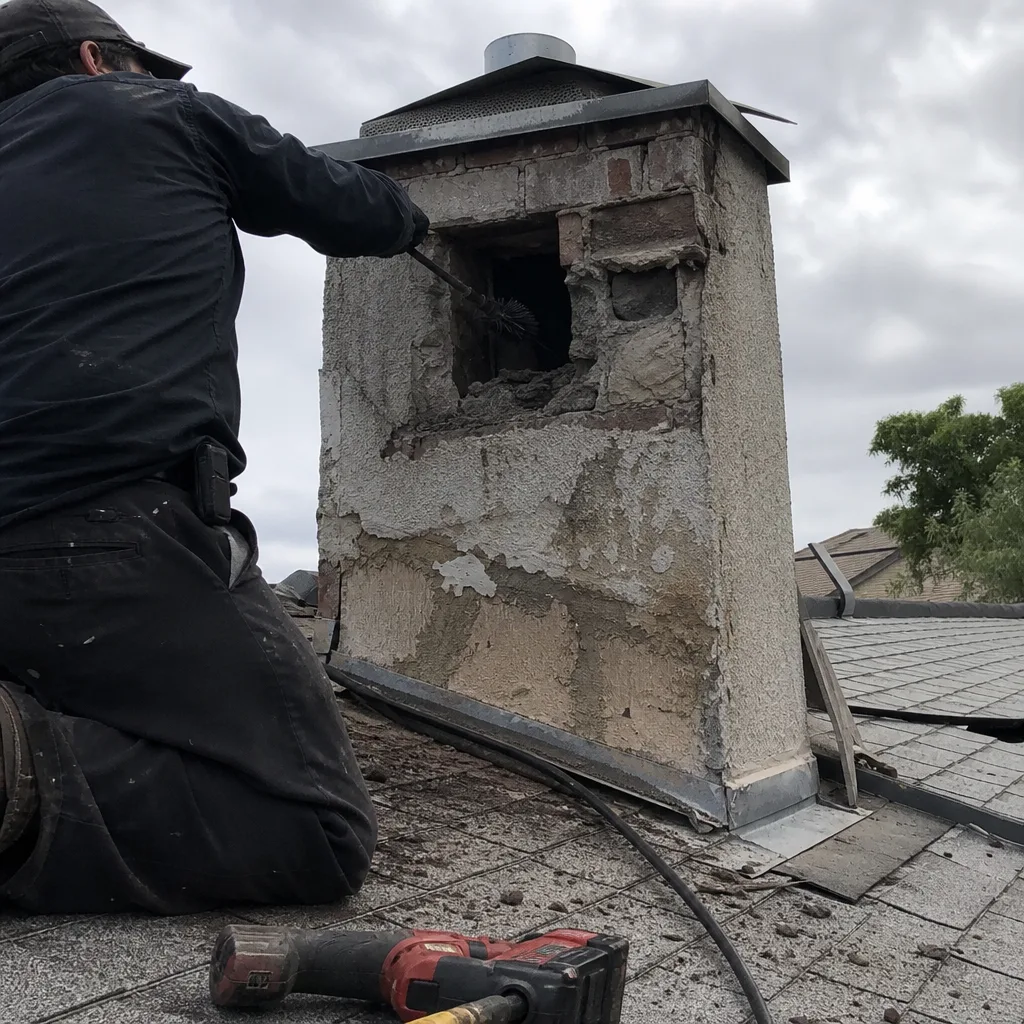 Before
 After
AfterCreosote Removal in Rancho Cucamonga, CA
Creosote removal in Rancho Cucamonga typically costs between $180 and $650, depending on how much has built up and which classification it’s reached. Most standard Chimney Cleaning & Sweep services – where creosote is still in Class I or early Class II – are handled in a single visit with rotary brush equipment and a camera inspection included. Class III deposits require chemical treatment and a follow-up, and pricing reflects that additional work upfront before anyone starts.
We’ve been doing this since 2009 at Emberly Chimney Cleaners Rancho Cucamonga, and creosote buildup is the single most common thing we document on camera during Fireplace Cleaning visits in Inland Empire homes. Rancho Cucamonga’s mild winters create a specific problem: homeowners use their fireplaces sporadically – maybe a handful of cold nights between November and February – and low, smoldering fires deposit more creosote than hot, sustained burns. By the time a chimney gets its first cleaning in years, that light seasonal use has often produced a heavier glaze than anyone expected.
Every creosote removal job we run is quoted in writing before work starts – that’s Haven Standard Clause 1, and it’s not optional. You’ll know the price, the scope, and the warranty on paper before our tech touches anything. If you want to schedule or get a second set of eyes on a competitor’s written estimate, call us at (909) 430-9243. A live person picks up, every time. Our Chimney Cleaning & Sweep in Rancho Cucamonga page covers the full scope of what a standard cleaning includes if you want context before deciding what your fireplace actually needs.
When You Need Creosote Removal
Creosote accumulates any time wood combustion gases cool before they exit the flue – and that happens more often than most homeowners in Rancho Cucamonga realize. Here are the clearest signs that removal has moved from “scheduled maintenance” to something that needs to happen soon:
- A strong, sharp odor coming from the firebox, especially in summer. Rancho Cucamonga summers push attic and chimney temps well above 100°F. That heat activates creosote’s tar compounds, and the smell migrates into the living space through the damper. If your fireplace smells like a campfire in July, you have a buildup problem.
- Black, oily staining around the damper or firebox throat. This is liquefied Class II or III creosote – also called glazed creosote – that has run down from higher in the flue and dried. It’s the most fire-prone form, and it does not brush off with standard equipment.
- Visible dark flaking or a thick black coating inside the firebox. Flaky or puffy deposits visible from the opening are Class I to early Class II. They’re the easiest to remove, but they’re also a clear signal the flue above has more accumulation than what you can see from below.
- Reduced draw or smoke rolling back into the room. Heavy creosote narrows the effective diameter of the flue liner, which disrupts draft. Homes in the Alta Loma and Etiwanda areas with older masonry chimneys see this fairly often because the liner dimensions were already close to minimum spec when the homes were built.
- You’ve burned more than one cord of wood this season without a cleaning. A cord of wood is roughly the threshold where creosote accumulation becomes meaningful in a properly sized flue. If you’re heating regularly through December and January and haven’t had the chimney swept, removal is overdue.
- A previous sweep flagged Class II or Class III without doing the work. Some companies will note the condition in a report without the equipment to address it. If you have a written finding from another company, bring it to us. We’ll give you a free second opinion and tell you what the camera actually shows before we quote anything.
Our Creosote Removal Process
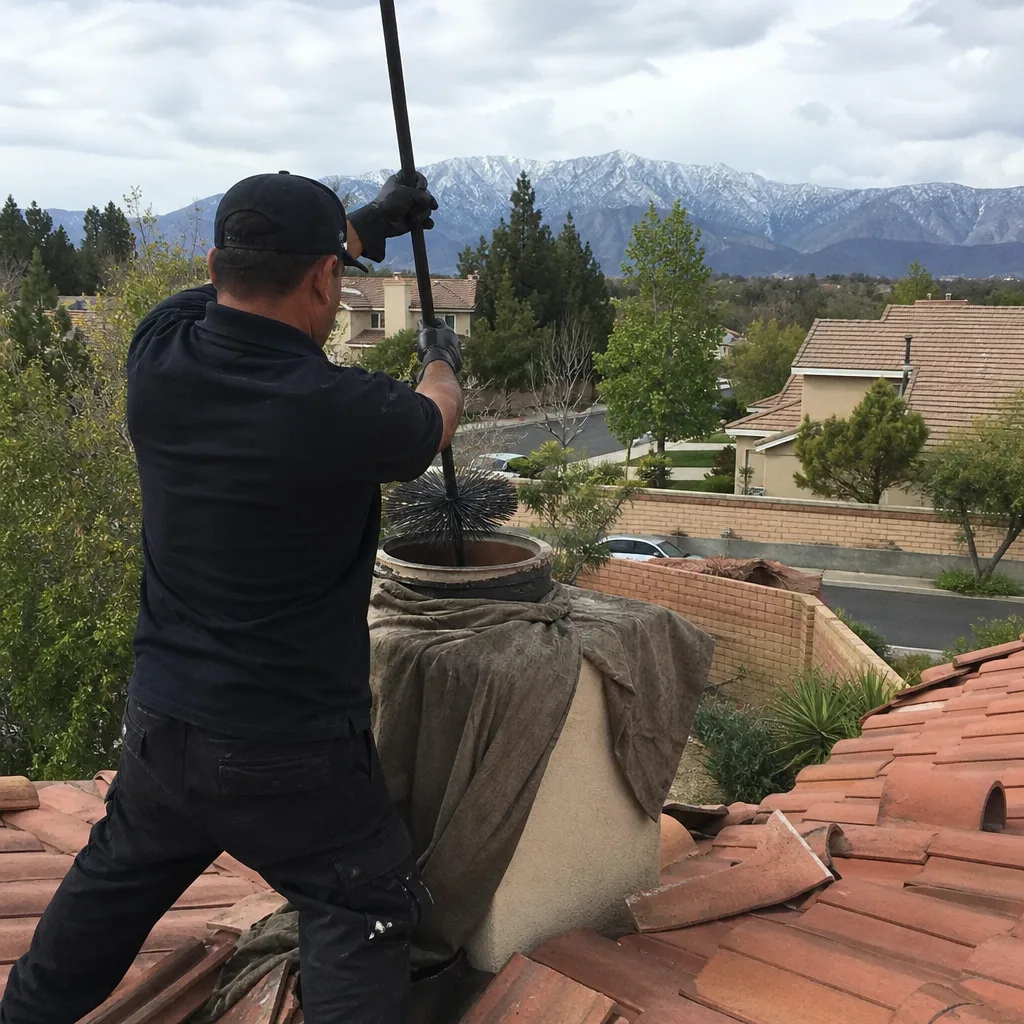
Here’s exactly what happens when we arrive at a Rancho Cucamonga home for creosote removal. Nothing is compressed or skipped to speed up the job – the steps below are the work, in order.
- Written scope and price before setup. Our tech walks you through the written quote – price, materials if applicable, and the 365-Day Done Right Promise – before equipment comes off the truck. Haven Standard Clause 1 requires it. You decide whether to proceed before anything begins.
- Pre-work camera scan of the flue liner. We run a camera down from the top and document the condition in photos before any brushing or chemical application touches the flue. This tells us the exact creosote class, confirms liner integrity, and gives you a baseline record. NFPA 211 Level 2 inspection standard applies to every visit – not just the jobs that turn out to be simple.
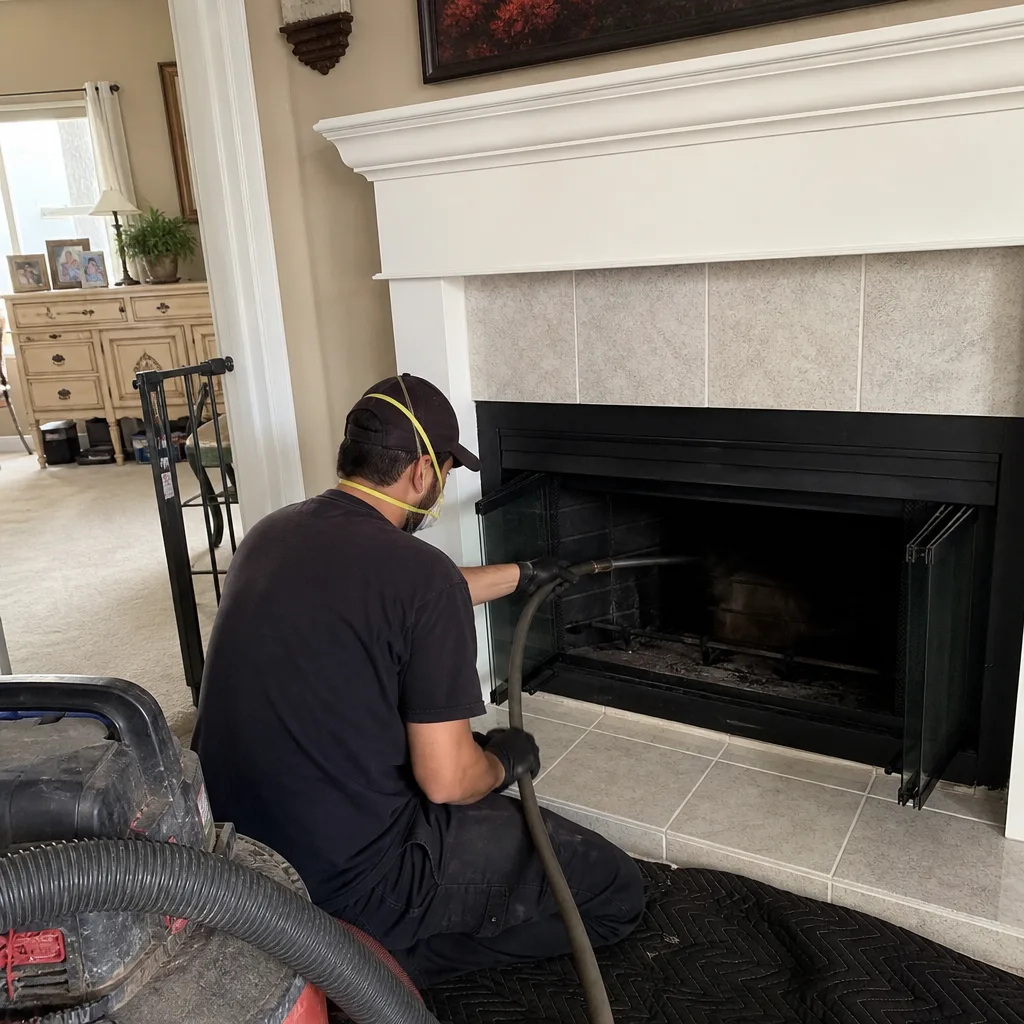
- Protective setup at the firebox. Drop cloths and a sealed dust system go in place around the firebox opening. Creosote dust is a carcinogen and a mess; we contain it before it becomes your living room’s problem.
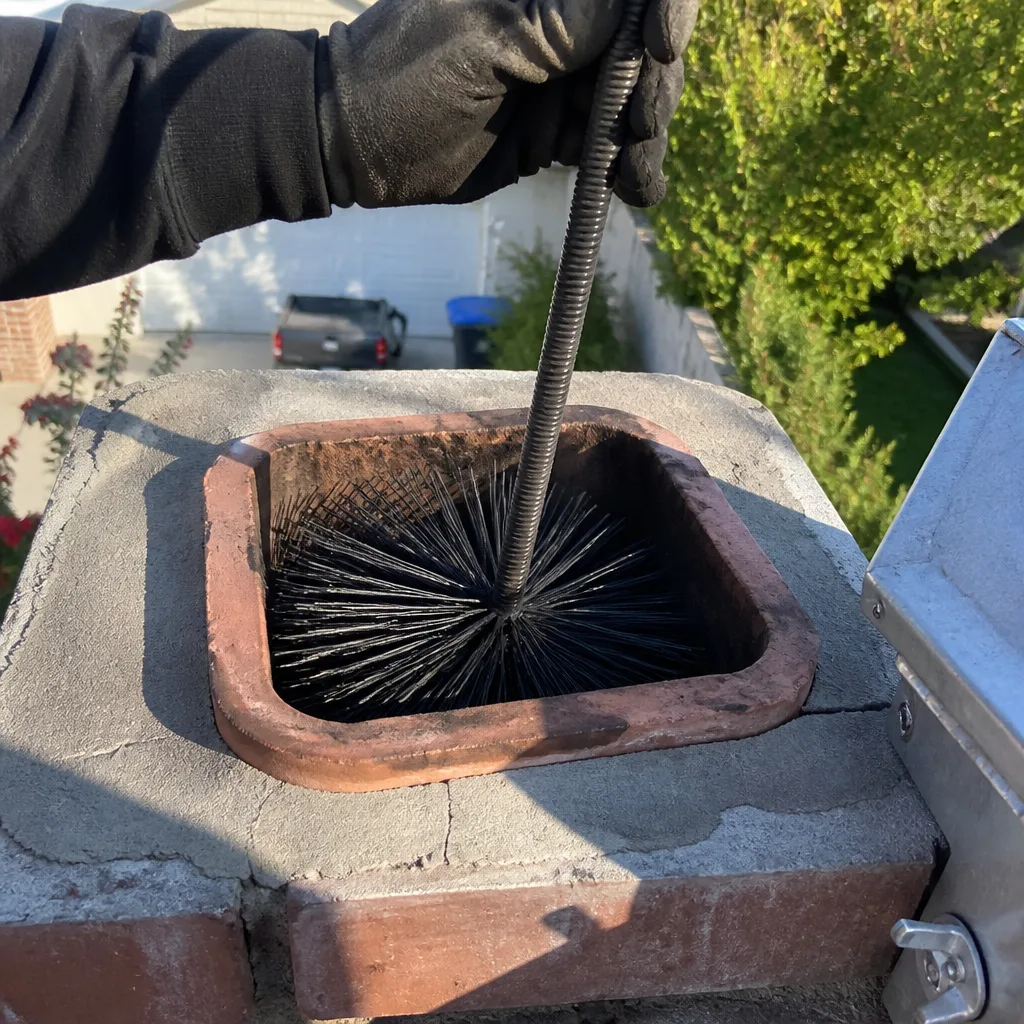
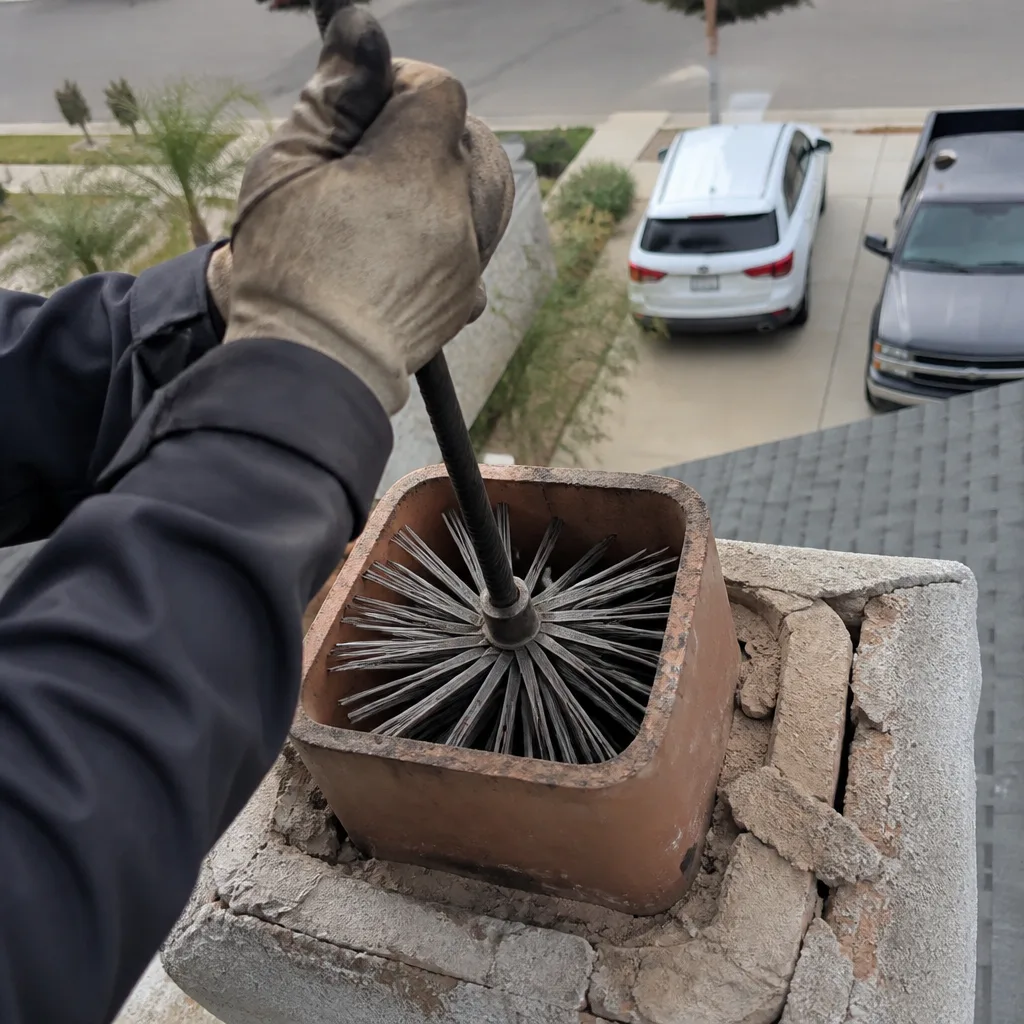
- Mechanical removal for Class I and Class II deposits. Rotary power brushes sized to your flue liner diameter break up and remove standard flaky and lightly glazed deposits. For early Class II, this is usually a single pass with a follow-up inspection. The debris drops into the firebox and is vacuumed out with HEPA equipment.
- Chemical treatment for glazed Class III creosote. Hard, tar-like Class III deposits don’t respond to brushing alone. We apply a chemical conversion agent – typically a product from the Olympia Chimney supply line or equivalent – that changes the molecular structure of the glaze, converting it to a brittle, brushable ash. The conversion requires a follow-up visit, and your quote covers both appointments. We don’t charge a surprise second-visit fee because you already have the full price in writing.
- Post-work camera documentation and written record. Once the flue is clear, we run the camera again and photograph the result. You get a documented before-and-after photo record under Haven Standard Clause 4 – the same archive practice we’ve used since 2009 across more than 38,000 chimney visits. If anything in the liner needs attention beyond creosote removal, we note it in writing with a separate quote. No verbal recommendations, no pressure.
BeforeAfterCreosote Removal Pricing in Rancho Cucamonga
Creosote removal in Rancho Cucamonga runs $180 to $650 for the majority of jobs. Where your job falls in that range depends on the creosote classification, flue length, liner type, and whether chemical treatment is required. The table below lays out the typical cost by scenario:
| Scenario | Typical Price Range | Notes |
|---|---|---|
| Standard cleaning with Class I creosote | $180 – $280 | Single visit, brush removal, camera inspection included |
| Class II creosote (moderate buildup or light glaze) | $250 – $400 | Rotary brush plus possible spot chemical treatment; camera before and after |
| Class III glazed creosote – chemical conversion | $420 – $650 | Two visits; chemical agent, follow-up brush removal, full photo documentation |
| Free Second Opinion on a competitor’s written estimate | $0 | Camera scan included; written quote provided if you want to proceed |
A few factors specific to Rancho Cucamonga homes that affect where your job lands on that scale:
- Flue height. Homes in the Victoria Grove and Sycamore Hills neighborhoods often have two-story chimneys that add flue length – longer flues mean more surface area and usually more accumulation near the top where gases cool fastest.
- Liner type. Older masonry flues without a stainless insert can develop creosote in the joints between tile sections. That’s harder to clear than a smooth-wall liner and may warrant a separate liner assessment.
- Time since last cleaning. If the chimney hasn’t been swept in more than three years, there’s a reasonable chance what looked like Class II on the outside is actually Class III deeper in the flue. The pre-work camera scan tells us before we quote a final price – not after.
- Gas fireplace conversions. Some Rancho Cucamonga homes converted from wood to gas but kept the original masonry chimney. If the gas insert vents into the old flue without a liner, creosote from previous years may still be present. We see this regularly in older tracts near Archibald Avenue and Haven Avenue.
Every quote is written, specific to your flue, and delivered before any work starts. There is no “starting at” bait on this page – the ranges above are real numbers drawn from actual jobs in this market. Call (909) 430-9243 for a free estimate; if you’d rather, bring us any written estimate from another company and we’ll give you a second opinion at no charge.
What Makes Class III Creosote Different – and More Dangerous
Most homeowners have heard that creosote is flammable. What’s less understood is that the three classes behave almost nothing alike, and the difference matters for how we clean and how urgently you should act.
Class I is the dry, flaky gray-to-black deposit that comes off with a standard rotary brush. It’s combustible, but because it’s porous, it doesn’t sustain a chimney fire the way denser material does. Sweep it once a season and it stays manageable.
Class II deposits are darker, harder, and often have a tar-sheen to them. They form when smoke cools quickly – which happens more often in Rancho Cucamonga when a fire is lit briefly on a 45-degree night and then allowed to die down. The smoke condenses before it exits, leaving behind a stickier compound that brushes only partially and tends to re-accumulate faster than Class I.
Class III – glazed creosote – is a different material category entirely. It’s a hard, shiny, tar-like coating that bonds to the flue liner wall the way enamel bonds to ceramic. It does not brush off. It burns at temperatures that can crack a clay tile liner in a single event. A chimney fire fueled by Class III creosote can reach 2,000°F inside the flue – enough to crack mortar joints, ignite adjacent framing, and produce a fire that’s already structural before a smoke alarm sounds inside the home.
This is not written to create alarm. It’s written because a real expert names the risk plainly. If our camera finds Class III in your flue, we’ll show you the footage, explain what the chemical conversion process involves, and give you a written price for the two-visit treatment. Then you decide. No pressure, no vague warnings intended to rush a decision.
One safety note worth stating directly: do not attempt to remove glazed creosote yourself. The chemical conversion agents used for Class III are industrial-grade products, and improper application can create a fire hazard worse than the original deposit. The physical access required – running equipment down a live flue from the roofline – is not a DIY task. This is one of the few situations where the risk of getting it wrong is genuinely serious.
Rancho Cucamonga Chimney Conditions We Document Regularly
After more than 38,000 chimney visits since 2009, certain patterns show up consistently in specific parts of the Inland Empire. In Rancho Cucamonga, three are worth naming:
The Alta Loma wood-burning cluster. The older ranch-style homes in Alta Loma were built in an era when wood fireplaces were primary heat sources, not occasional ambiance. Many of these flues are original clay tile from the 1960s and 70s with no liner update. Creosote has accumulated in layers over decades, and some tile sections have hairline cracks that only show on camera. We document the liner condition separately from the creosote classification – often during a Level 2 Inspection – because a clean flue with a cracked liner is still a flue with a problem.
New construction in Etiwanda with gas-log sets. Newer homes in Etiwanda that were built with decorative wood-burning fireplaces and then fitted with gas log sets at purchase often have flues that were never swept before the gas insert went in. The original construction left sawdust, debris, and whatever the builders’ crews burned for warmth during framing – sometimes including composite wood scraps that deposit heavy creosote in a single burn. A camera scan before first use is the only way to know what’s actually in there.
Seasonal-use fireplaces across most of Rancho Cucamonga proper. With an average of fewer than 20 nights a year where it’s genuinely cold enough to want a fire, most Rancho Cucamonga homeowners use their fireplace sparingly. Low-and-slow fires on cool nights produce the conditions creosote needs: incomplete combustion, low flue temperatures, and gases that cool before they clear the cap. We see Class II buildup in fireplaces that were used maybe a dozen times over two winters. “We barely use it” is not a reason to skip the inspection.
FAQs – Creosote Removal
How much does creosote removal cost in Rancho Cucamonga?
Creosote removal in Rancho Cucamonga costs between $180 and $650 for most residential jobs. Class I and standard Class II buildup falls in the $180-$400 range and is typically handled in one visit. Class III glazed creosote requires a chemical conversion treatment across two visits and runs $420-$650. Your written quote will specify the exact price before any work starts – not after the technician is already in your home. Call (909) 430-9243 for a free estimate.
How often should creosote be removed from a chimney in Rancho Cucamonga?
NFPA 211 recommends a Level 1 Inspection every year, with cleaning performed whenever accumulation reaches 1/8 inch or more – which is roughly Class II. In Rancho Cucamonga’s climate, homeowners who burn wood casually through winter typically hit that threshold every one to two seasons, sometimes faster if fires are kept low and smoldering. If you haven’t had the chimney swept in three or more years, assume there’s meaningful buildup and let the camera tell you where you stand before making a plan.
Can creosote be removed without cleaning the whole chimney?
Not practically, no. Creosote removal and chimney cleaning are the same operation – you can’t treat a deposit in isolation without sweeping the rest of the flue. What we can do is send the camera down first and document exactly where the heaviest buildup is, which sometimes changes the scope of the job. If only the lower third of a tall flue has significant accumulation, that affects how we work and what the job costs. The camera shows us the real picture before we quote the full scope.
Is it safe to use my fireplace if I have creosote buildup?
It depends on the classification. Light Class I deposits carry some risk but are not an immediate emergency if you’re burning small, hot fires and stopping soon. Class II and Class III buildup should stop fireplace use until the material is removed – a chimney fire fueled by glazed creosote can reach temperatures that crack the liner and spread to framing inside 20 minutes. If you’re not sure what class you’re dealing with, don’t light a fire until a camera inspection documents what’s there. Call (909) 430-9243 and we can usually schedule within the week.
Schedule Your Creosote Removal in Rancho Cucamonga
If you’ve read this far, you have enough information to make a decision. Either your chimney needs to be looked at, or you want a second opinion on something a previous sweep flagged. Both are good reasons to call.
Emberly Chimney Cleaners Rancho Cucamonga has documented more than 38,000 chimney visits since 2009 – every one with a camera, a written price, and a photo record when the work is done. Corrine Halstead and the team work under the Haven Standard because written evidence is better than any claim we could make about ourselves. You’ll have the footage, the before-and-after photos, the written warranty, and the 365-Day Done Right Promise before you pay anything.
To schedule a free estimate or get a second opinion on a written quote from another company, call (909) 430-9243. A live person answers 24 hours a day, 7 days a week. No voicemail, no web-form callback. Just a straight answer and a written price before anything starts.
And if you want to see the full picture of what a cleaning visit covers beyond creosote, the home page has an overview of every service we provide in the Rancho Cucamonga area.
Written by Corrine Halstead, Owner at Emberly Chimney Cleaners Rancho Cucamonga, serving Rancho Cucamonga.