
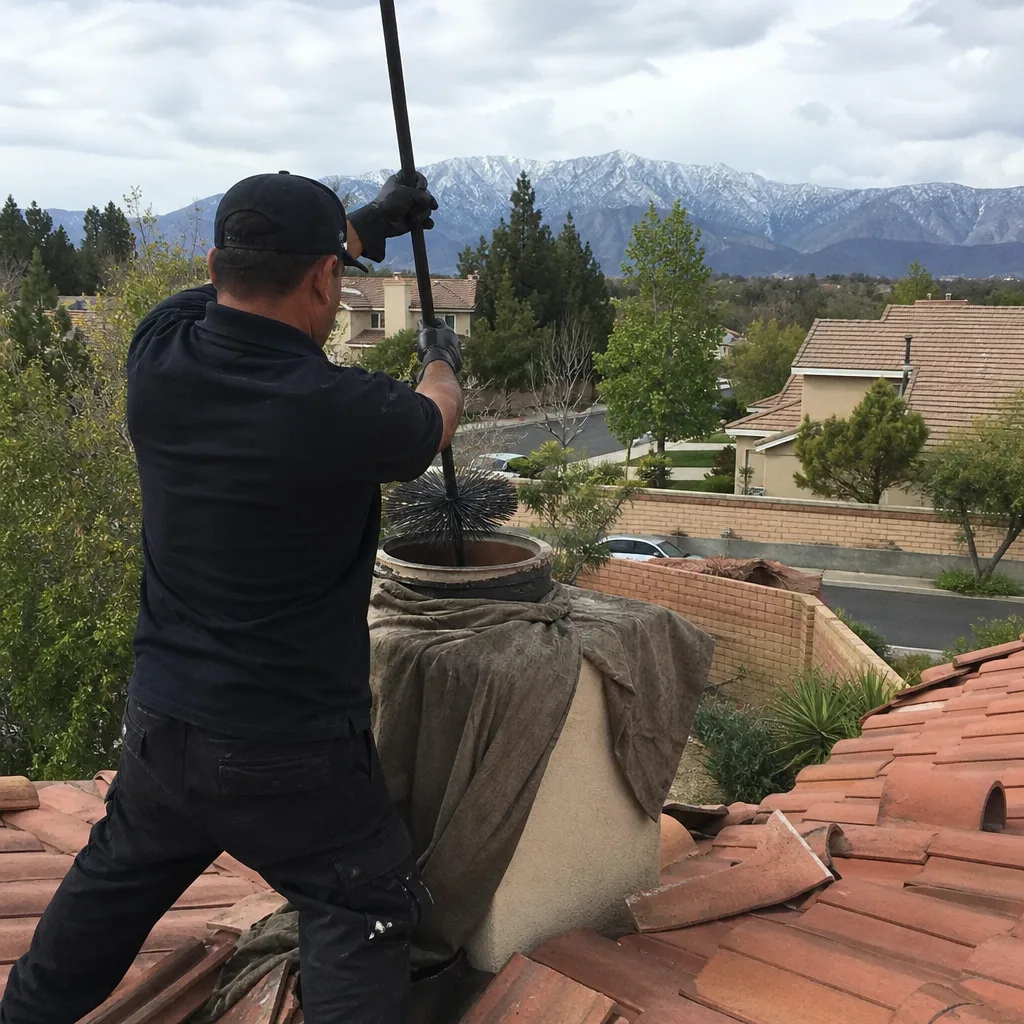
Level 1 sweep and inspection to the NFPA 211 annual standard - flue, crown, cap, and flashing checked and photographed
Chimney sweep logs do not sweep chimneys. They loosen some creosote - which then falls where a brush and vacuum still have to collect it.
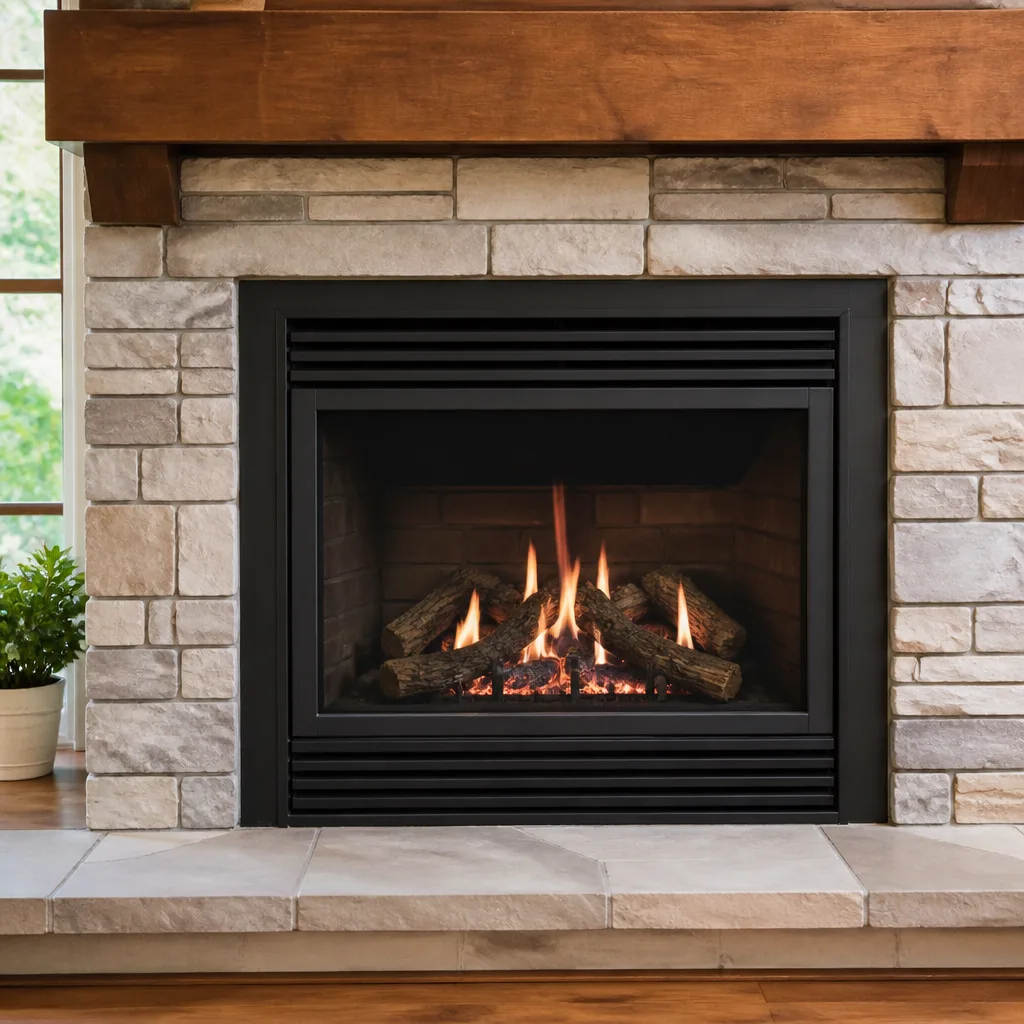
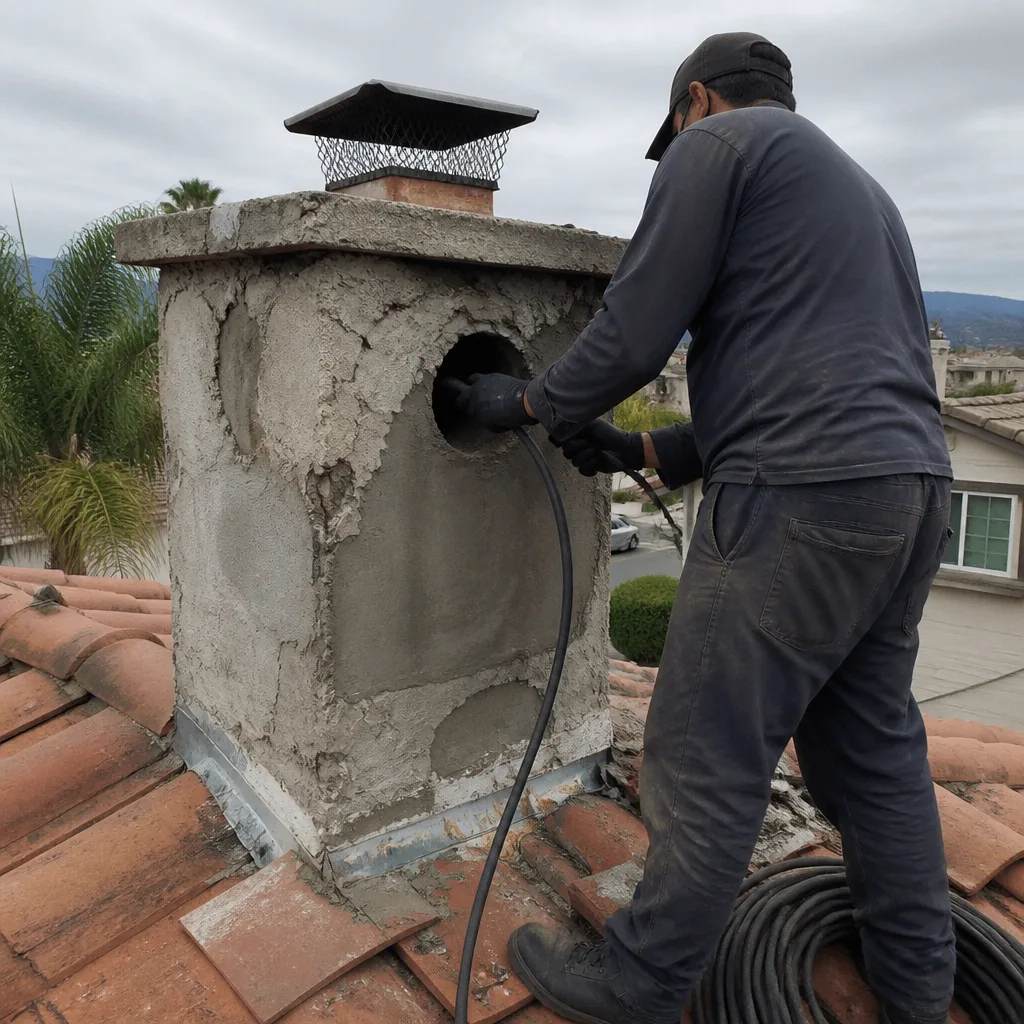 Before
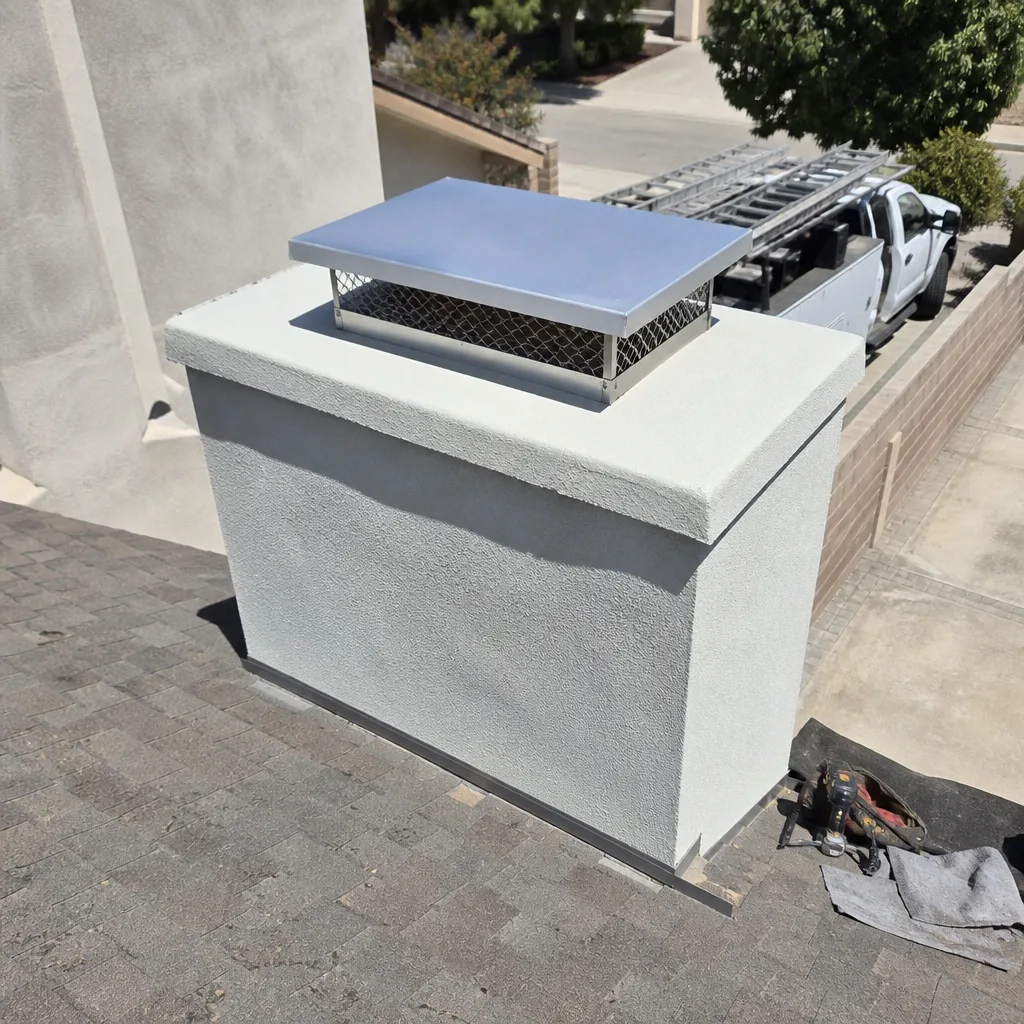 After
After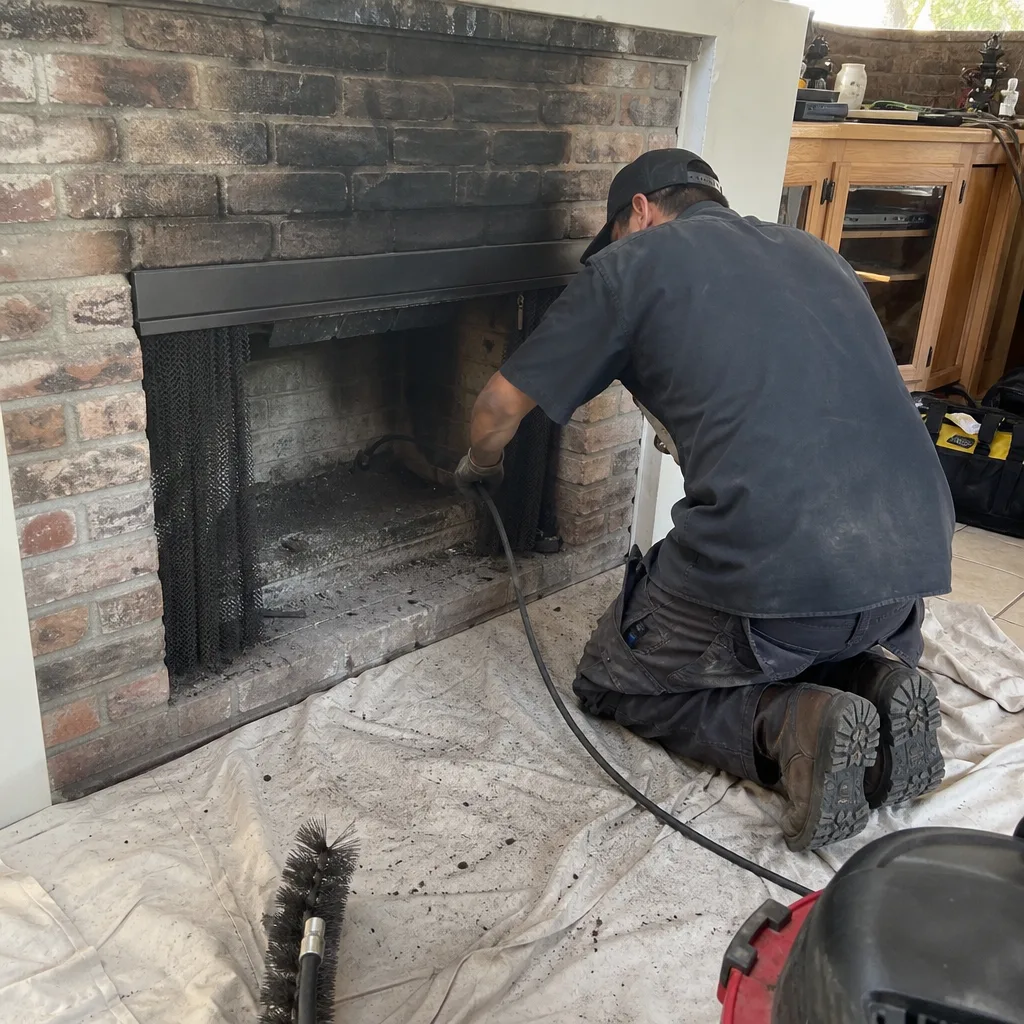 Before
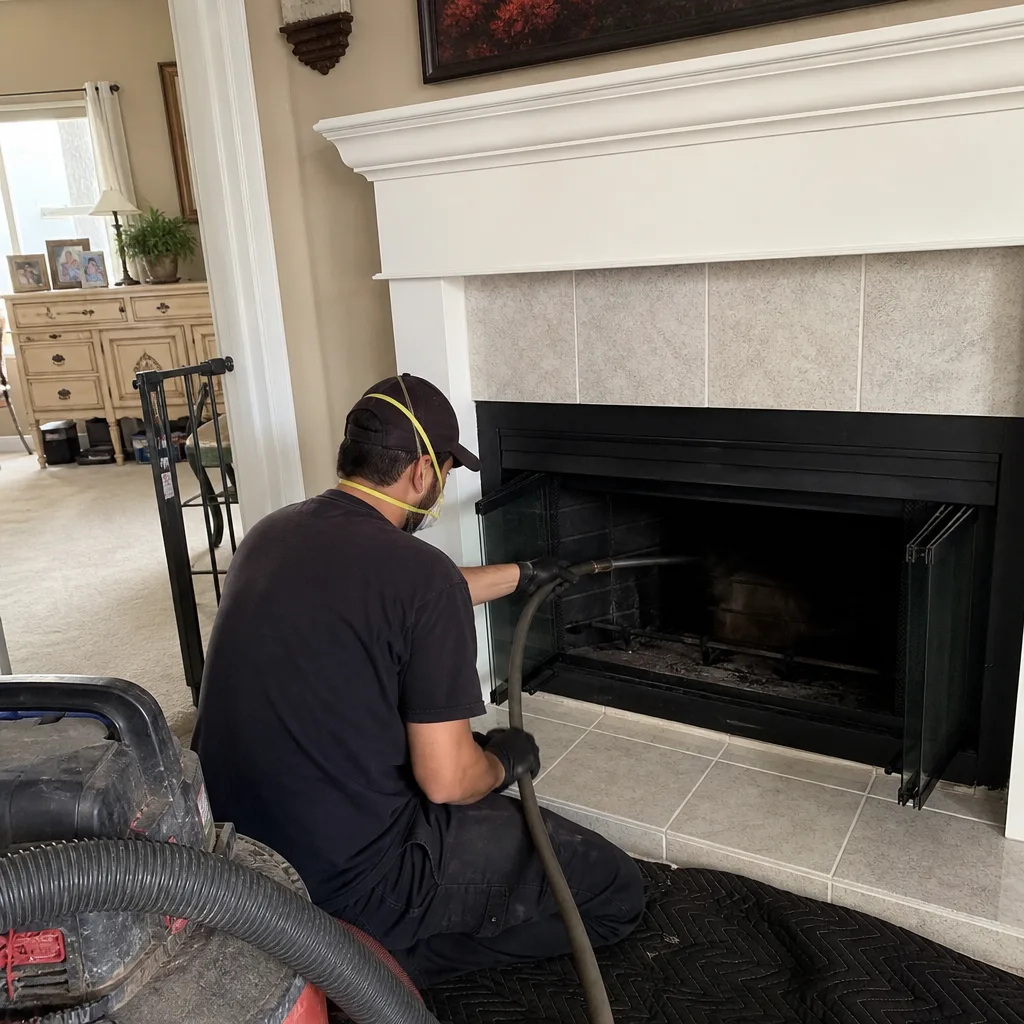 After
After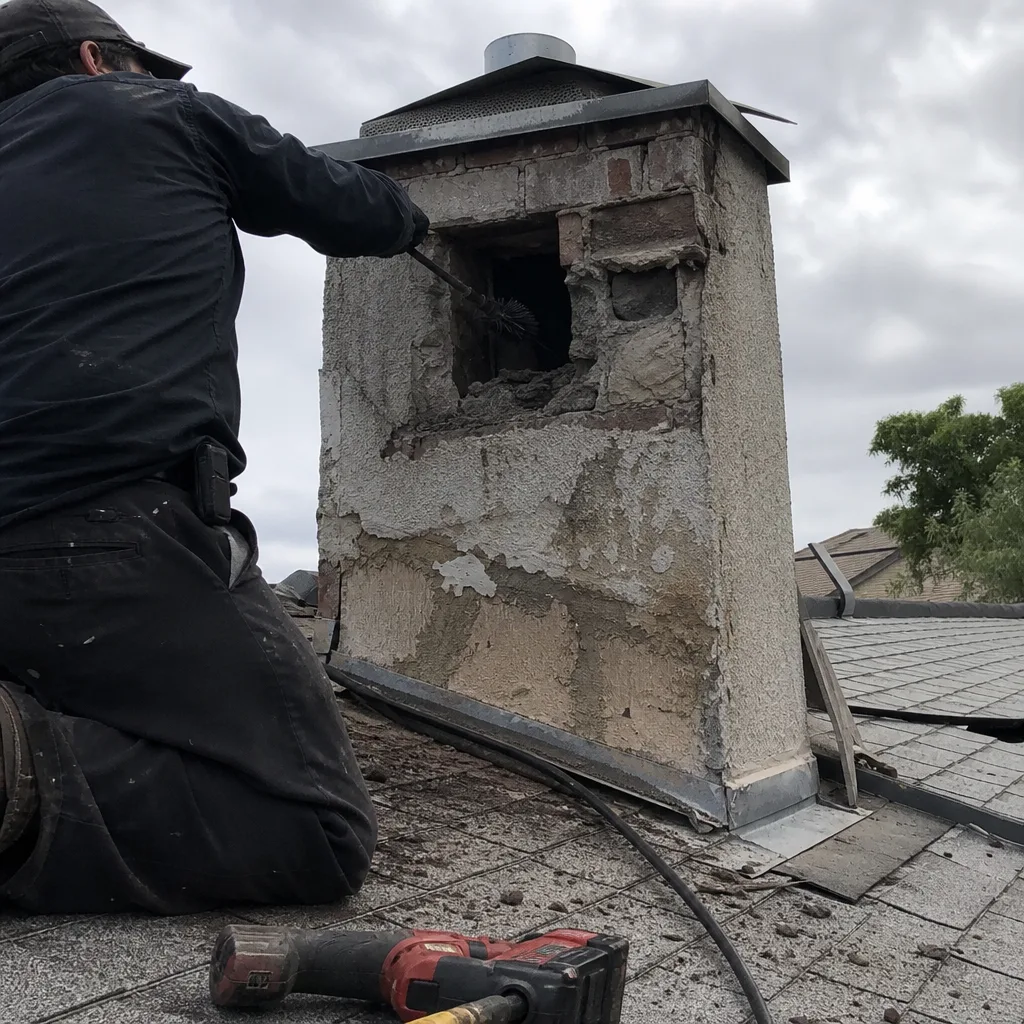 Before
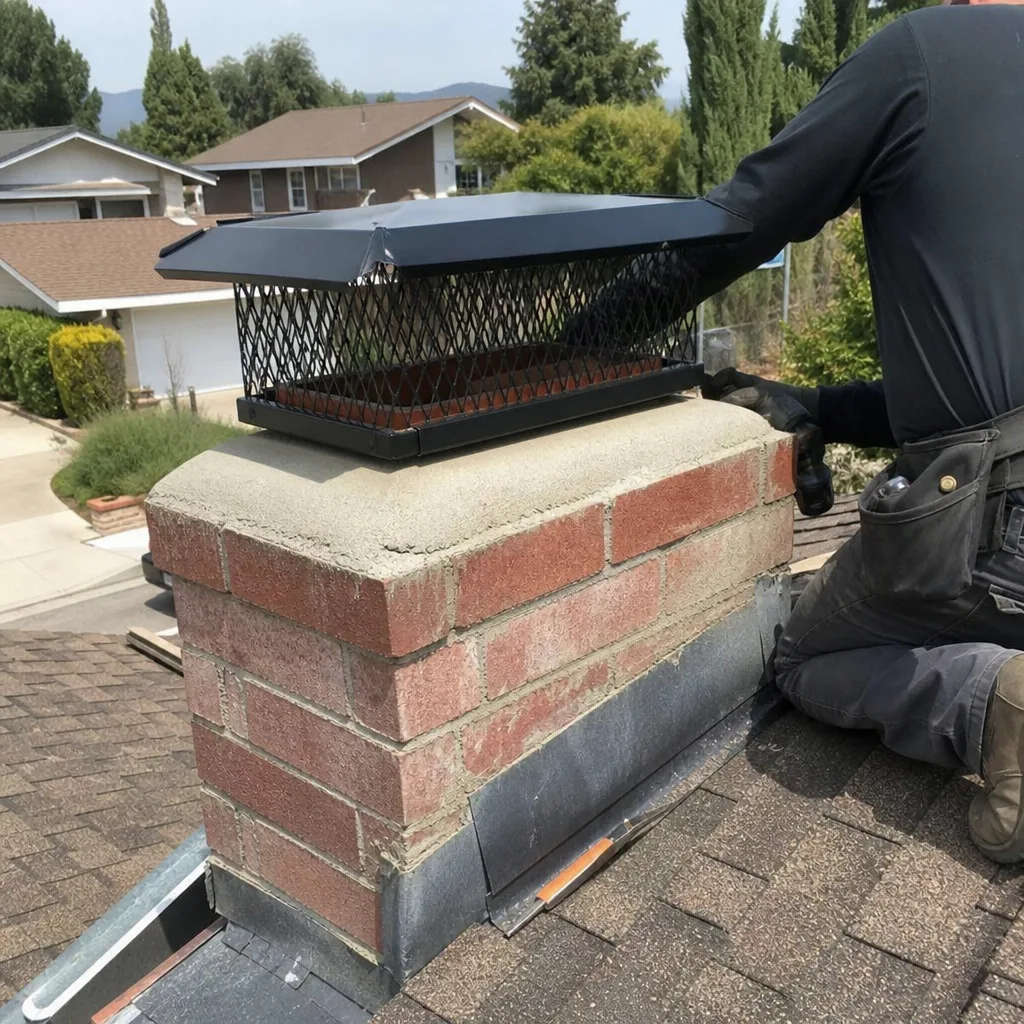 After
AfterHeatShield Damper Repair: The Rancho Cucamonga Owner’s Guide
HeatShield damper repair in Rancho Cucamonga typically runs $340-$580 installed, and we stock the common HeatShield throat and top-sealing damper assemblies on our trucks for same-day replacement when the flue inspection clears. Corrine Halstead and our crew have swapped these in Terra Vista, North Etiwanda, and the Day Creek Basin neighborhoods where HeatShield relined flues from the 1980s and 90s are now hitting their second damper cycle. Most owners realize something’s wrong when the damper won’t fully close or open, or when they feel a draft even with the fireplace off - the metal frame warps, the cast-aluminum plate cracks at the pivot pin, or the cable/chain seizes from creosote glazing in the smoke chamber throat.
Which HeatShield Models This Applies To
HeatShield manufactures two damper categories that we see in Rancho Cucamonga homes: throat dampers integrated with their Cerfractory foam resurfacing systems (common on pre-1990 masonry rebuilds), and top-sealing dampers sold as standalone retrofits for flues they’ve relined with the HeatShield UL 1777-listed system. The throat models carry a stamped model prefix - HS-T followed by the throat dimension in inches, typically 8×8, 8×13, or 13×13 for the Inland Empire’s standard Rumford and box-fireplace footprints. Top-sealing units are marked HS-TS on the mounting frame, with a date code laser-etched near the cable entry point.
The compatibility gotcha: HeatShield throat dampers built before 2012 used a 3/16-inch pivot pin that matches generic aftermarket plates, but 2012-and-later units switched to a metric 5mm pin with a shoulder washer that sits 1/8 inch deeper. Drop in the wrong plate and the damper seats cockeyed, leaking conditioned air up the flue year-round. We source OEM HeatShield hardware through Haven’s buying network, and when an OEM plate is back-ordered we spec a DuraFlex or Gelco equivalent only after confirming the pin diameter and seat depth with a bore gauge. The camera doesn’t have an opinion - it just shows what’s there, but the calipers tell us what part to order.
Signs Your HeatShield Damper Repair Is Failing
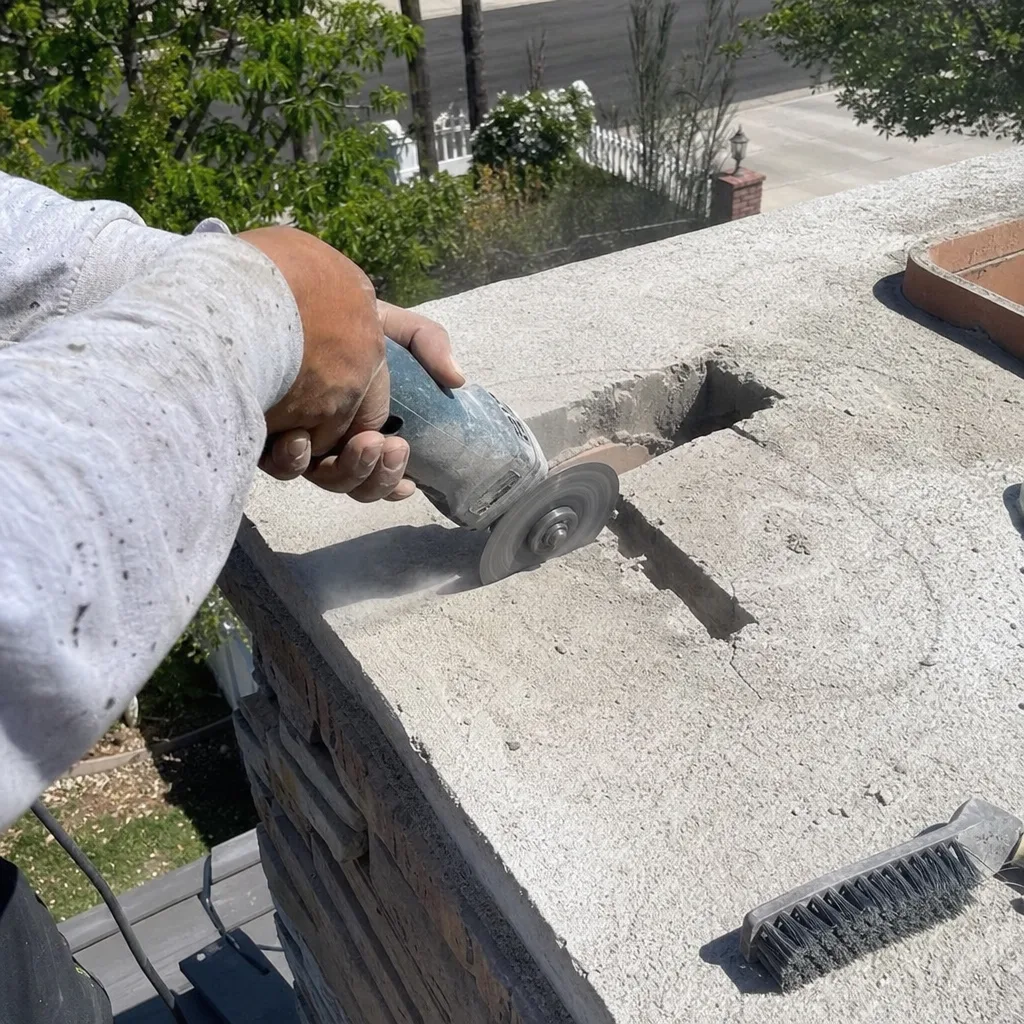
- The damper handle moves but the plate doesn’t seat. The cast-aluminum plate has cracked at the pivot boss or the stainless cross-pin has sheared. We see this most often in Rancho Cucamonga homes where the fireplace sat unused through summer and the first fall firing thermal-shocked a corroded pin.
- Cold air falls down the flue even when the damper is “closed.” The frame has warped from decades of heat cycling, or creosote buildup has hardened behind the plate, propping it open 1/4 inch. That gap is enough to pull 200-400 CFM of conditioned air out of your house continuously.
- The cable or chain hangs slack or won’t retract. On HeatShield top-sealing dampers, the stainless cable runs through a guide tube that collects moisture and freezes in winter. In Rancho Cucamonga’s dry climate it’s less about ice, more about oxidation scaling inside the tube after 10-15 years of Santa Ana wind dust infiltration.
- You smell smoke in the room during a fire. The damper plate is stuck partially closed, restricting draft and pushing combustion gases into the living space. This is the symptom that gets people to call - and it’s the one where we run the camera first, because a stuck damper can mask a blocked flue or failed liner joint upstream.
- The handle is seized completely. Usually galvanic corrosion between the steel handle bracket and the aluminum frame, accelerated by the alkaline mortar environment in a HeatShield-resurfaced smoke chamber. Penetrating oil sometimes frees it temporarily; the corrosion always wins.
BeforeAfterReplacement Cost & What’s Included
| Service | Price Range |
|---|---|
| HeatShield throat damper assembly (OEM or verified equivalent), installed | $340-$480 |
| HeatShield top-sealing damper with cable replacement, installed | $420-$580 |
| Smoke chamber access modification (if needed for throat replacement) | $85-$140 |
| NFPA 211 Level 2 camera inspection with documented photo record | Included |
The range depends on three things we can only confirm with the camera down the flue: whether the existing frame is reusable (saves $80-$120 in parts), whether the smoke chamber needs minor refractory patching to seat a new throat damper squarely, and whether the cable guide tube on a top-sealing unit has corroded through the crown (common on south-facing chimney exposures in Rancho Cucamonga’s UV-heavy climate, adds $60-$90 for sealant and flashing touch-up). We deliver a written price before any work starts, per Haven Standard Clause 1 - the scope, the part number, the warranty term, and the total. No surprises after we’re on the roof.
Every HeatShield damper repair carries our 365-Day Done Right Promise. The photo record goes in your file under Haven Standard Clause 4, same as the other 38,000-plus jobs we’ve documented since 2009.
DIY or Call Us?
There’s one thing an owner can safely check: with the fireplace cold and a flashlight, look up the flue from the firebox. If you can see daylight around the damper plate edges when the handle is fully closed, you’ve got a leak - but whether it’s the plate, the frame, or debris behind it takes a camera to sort out.
Where DIY goes wrong is the removal. HeatShield throat dampers sit in a refractory frame that’s part of the smoke chamber structure; pry wrong and you crack the Cerfractory lining, turning a $400 damper job into a $1,800 smoke chamber resurfacing. Top-sealing dampers require working on the chimney crown at height, often with a seized fastener that needs controlled torque to avoid snapping the anchor bolt in the flue tile. We don’t recommend either as a weekend project. Our background-checked, uniformed technicians carry the right extraction tools and the specific HeatShield or cross-reference part on the truck. Call (909) 430-9243 and we’ll run the camera, name the price in writing, and schedule the repair when you’re ready.
FAQs
A HeatShield throat damper typically lasts 15-25 years in the Inland Empire’s dry climate, though we’ve replaced units at 12 years in homes near the 210 freeway corridor where particulate loading accelerates pivot corrosion. Top-sealing dampers average 12-18 years before the cable or frame seal fails. Call (909) 430-9243 for an exact condition check - estimates are free.
Sometimes. A seized handle can be freed and lubricated if the pivot pin isn’t corroded through; a cable can be replaced on a top-sealing unit if the frame and seal are still sound. But cracked cast-aluminum plates and warped frames are not field-repairable - the heat cycling that caused the failure has already compromised the metal’s structure. We won’t quote a repair that won’t last.
Most HeatShield damper replacements are completed in 90 minutes to two hours, including the NFPA 211 Level 2 camera inspection and photo documentation. Smoke chamber access modifications add 30-45 minutes. We don’t start the clock until you’ve approved the written price.
We stock the three most common HeatShield throat damper assemblies and both cable lengths for top-sealing units on our service trucks. Less common sizes and pre-2012 pivot configurations typically arrive next business day through our Haven buying network. If your part isn’t on the truck, we’ll tell you before we schedule - no bait-and-switch on availability.
Emberly Chimney Cleaners Rancho Cucamonga is an independent service provider; we are not affiliated with HeatShield. We source OEM and quality cross-reference parts through our Haven Standard procurement network to keep customer prices honest.
Written by Corrine Halstead, Owner, Emberly Chimney Cleaners Rancho Cucamonga at Emberly Chimney Cleaners Rancho Cucamonga, serving Rancho Cucamonga and nearby areas.