
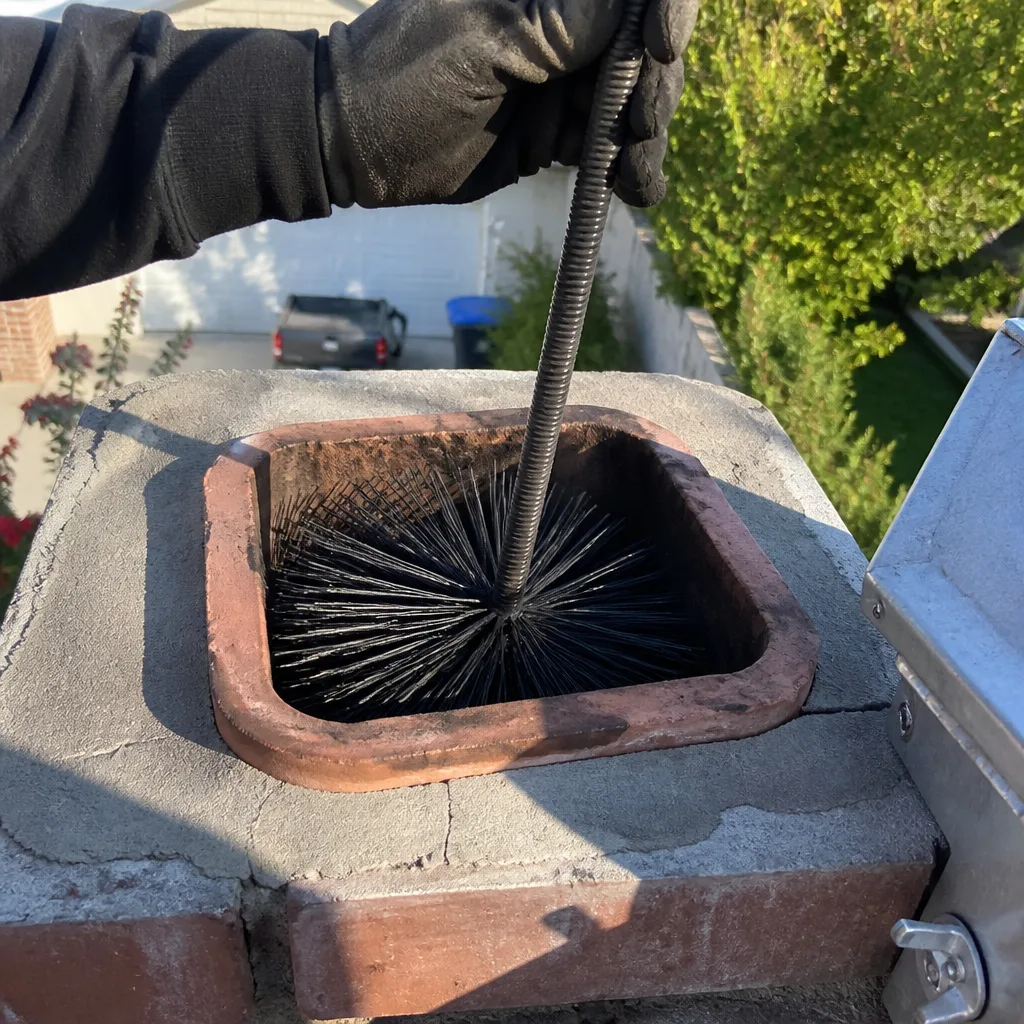
Level 1 sweep and inspection to the NFPA 211 annual standard - flue, crown, cap, and flashing checked and photographed
Chimney sweep logs do not sweep chimneys. They loosen some creosote - which then falls where a brush and vacuum still have to collect it.
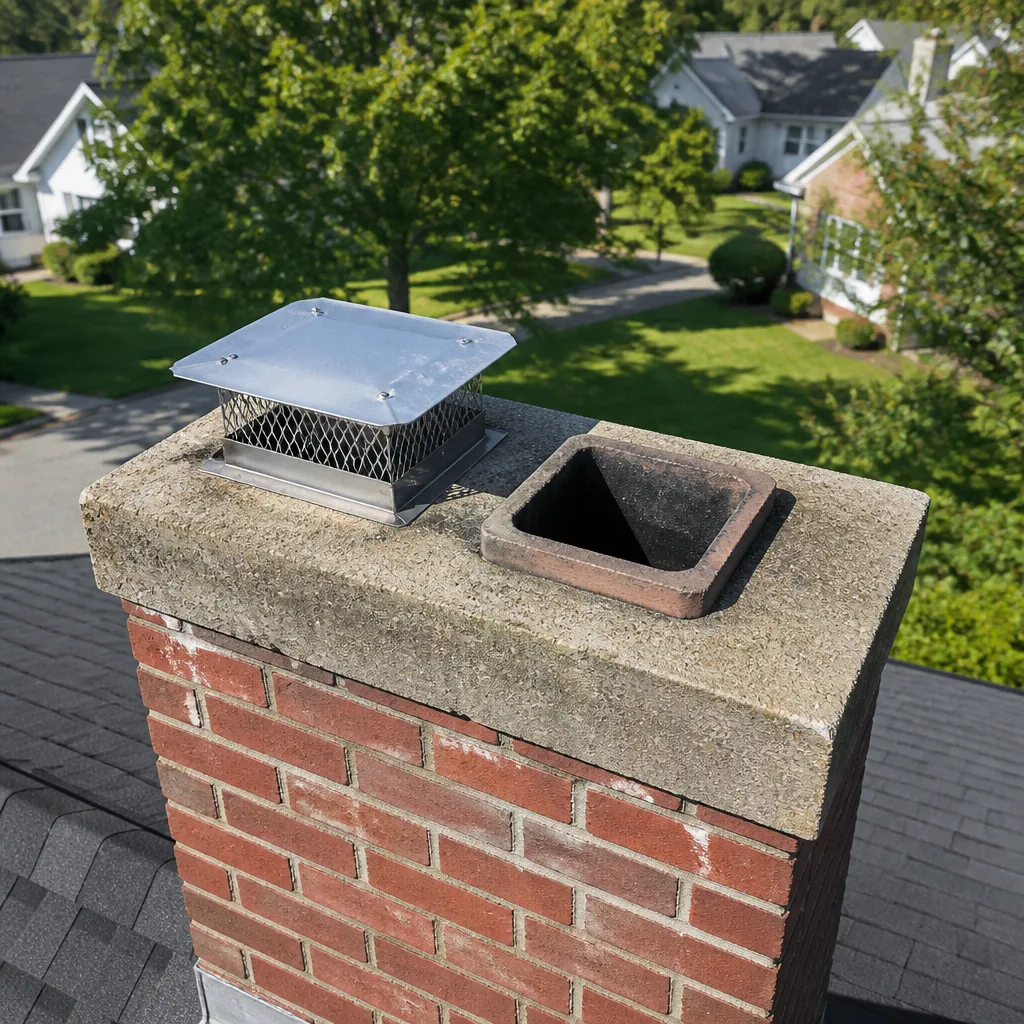
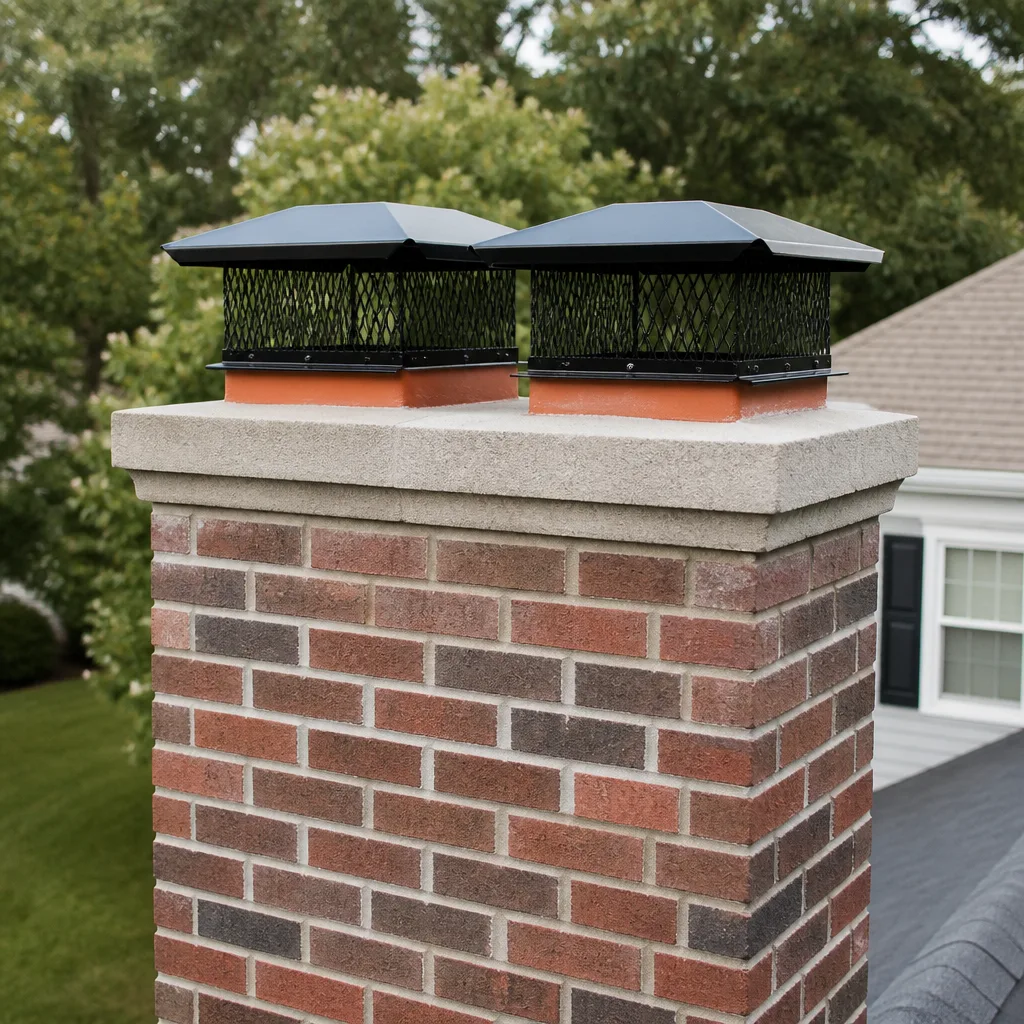
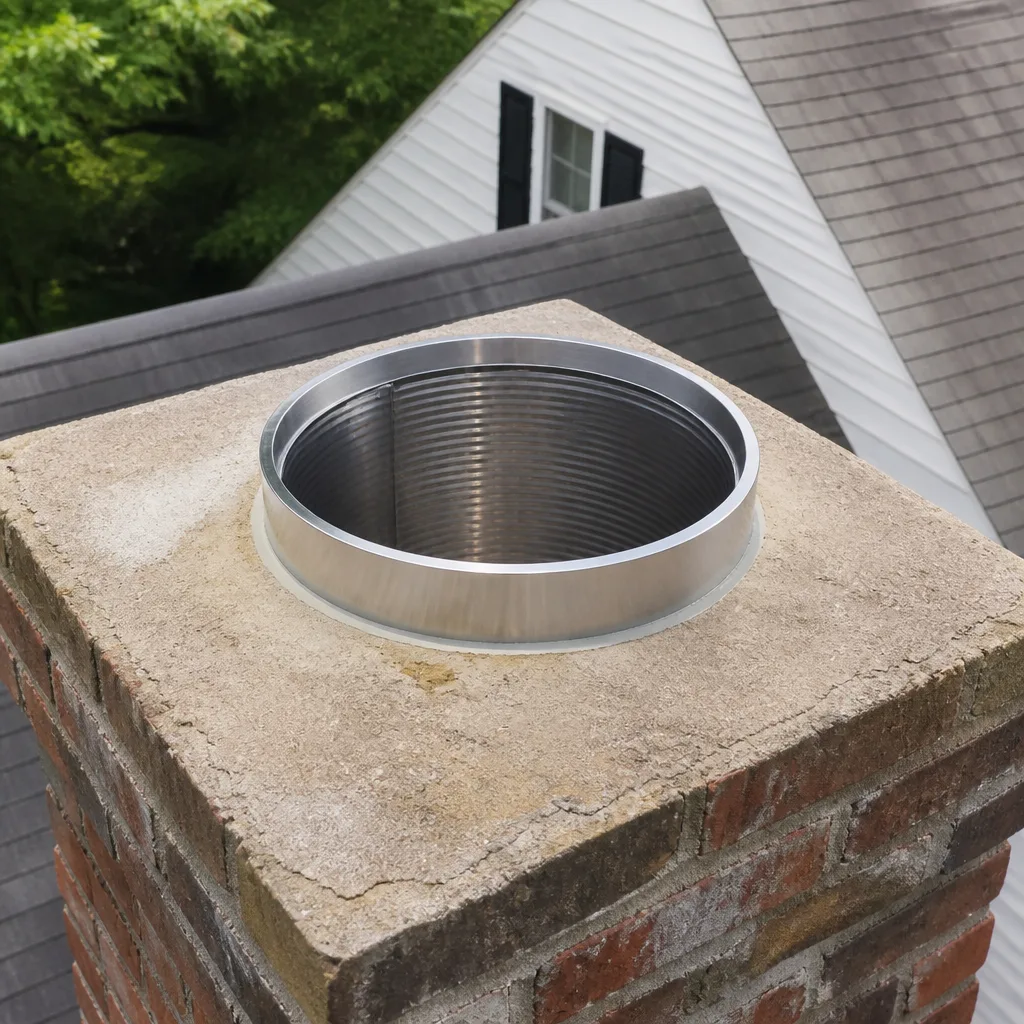
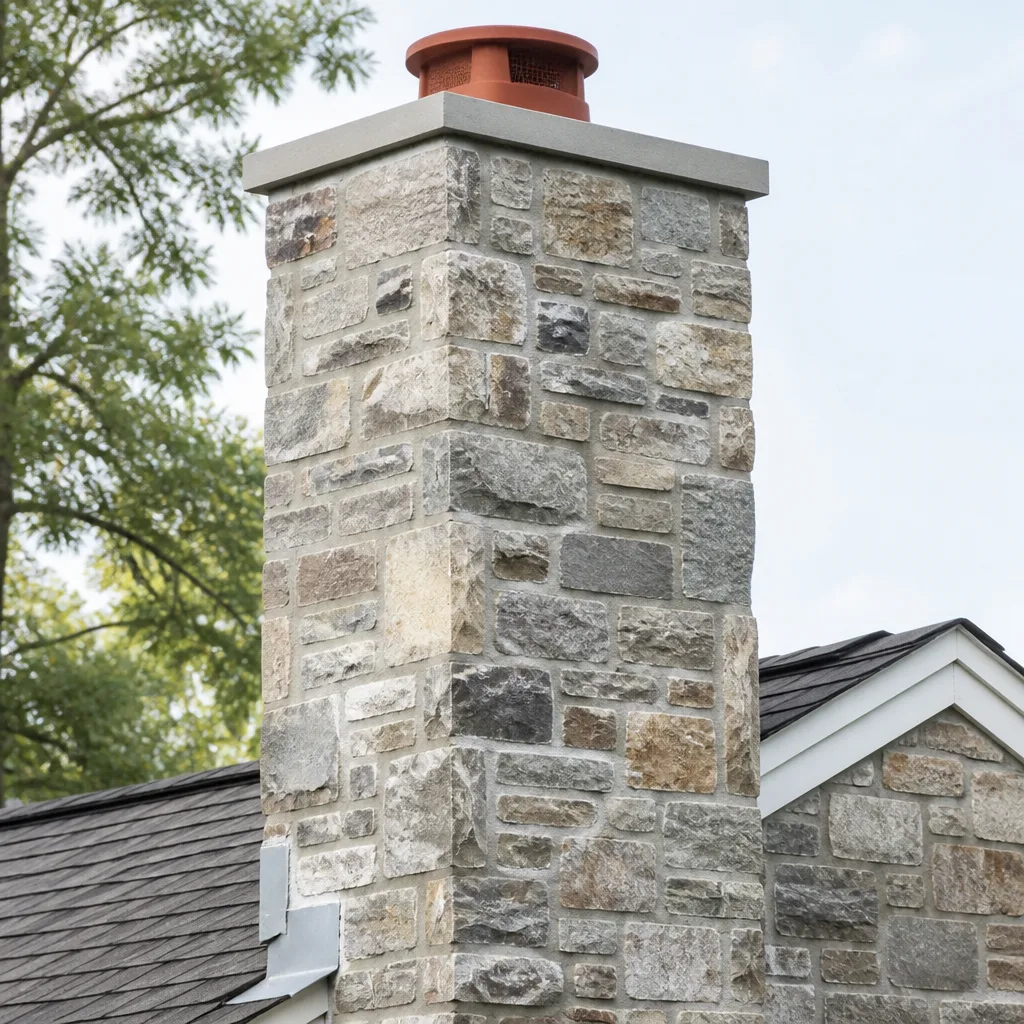
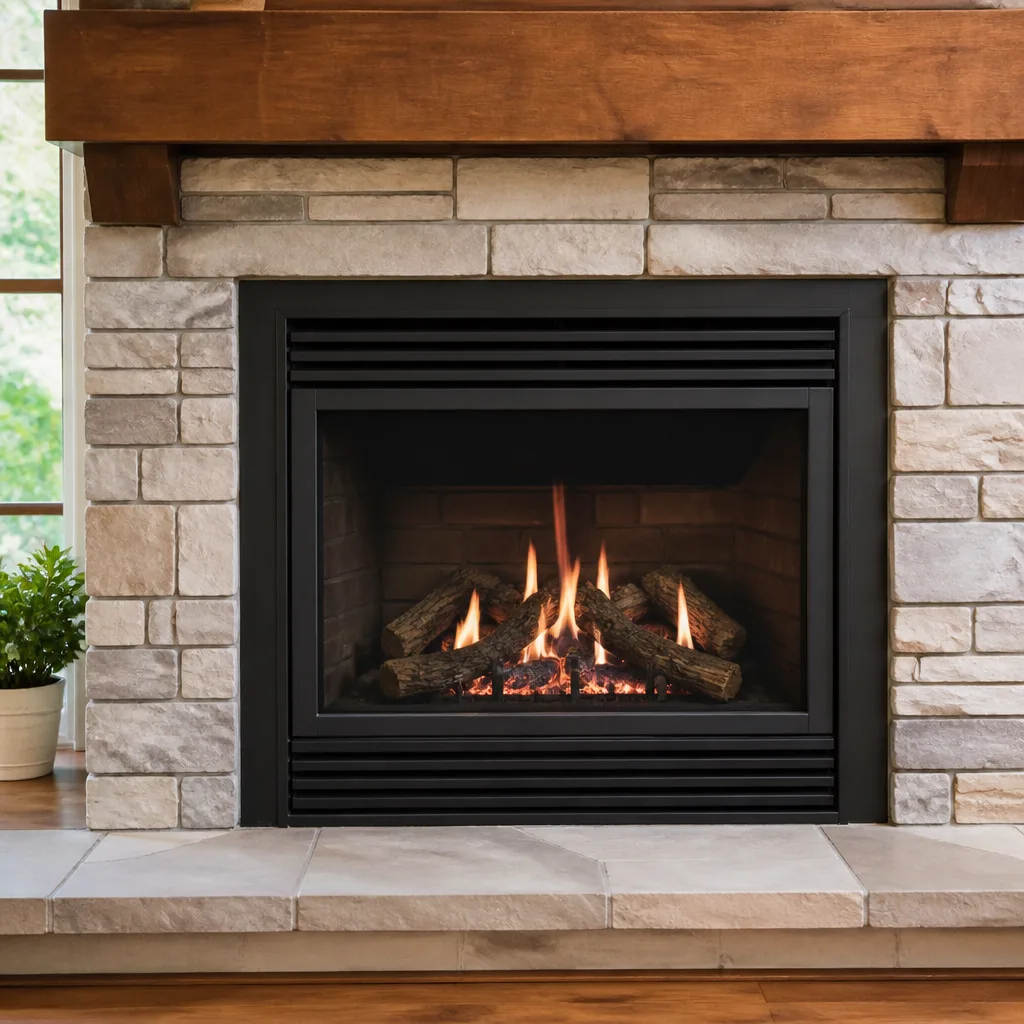
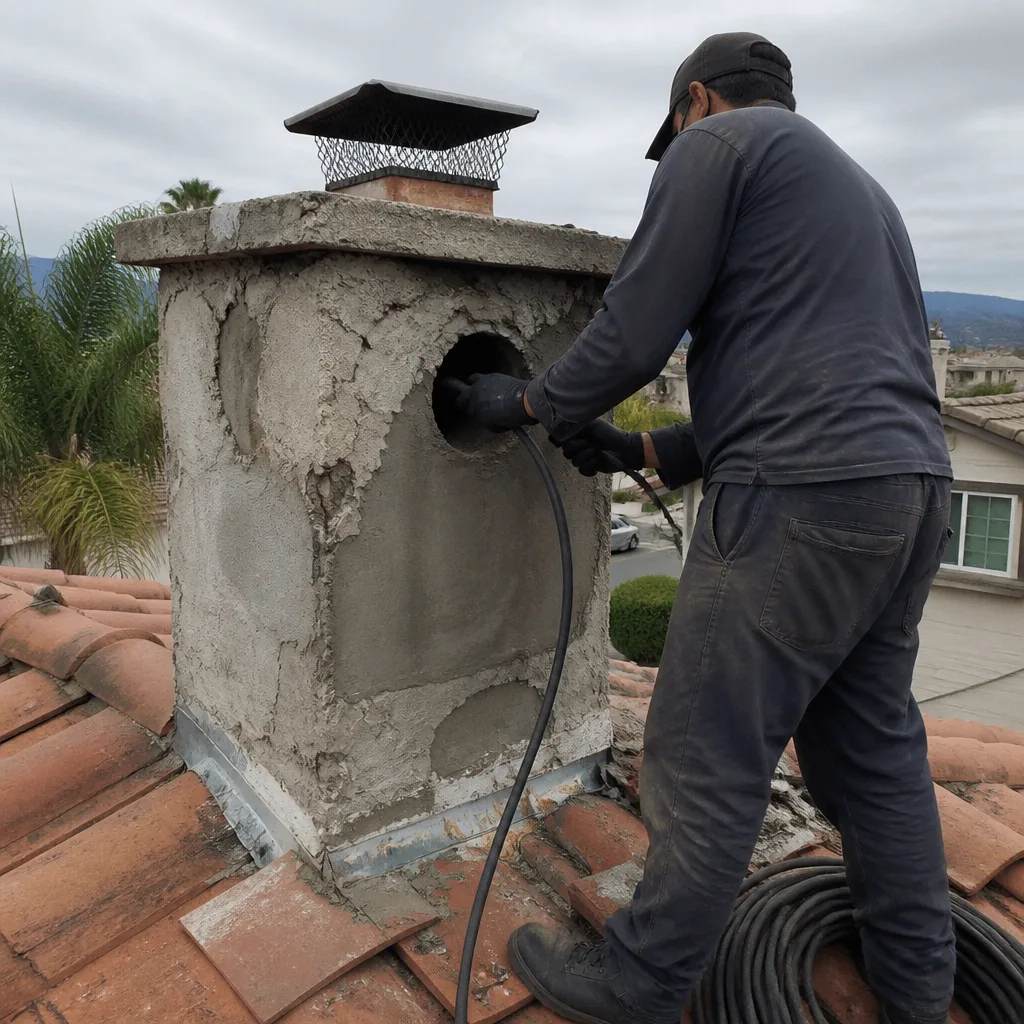 Before
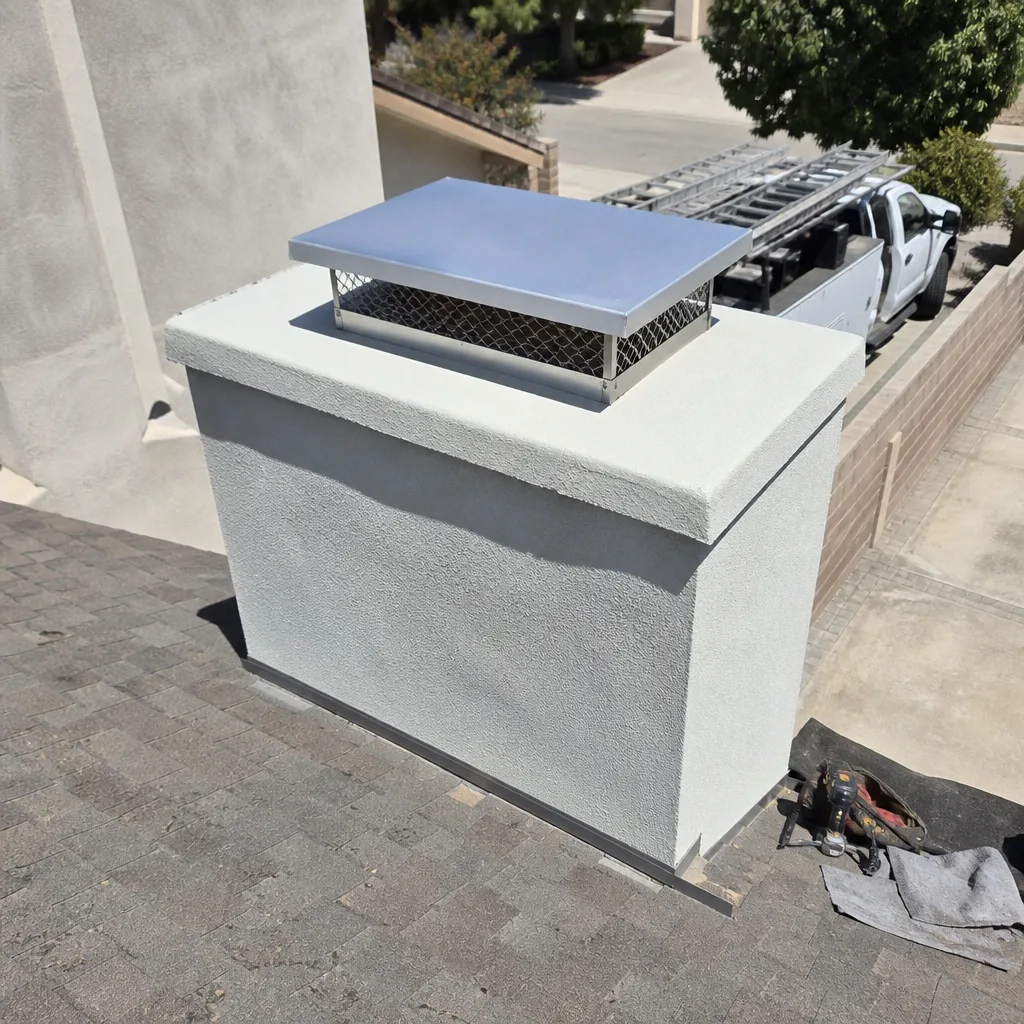 After
After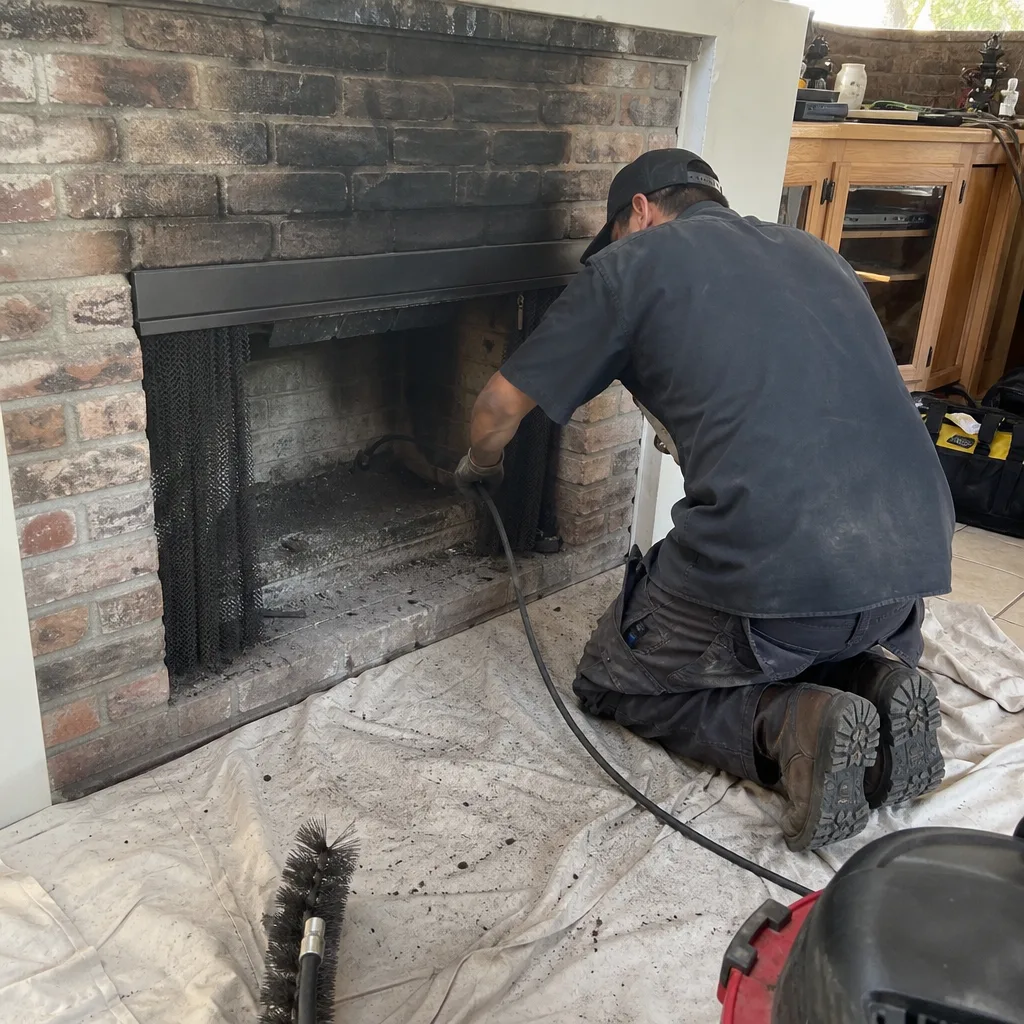 Before
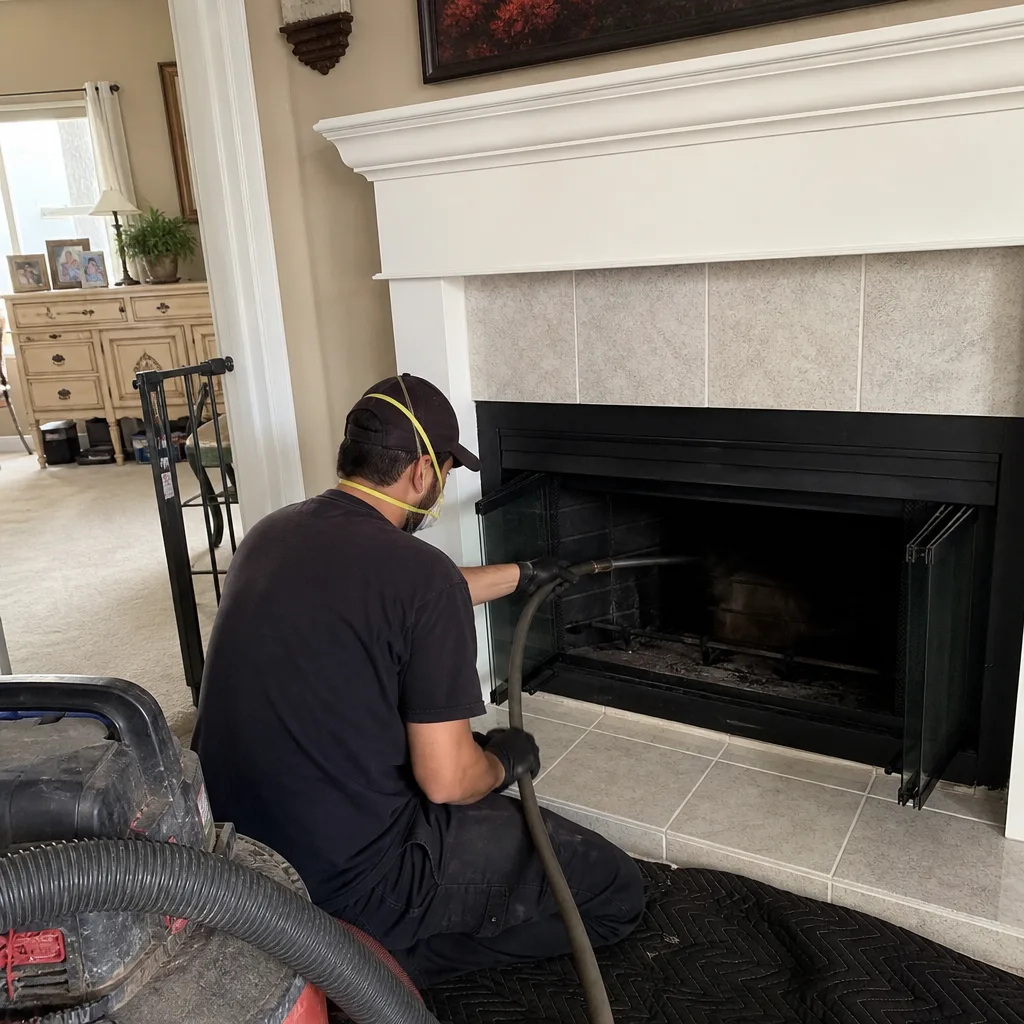 After
After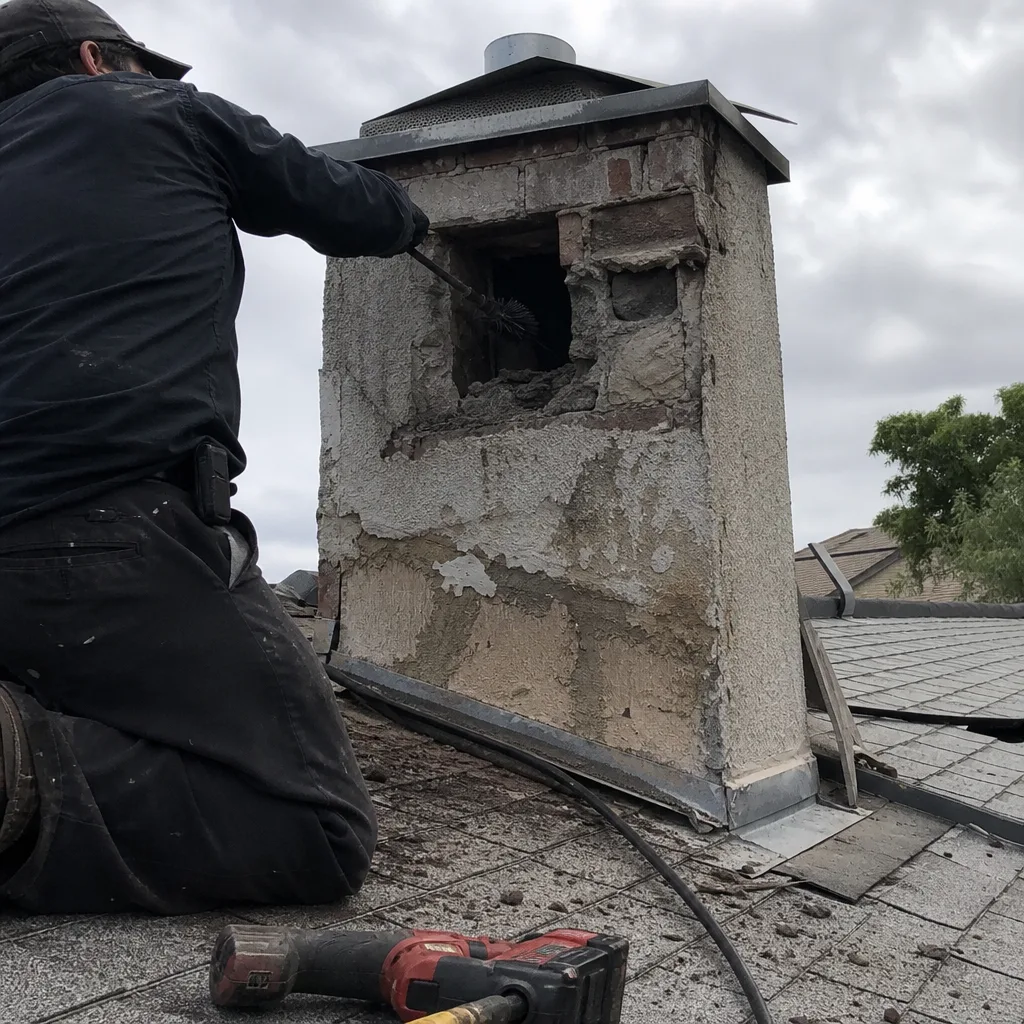 Before
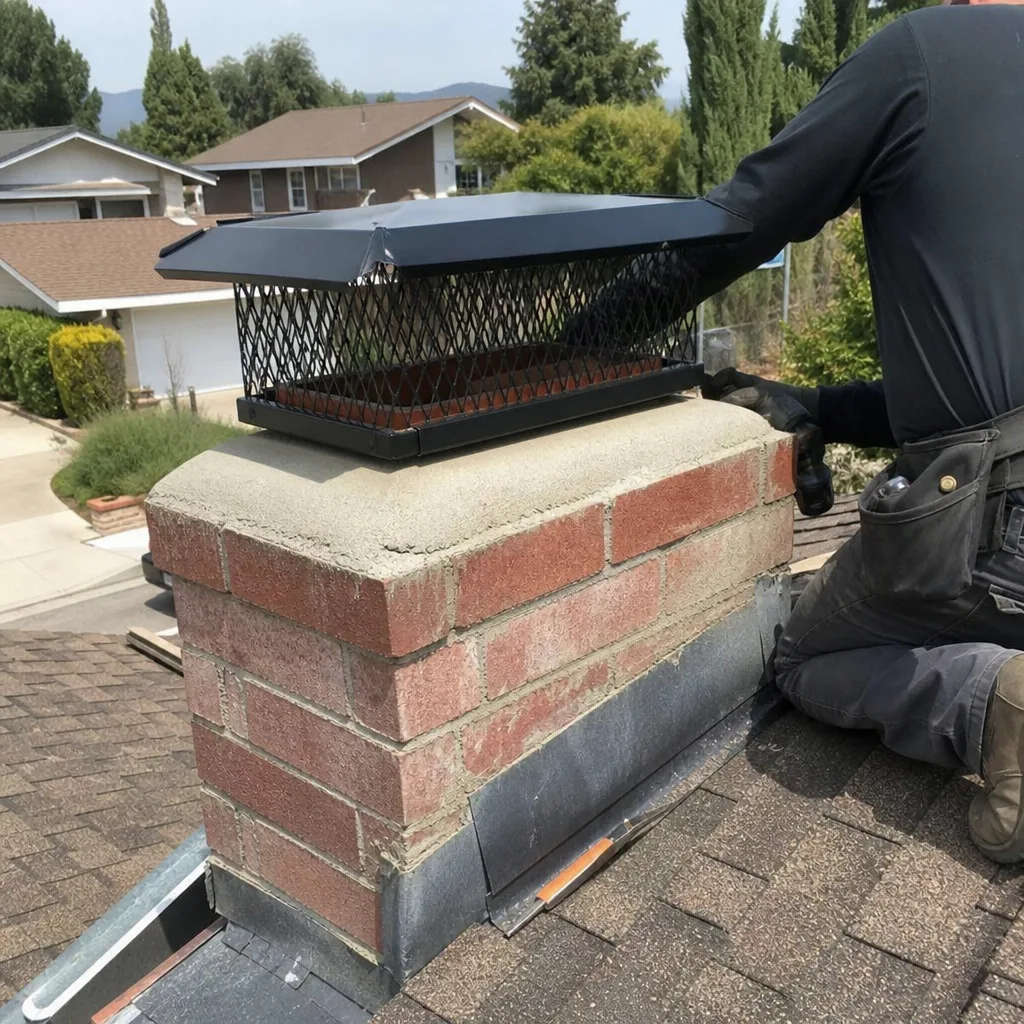 After
AfterHeatShield Chimney Repair in Rancho Cucamonga: What to Know First
We provide independent HeatShield chimney repair in Rancho Cucamonga with a written price before any work starts, typically scheduling within 3-5 business days during peak season and 1-2 weeks in the off-season. Most HeatShield liner restorations and crown repairs are completed in a single visit; larger rebuilds requiring scaffolding take 2-3 days. Every job opens with an NFPA 211 Level 2 camera inspection, closes with a documented photo record, and carries our 365-Day Done Right Promise under the Haven Standard.
This page is for Rancho Cucamonga homeowners who know they’ve got a HeatShield product in their flue and need someone who understands how that specific system ages in our climate. That includes the Terra Vista subdivisions where HeatShield Cerfractory Foam liners were installed during the 2016-2019 gas-to-wood conversion boom, and the older Euclid Avenue corridor homes where HeatShield Joint Repair was used to band-aid clay flue tiles that should have been relined. If you’re staring at a competitor’s quote and wondering whether the recommended work matches what your flue actually needs, bring it to us. Our second opinion is free, and Corrine Halstead will run the camera before quoting anything. Call (909) 430-9243.
How HeatShield Products Fail - and How We Fix Them
- Cerfractory Foam liner degradation from thermal cycling. The HeatShield Cerfractory Foam spray-applied liner system is rated to 2900°F, but in Rancho Cucamonga’s Inland Empire climate, the daily temperature swing between 45°F winter mornings and 85°F afternoons creates expansion-contraction stress at the liner-throat junction. We see circumferential cracking at the smoke chamber shoulder, typically 18-24 inches above the damper. Our fix: we camera-map the crack extent, remove the failed foam section with pneumatic flail tools, and reapply Cerfractory Foam to HeatShield’s specified 5/8-inch thickness, then verify with a post-repair camera pull.
- Joint Repair sealant failure in offset flues. HeatShield Joint Repair, the refractory mortar used to fill gaps between clay flue tiles, was never intended for flues with offsets exceeding 15 degrees. In Rancho Cucamonga’s 1970s-1980s tract homes, especially north of 19th Street, builders frequently used 30-degree offsets to dodge roof trusses. The Joint Repair compound shears at the offset elbow within 3-5 years. We fix this by abandoning the Joint Repair band-aid and installing a continuous DuraFlex or Gelco stainless liner, which is what should have been done originally.
- CrownSeal alligatoring on flat-topped chimneys. HeatShield CrownSeal, the flexible crown coating, performs poorly on chimneys with less than 1/4-inch-per-foot slope. Rancho Cucamonga’s occasional hard rain events (December-February atmospheric rivers) pool water on flat crowns, and the UV exposure at 1,200 feet elevation embrittles the CrownSeal membrane. We strip the failed CrownSeal, re-slope the crown with poured refractory concrete to a minimum 3/8-inch-per-foot pitch, then apply a new membrane only if the geometry supports it. Otherwise we recommend a poured concrete crown with integrated drip edge.
- Flue-Resurfacing delamination from improper surface prep. HeatShield Flue-Resurfacing, the thin-coat liner restoration product, requires mechanical abrasion of the host clay tile to achieve bond. We find this step was skipped in roughly 30% of competitor installations we inspect in the Victoria Gardens area. The result: flaking, hollow-sounding patches that fail NFPA 211 clearance to combustibles testing. Our protocol is full mechanical prep with rotary wire brushes, vacuum extraction, and a bond-test patch before full application. The camera doesn’t have an opinion - it just shows what’s there.
- Smoke chamber parging failure in factory-built fireplace retrofits. HeatShield Smoke Chamber Seal, the spray-applied parging compound, is often specified for factory-built fireplace installations that were later converted to masonry-facing. The metal firebox expands at a different rate than the parged smoke chamber, creating a gap at the firebox-throat interface. In Rancho Cucamonga, we see this most in 1990s-era homes near the 210 freeway corridor. We remove the incompatible Smoke Chamber Seal, install a listed connector assembly, and re-apply only if the substrate is compatible masonry.
Our HeatShield Chimney Repair Process
- 1
Call and schedule. A live person answers, checks availability, and notes your HeatShield product line if you know it. We don’t require a deposit to book.
- 2
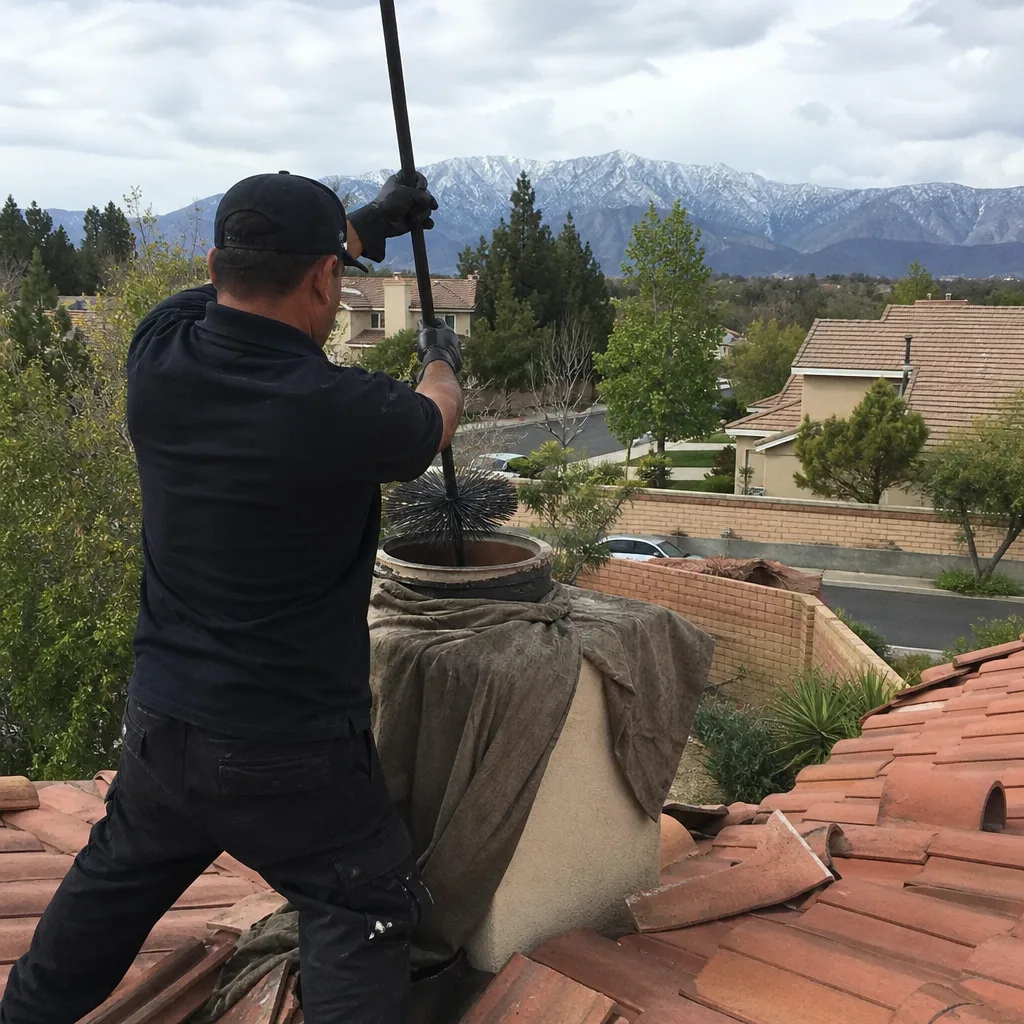
NFPA 211 Level 2 inspection on arrival. Corrine or a named, background-checked technician runs a camera down the full flue length. We record video and stills of every joint, offset, and transition. You watch the live feed if you want.
- 3
Written scope and price before any work. We identify whether your repair needs OEM HeatShield materials or if a quality aftermarket solution (DuraFlex, Gelco) is more appropriate for the failure mode. The written price includes parts, labor, and the 365-Day Done Right Promise. No work starts until you have both documents in hand - Haven Standard Clause 1.
- 4
Repair execution. For Cerfractory Foam work, we mask the firebox, set negative air containment, and apply to specified thickness. For liner replacements, we pull the new continuous liner and make top and bottom terminations. For crown work, we form and pour, then cure per manufacturer data sheets.
- 5
Post-repair verification. Camera pull to document the finished condition. Smoke test or draft measurement as appropriate. Photos and video go into your permanent record - Haven Standard Clause 4, our practice since 2009.
- 6
Cleanup, walkthrough, and documentation. We take about ten minutes to walk through the findings out loud, no rush. You leave with written warranty, photo record access, and our direct line.
BeforeAfterWhat HeatShield Chimney Repair Costs in Rancho Cucamonga
| Repair Type | Typical Range | What Moves the Price |
|---|---|---|
| Cerfractory Foam spot repair (localized crack, <4 sq ft) | $1,200 - $1,800 | Height of damage, scaffolding needed, accessibility from roof pitch |
| Cerfractory Foam full liner resurfacing | $2,800 - $4,200 | Flue diameter (8″ vs 10″-12″), number of offsets, smoke chamber access |
| Joint Repair removal + stainless liner replacement (DuraFlex/Gelco) | $3,500 - $5,500 | Chimney height, liner diameter, need for new top plate or rain cap |
| CrownSeal strip + refractory concrete crown rebuild | $1,800 - $3,200 | Crown footprint, need for chimney cap replacement, flashing condition |
| Smoke Chamber Seal removal + compatible re-application | $1,400 - $2,400 | Chamber volume, presence of corbelled brick, need for throat damper modification |
These are 2024-2025 Rancho Cucamonga market ranges for independent HeatShield service using materials procured through our Haven buying network. We don’t mark up parts to hide labor, and we don’t quote low to get in the door. The price on paper is the price you pay. Call (909) 430-9243 for a free estimate - we run the camera first, so the number we give you is based on what your flue actually needs.
Why Rancho Cucamonga Homeowners Call Emberly Chimney Cleaners Rancho Cucamonga for HeatShield Work
We’ve inspected and cleaned more than 38,000 chimneys since 2009, and a growing share of our Rancho Cucamonga calls involve HeatShield products installed during the mid-2010s relining boom. Corrine Halstead and our crew know the difference between a Cerfractory Foam liner that can be patched and one that’s reached end of life. We’re not a HeatShield dealer - we’re an independent service provider who sources OEM materials when they’re the right fix, and specifies DuraFlex or Gelco when they’re not.
Every technician is background-checked, uniformed, and named before arrival. You get a text when we’re on the way. The license number is on this page and on every truck. Our 365-Day Done Right Promise means if the repair fails, we make it right. And Haven Standard Clause 4 - the documented photo record on every visit - has been our practice since before most competitors owned a camera.
FAQs
No, if the repair is performed using HeatShield-specified materials and methods. As an independent HeatShield service provider, we use OEM Cerfractory Foam, Joint Repair, and CrownSeal compounds purchased through authorized distribution channels. The warranty covers material defects, not installation errors - which is why we document every step. If your liner fails due to a product defect, our photo record supports your warranty claim. Call (909) 430-9243 and we’ll review your installation date and product line.
A properly applied Cerfractory Foam repair typically lasts 15-20 years in Rancho Cucamonga’s dry climate, assuming normal wood-burning use and annual inspection. The Inland Empire’s low humidity and minimal freeze-thaw cycling actually extends service life compared to coastal or mountain installations. We see premature failure only when the original application was too thin, the surface prep was inadequate, or the fireplace was converted to a higher-BTU appliance without resizing the liner. Our repairs are applied to 5/8-inch thickness with verified bond - documented in your Clause 4 record.
We stock Cerfractory Foam, Joint Repair, and CrownSeal compounds at our Rancho Cucamonga facility for same-week scheduling on standard repairs. Custom liner diameters or large-volume resurfacing jobs may require a 5-7 day material order. We never start work until materials are on hand, so your downtime is limited to the repair itself - typically one day. If parts availability is a concern, we’ll discuss DuraFlex or Gelco alternatives that may ship faster and perform better for your specific failure mode.
The camera decides, not us. We look for three conditions: delamination (the liner lifts from the substrate in sheets), through-cracking that exposes the clay tile beneath, and thinning below 3/8-inch at any point. Spot delamination under 10% of flue area gets a local repair. Through-cracking exceeding 15% of flue length, or thinning below minimum, means the liner has reached end of life and we recommend a continuous stainless replacement. We show you the footage and explain which condition we found before quoting either option. Call (909) 430-9243 to schedule the inspection.
A compromised HeatShield liner loses its listed clearance to combustibles, which means heat transfer to surrounding framing increases. In Rancho Cucamonga’s older neighborhoods with 2×4 wall construction and minimal insulation, this creates a measurable chimney fire risk. Carbon monoxide leakage through cracked CrownSeal or failed Joint Repair is the less visible hazard - odorless, and detectable only with a working CO detector. We don’t use scare tactics: if the camera shows damage that can wait a season, we’ll say so in writing. But we won’t sign off on a dangerous flue just to avoid an uncomfortable conversation.
Written by Corrine Halstead, Owner, Emberly Chimney Cleaners Rancho Cucamonga at Emberly Chimney Cleaners Rancho Cucamonga, serving Rancho Cucamonga and nearby areas.